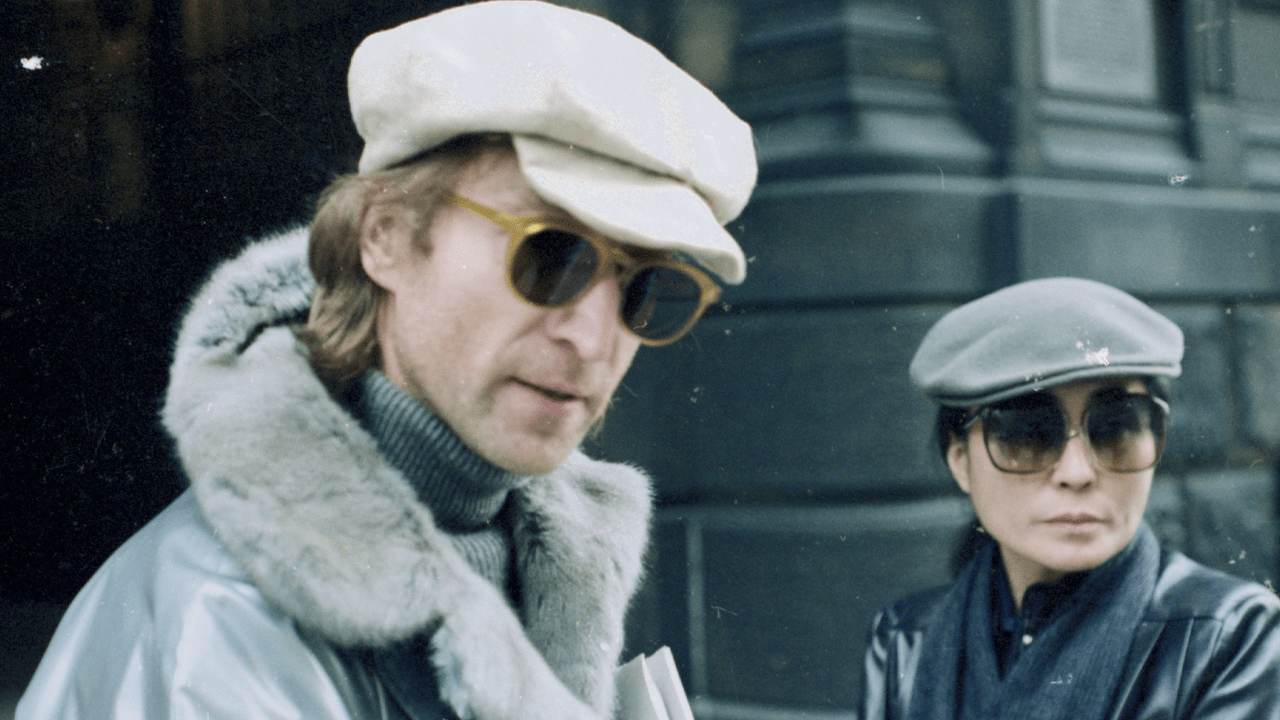
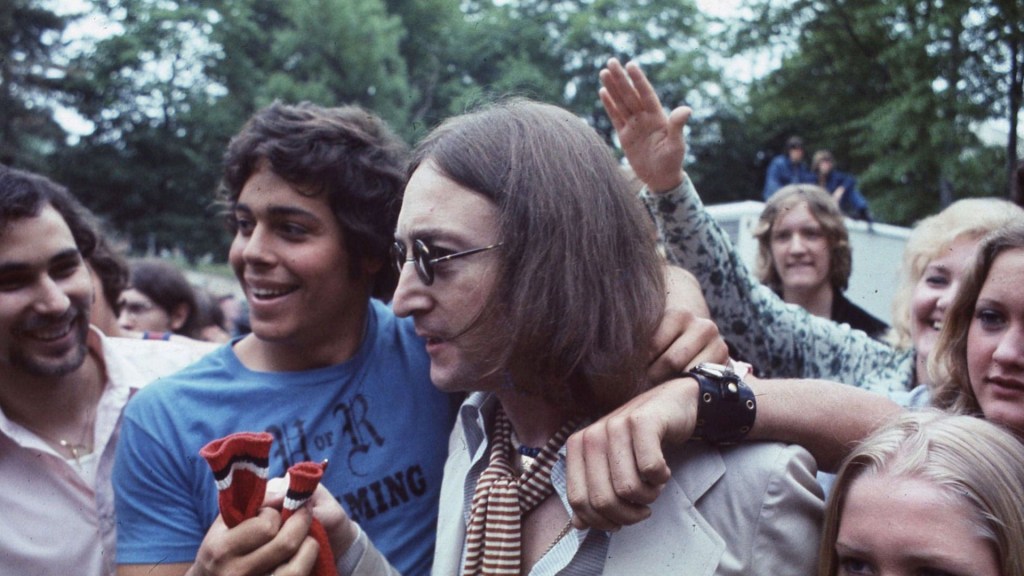
A documentary film piecing together the last decade of John Lennon’s life provides a look back at the events leading up to the fateful day in December 1980 when one of the UK’s most famous musicians was murdered outside the Dakota his adopted second home in New York.
Directed by Alan G Parker, a music documentarian known for Never Mind the Sex Pistols as well as It Was Fifty Years Ago Today…Sgt PepperandBeyond, Parker pulls together the story through interviews with the musicians and journalists around John Lennon at the time when making what would be his last album Double Fantasy with his wife, Yoko Ono.
The documentary starts off with the lead up to his new tour which was going to take place after a five year hiatus, at the age 40 years old. There’s a general air of surprise from the tour manager, musicians and journalists who get the call to work on the album, which is maybe an inference of a fall from grace but there is also an unbelievable gratitude to get the honour to work with John Lennon. The album gets finished and the media interviews wrap up and everybody goes home on that December evening, then news starts to filter in early the next morning…
Of course the documentary journeys back further than a decade to pick out the people and events in his life that quickly reshapes our knowledge and understanding of who John Lennon was, but in the context of an agent provocateur, starting with archive footage of him defending his infamous simile about the popularity of the Beatles, the band of four working class lads from Liverpool, attracting the world’s attention in what was termed ‘Beatlemania’. Then it moves onto his relationship and marriage with Yoko Ono, the Japanese artist who captured his love with her eccentric artistic sensibilities that was epitomised by their famous naked Love In at their apartment, where they invited in the press to spread an anti war message of peace and love for which his name and music became synonymous with.
The interviews Alan G Parker pulls together have an interesting journalistic bias but are not without input from the musicians and the music producers that were also around John Lennon at the time providing a valid weight of credibility and include some incredulous revelations as well as some curious anecdotes that will nonetheless have fans and critics mulling over for hours, such as the broadcast news journalist on the Emergency ward of the hospital at the time of John’s arrival who could not help but breach his journalistic ethics.
The opening credits show a bold ambition that perhaps lack a final finesse, which would be a harsh appraisal of the documentary overall as its genuineness in the serious subject matter and the closeness to the final moments it takes the audience makes it avid viewing even at an extended run time of 2 hours 20 minutes.
Timely and poignant as ever the end story doc of an inevitable iconic musical great.
Opening in UK cinemas from 2nd May with an exclusive Director’s Cut available on the Icon Film Channel from the same day.
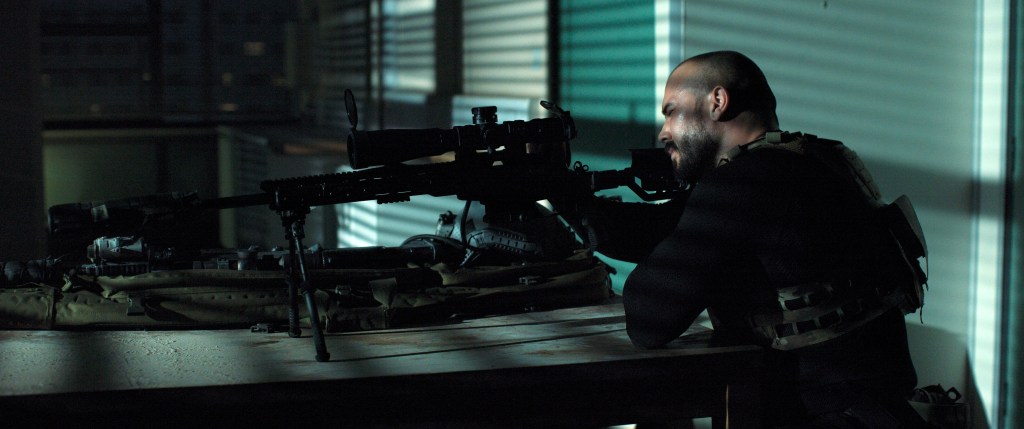
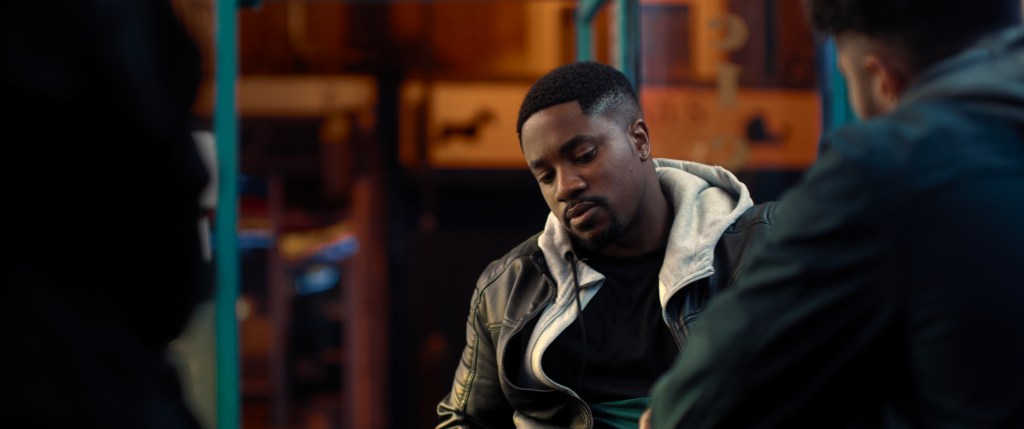
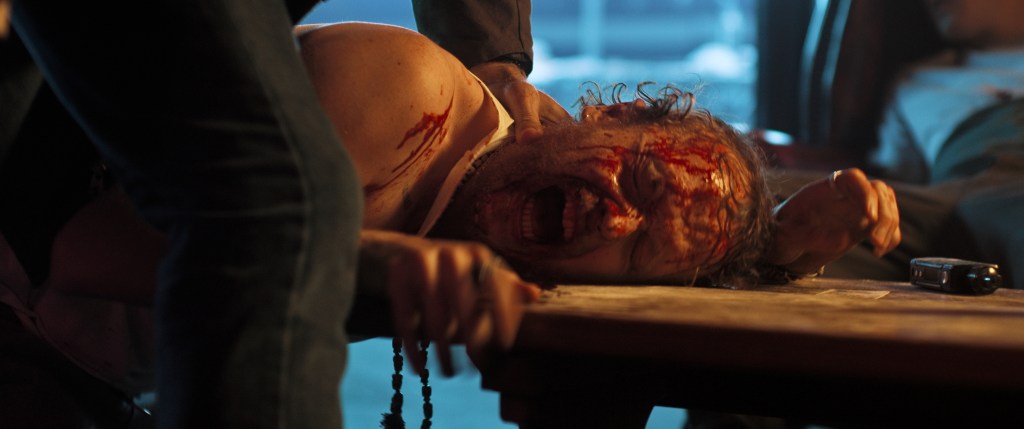
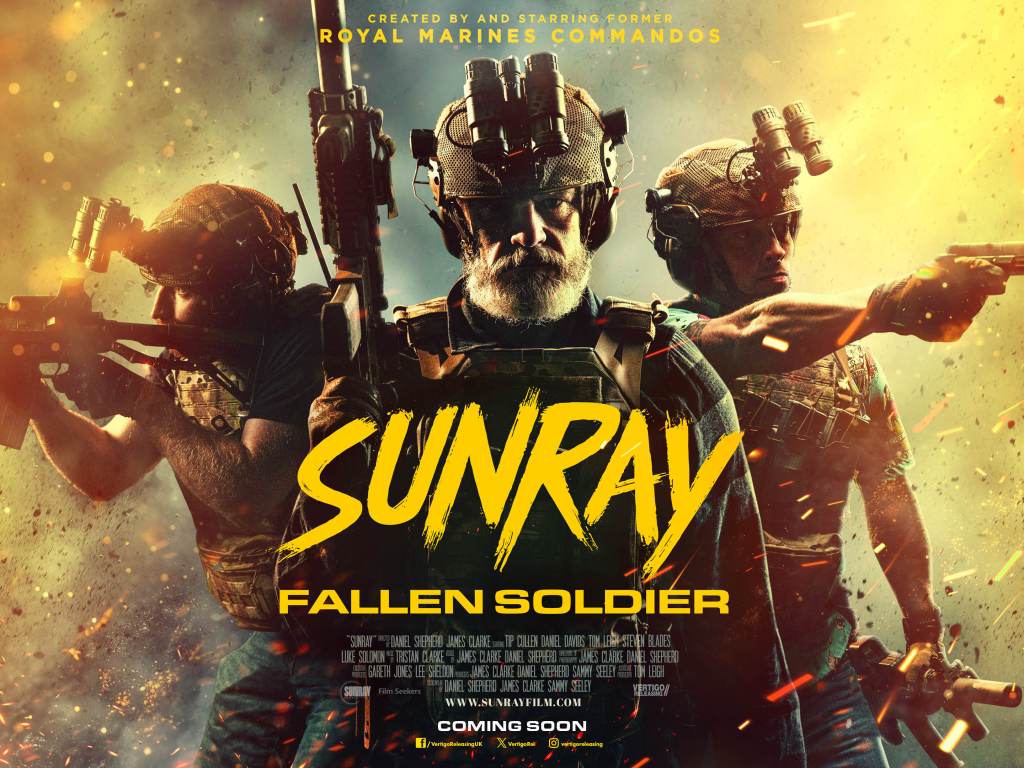
Sunray: Fallen Soldier is a film about an army veteran who goes out to get revenge on the drug syndicate behind the death of his daughter from a drug overdose, going on a vigilante killing spree with a little help from his old colleagues. Available on digital platforms and selected UK cinemas from 24th January 2025. Rated 18.
The film jumps straight into the action starting off with a pickup at a drug’s factory. A van is loaded with melons, containing ‘the product’, by four wise cracking geezers whose banter is brought to an abrupt end after hearing some commotion inside and a sudden sniper shot taking the first one out. The annihilation is then all but complete except for one, who gets a brief interrogation by ‘Echo 1’ Andy (Tip Cullen), that leaves the burning question “Where is he?” and a large body count.
We then jump back nine days to find out what started all of this and to discover who Andy is if not an officially retired army veteran who still has close ties with his old pals. He’s divorced, living in a remote trailer, working a routine job in a hardware store and sees a therapist about his wartime traumas. His ex-wife (Karlina Grace-Paseda) is struggling with looking after their teenage daughter (Saskia Rose), worried about the boys she hangs out with and who’s not willing to take any relationship guidance from her. When the boyfriend (Daniel Davids) comes to pick her up his dealings in a little weed turn out to be a lot more than that ***spoiler alert*** as his father (Kevin Golding) runs the drug syndicate.
Written, directed and featuring former British Royal Marine Commandos the film has plenty of contact sequences that are in keeping with any Rambo movie but with a slightly more restrained tableaux, as a continuous stream of targets are disposed of with brutal efficiency – Andy’s nail gun rampage is the heartbreaking response of a bereaved father that is delivered with quiet indignation. Clearly not over his war experiences there are many flashbacks which he and his colleagues live through that require Sledge’s (Luke Solomon) blunt humour to lift the melancholic gloom.
Whilst the film’s plot and character storylines lack polish there’s no doubting when the speaking stops and the action begins you start to pay close attention. But in a strange way knowing the actors were soldiers kind of seems like cheating, after all they have a bit of an advantage over real actors when it comes to the shooting sequences.
SUNRAY: FALLEN SOLDIER is available on digital platforms and in select cinemas across the UK and North America from January 24th 2025. Available to pre-order in the UK HERE and USA HERE
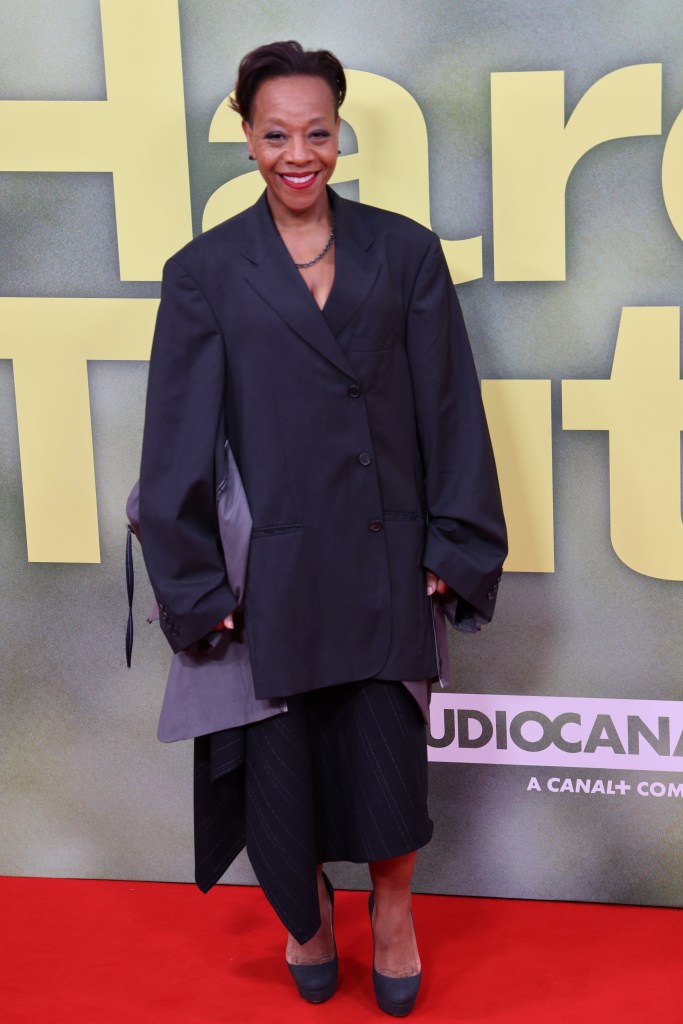
Pansy (Marianne Jean_Baptiste) is at odds with the world and is taking it out on her nearest and dearest in Mike Leigh’s latest social realism film about contemporary London family life. Shot in North West London, it is a domestic tragicomedy that’s bound to be a heartwarming tear jerker from the maestro director of improvisation.
In UK cinemas from 31st January 2025.
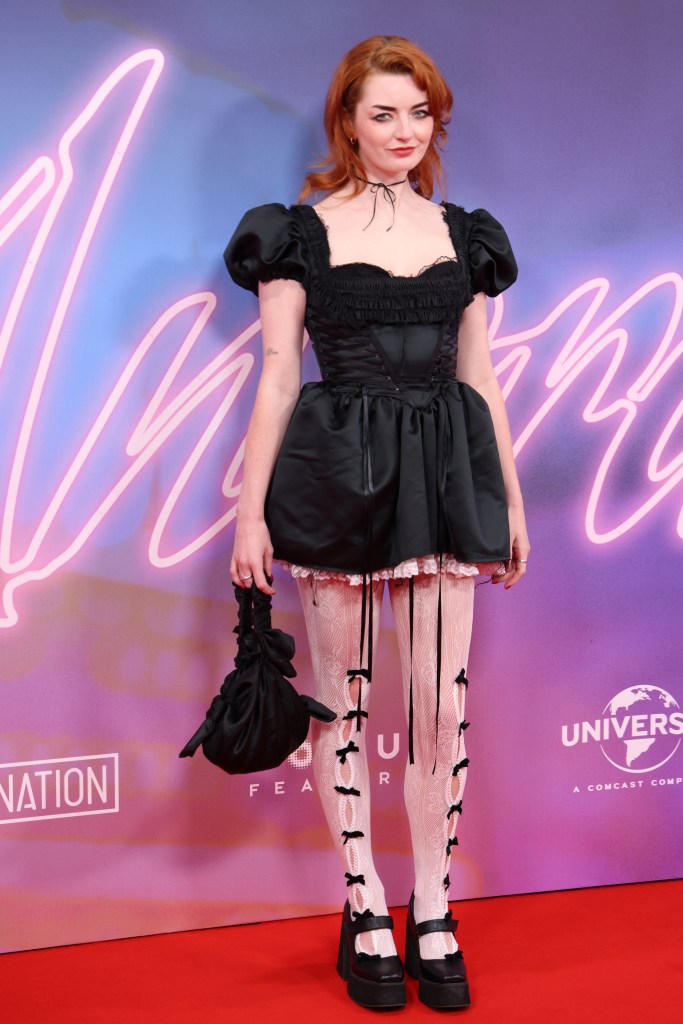
BFI London Film Festival / Photographer: JG
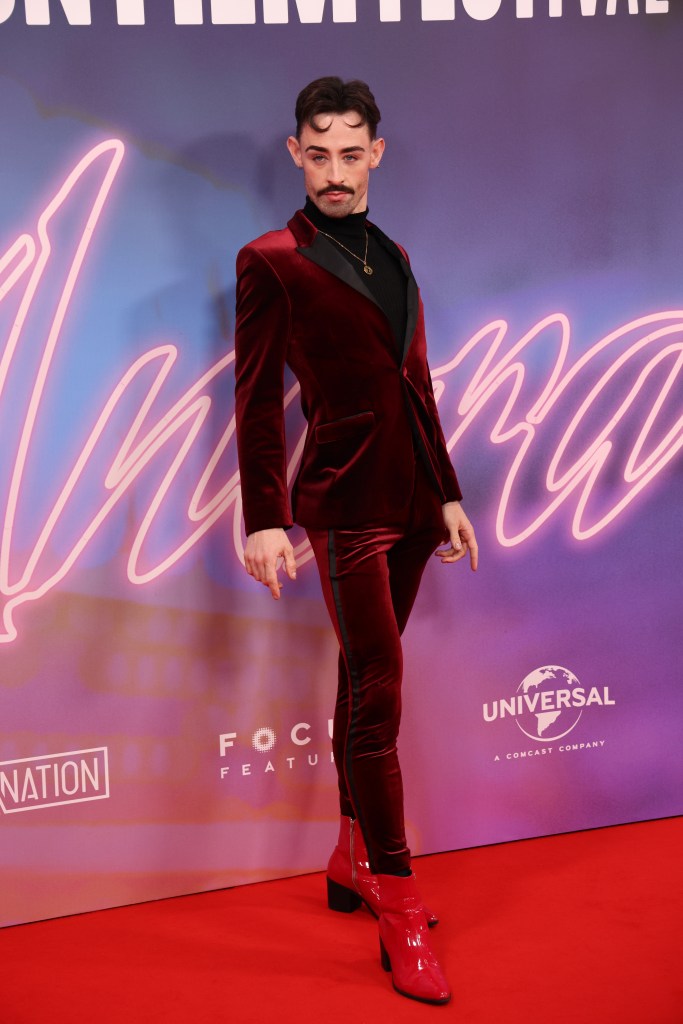
BFI London Film Festival / Photographer: JG
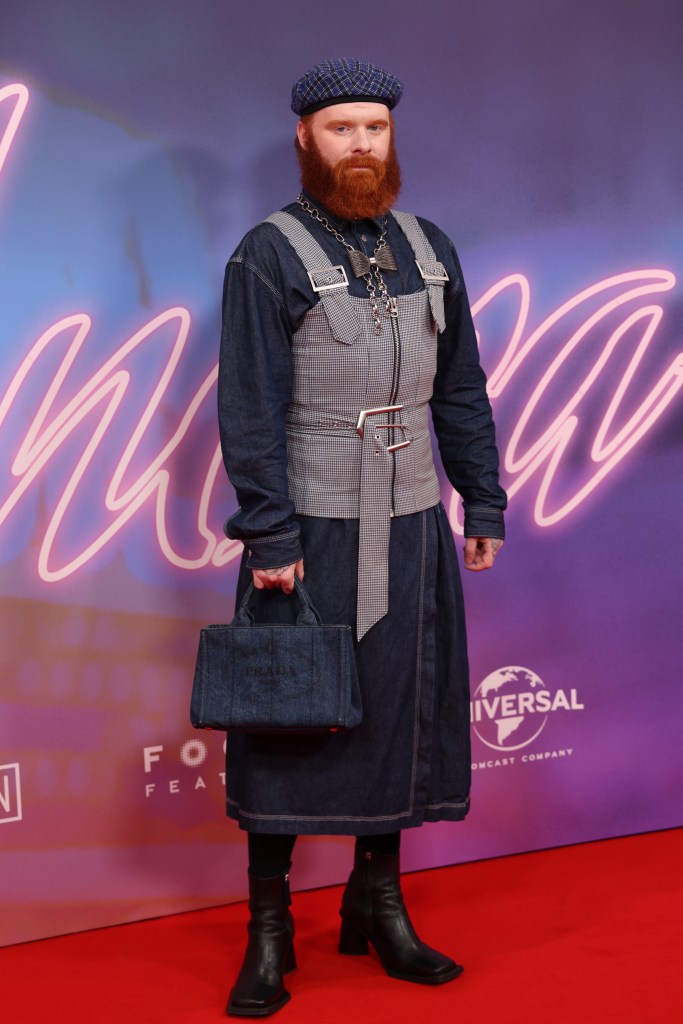
BFI London Film Festival / Photographer: JG
BFI London Film Festival / Photographer: JGBFI London Film Festival / Photographer: JG
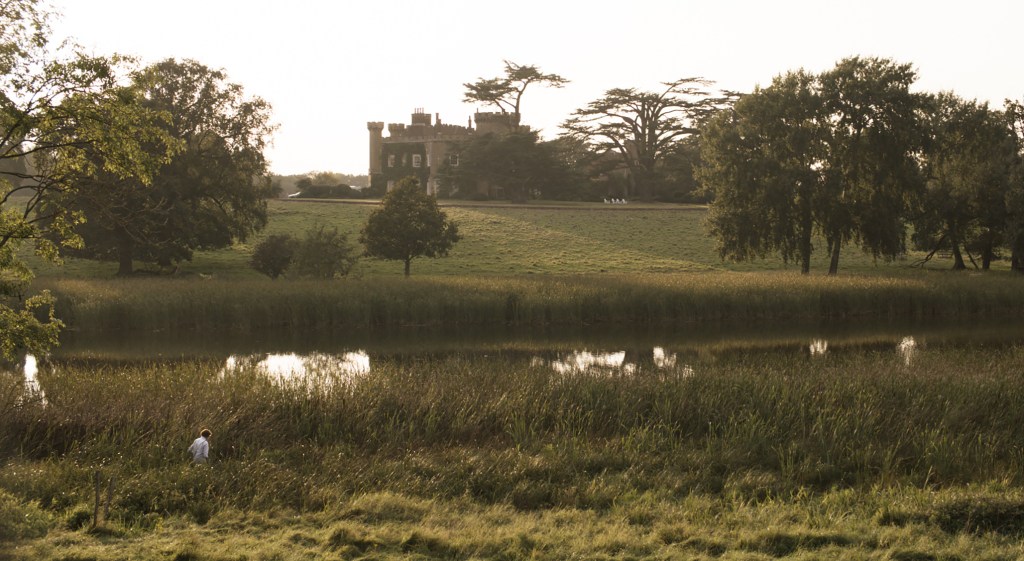
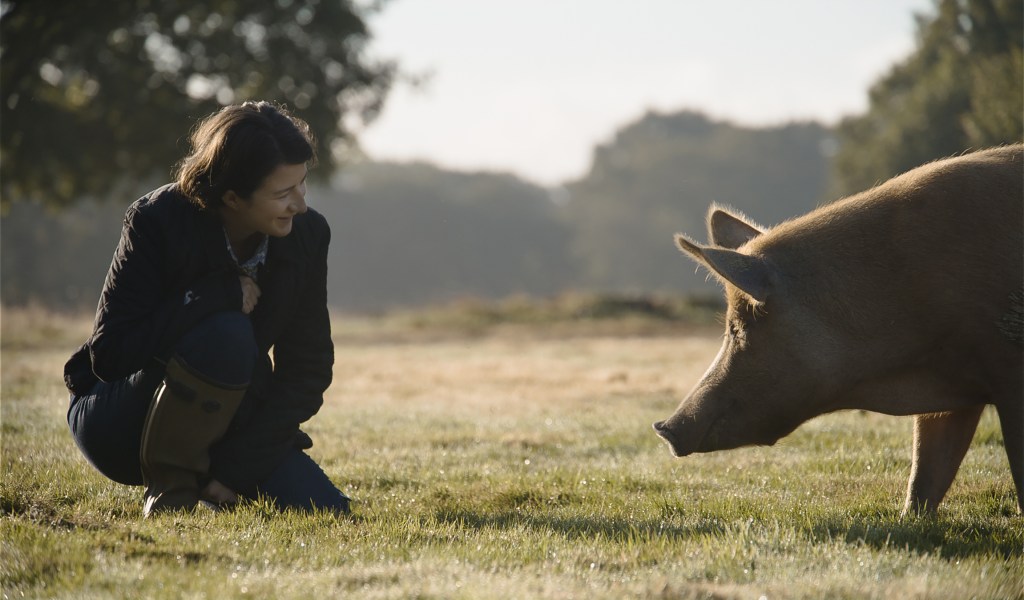
Based on the best seller The Book of Wilding, this is the story of Knepp Castle’s 400 year old estate in the south-east of England, which sees a farming family seek an unprecedented departure from its agricultural and dairy tradition to a rewilding project of the land never seen before in the UK. Available on Blu-ray and DVD, Wilding was the highest grossing documentary of 2024.
Charlie Burrell and Isabella Tree were brought up on the farmland of Knepp Castle and understand the significance and pride of its farming history but as Charlie inherits the estate he knows there are major problems working the land. Notoriously difficult to farm, the land is drenched in fertilising fungicides and herbicides, which have all but destroyed the soil, but instead of ploughing on with things, Charlie decides to listen to some of the expert advice he has sort and do something about it.
He spoke with experts like Tom Green, an oak tree specialist and an advocate for mycorrhiza’s – the symbiotic relationship between fungus and plants in the soil. Charlie knew he needed to do something to give nature a helping hand and his questions led him to Dr Frans Vera, whose nature reserve project in the Dutch polder lands of Oostvaardersplassen, had used the rewilding of animals to return nature back to its most primitive and effective state. Rather than battle against nature, Charlie needed to use the natural force of the animals’ footprints and behaviour to bring the fields back to life, in what had become an all but barren landscape. So, the farm equipment went up for sale, the fences came down and in their place came the wild horses, cattle, deer and pigs to run free on the land.
Isabella and Charlie recount the incredible transformations they witnessed, which wasn’t without struggle and opposition. Some highlights include the wild ponies taking on the thoroughbred horses at polo and the Tamworth pigs helping themselves in the marquee dining tent. It was interesting to see Charlie’s new role evolve from farmer to Darwinesque entomological classifier of species as they discovered the arrival of almost extinct animals and insects like the turtle dove and the rare Purple Emperor butterfly. The scale of the project, over 5 square miles, included the river, which they wanted to bring back to its natural meandering best too. Using machinery it would be 10 years in the making with the conservationist planning permission necessary. Expert Derek Bow said a beaver could do it in 6 months. In the end the beaver licence took 8 years, but by the emotion on Isabella’s face it was worth the wait.
The project wasn’t without opposition with people calling it pointless, it didn’t feed any mouths, they’d be wild boars running on the M25 or it spoilt the well groomed landscape of the British countryside. It did capture a corner of the nation’s heart though. This reconnection with nature, as seen during the pandemic, is something everyone benefits from but just how important the arrival of 19 new species of earthworms is likely never to be known.
The documentary is nostalgically put together with interviews over a period of time from Isabella and Charlie looking back at the journey they’ve been on. Reenactments are slotted in to fill in any gaps and aerial shots and time lapse filming show the transformation of the land.
There’s nothing wild about this documentary, but just a gentle reminder of the incredible capability of nature’s natural inter connectivity and our need to manage it as effectively as possible.
Julian Gaskell @ thelanguageoffilm.com
Film: Wilding
Director: David Allen
Genre: Documentary
Stars: Matthew Collyer, Rhiannon Neads, Isabella Tree & Jon Wennington
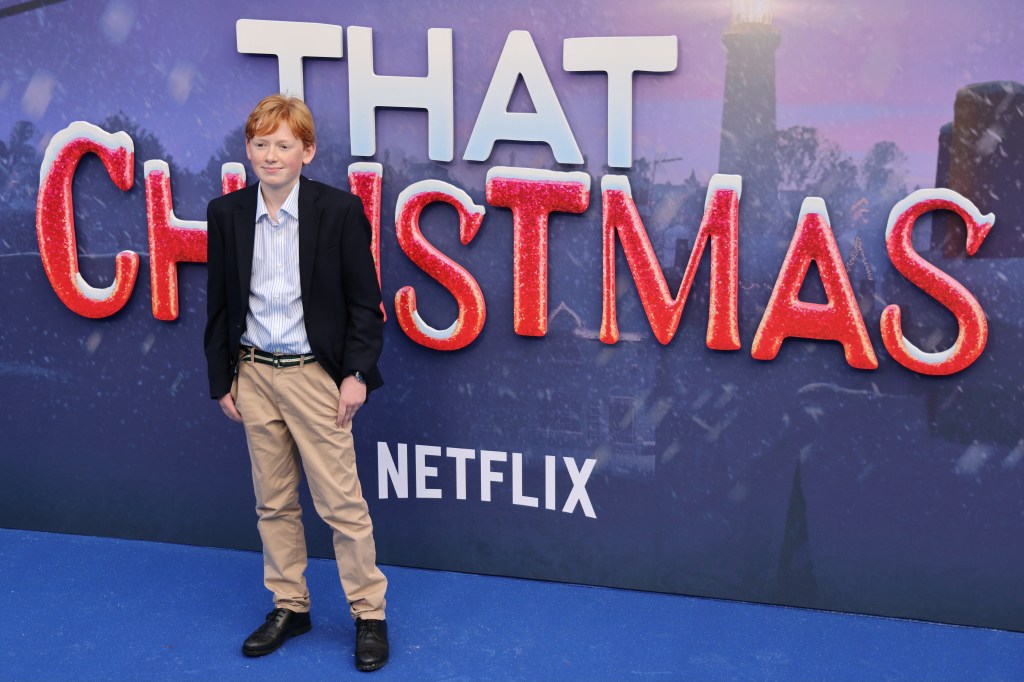
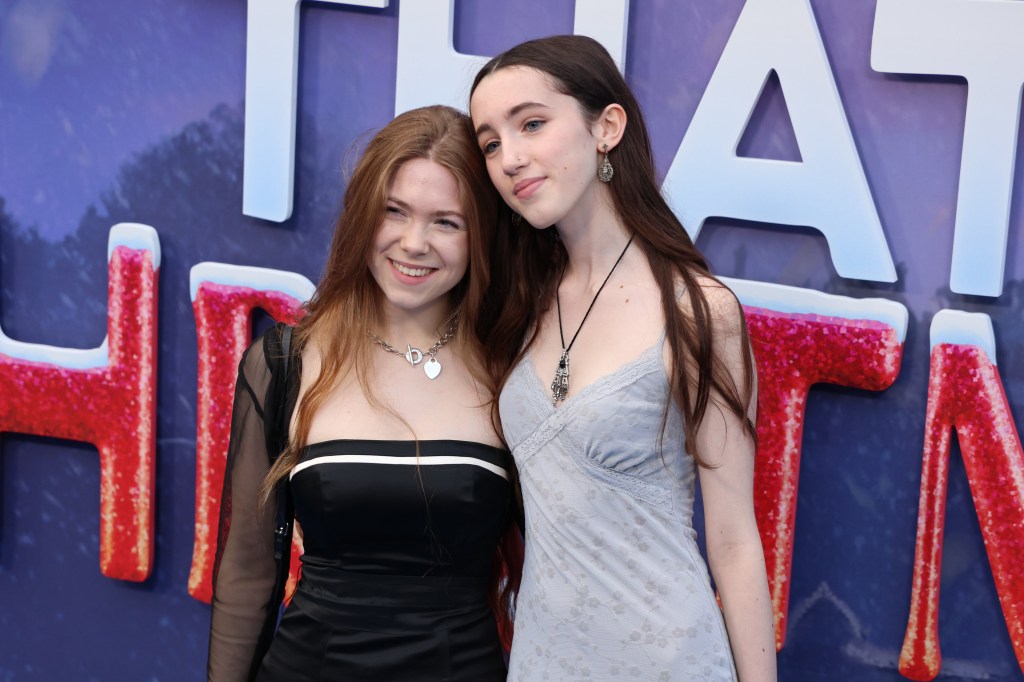
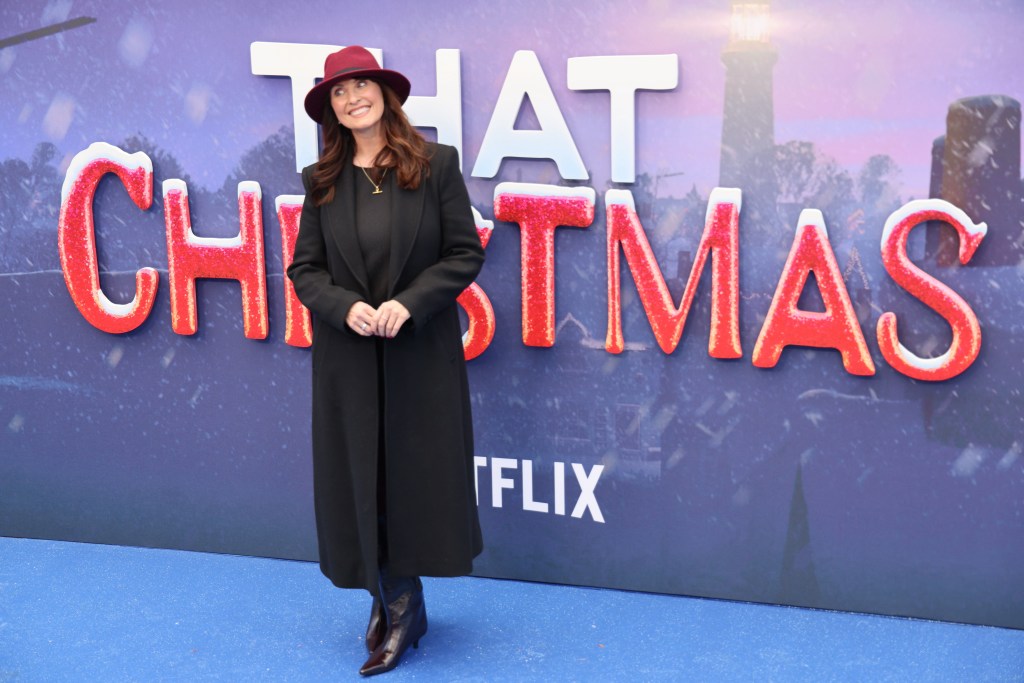
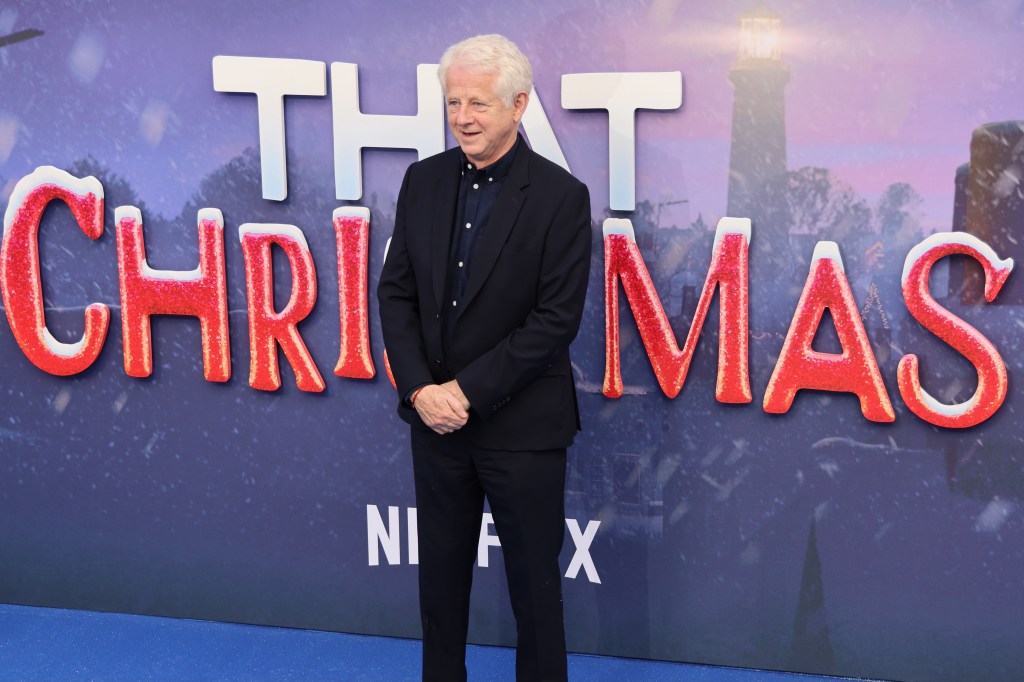
Written by Richard Curtis and featuring some familiar voices including Brian Cox, Bill Nighy and Fiona Shaw supporting a cast of children, this is a Christmas animation with a family community message about a small UK seaside town and its inhabitants’ yuletide capers.
Now available to watch on Netflix. Rated PG.
BFI London Film Festival / Photographer: JGBFI London Film Festival / Photographer: JGBFI London Film Festival / Photographer: JGBFI London Film Festival / Photographer: JGBFI London Film Festival / Photographer: JGBFI London Film Festival / Photographer: JGBFI London Film Festival / Photographer: JGBFI London Film Festival / Photographer: JGBFI London Film Festival / Photographer: JG
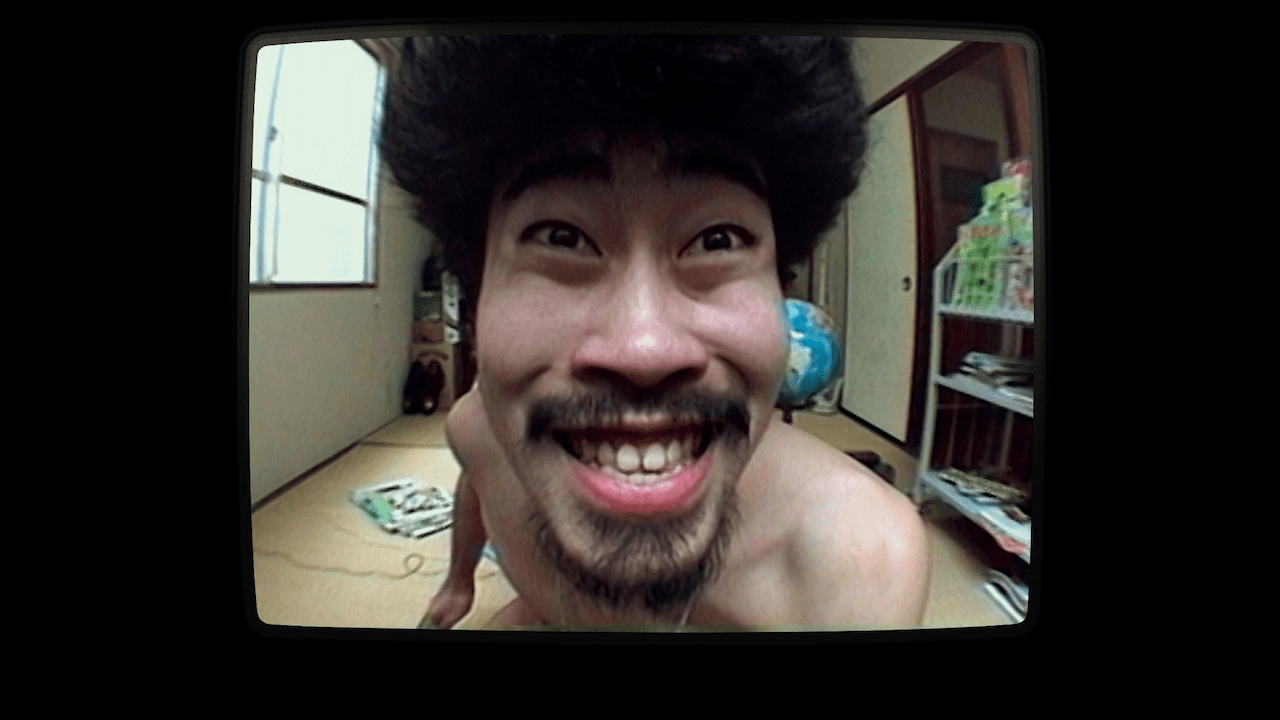
A Japanese reality TV star is left naked in a room for more than a year tasked with filling out magazine competitions to earn food and clothing to survive. The Contestant will be hitting UK cinemas nationwide from 29th November.
Japanese TV is renown for its game shows where contestants have to do bizarre and crazy things usually with a masochistic tendency that have pushed the boundaries of TV and taste long before the well known reality shows of Big Brother and I’m a Celebrity, which have taken over television schedules.
The Contestant is the story of one such pioneering show that just about takes the biscuit. The leading Japanese TV show at the time was Denpa Shonen and their new show A Life in Prizes, made back in January 1988, was their next hit from revered producer Toshio Tsuchiya with its catch line, “for the first time in human history a man will attempt to live on prize competitions alone.”
The auditions see the ‘lucky contestant’ Nasubi pick out the winning raffle ticket and, with all the endearing mannerisms of a very happy Japanese man on TV, Nasubi joyfully remarks, “I must have used up a lifetime of luck”, to which the producer eerily replies, “you’ve just used it all up.” Producer Toshio Tsuchiya, a self proclaimed devil of TV, who even the editors send up by playing Darth Vader music when he appears on screen, knows Nasubi is in for a rough ride.
He is swiftly whisked away to a secret location (an apartment in Tokyo) and on entering the apartment he is told to strip naked. Somewhat reluctant, he is reassured that barely any of the footage would be seen and duly undresses, tentatively querying, “It’s not right?” Out of the 24 hours of daily footage only several minutes will be used for broadcast, so it wasn’t a complete lie.
And it isn’t right. He’s left in a room naked with only a table, a telephone, a rack of magazines, a pen and a stack of postcards plus a cushion which he can either sit on or use to cover his modesty – for over a year. No clothes, no food he’s soon under no illusion that he has to win prizes to survive. He’s not even sure whether he’s even on TV or at least has no idea that he is being watched by the shows 30 million viewers; whilst his parents’ last words ring in his ears after he left his home town of Fukushima – “Just don’t get naked.”
He soon embraces his nakedness in his apartment and plays up to the camera with such comedic humanistic qualities the audiences and the producers are loving him. Unfortunately for him, in his first 963 applications he wins nothing, so when he wins some dog food he inevitably eats it…the dog biscuits are so good he starts woofing to the camera in joy because they are more appetising than anything else he’s won.
Other firsts include having to cover up his genitalia with something on screen for broadcast censorship. Now synomonous with a p***s in text parlance, an aubergine is used because his name means egg plant.
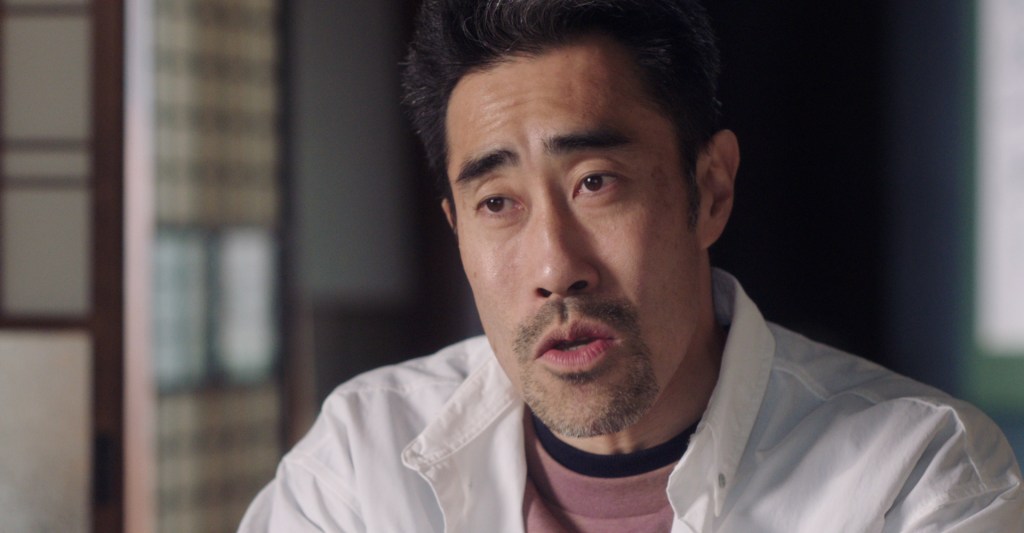
It’s easy to get carried away with laughing at someone else’s predicament but the off camera interviews show a darker side to the entertainment because of the psychological impact on the individual, and the family and friends, all in the name of entertainment. Manipulating a wannabe comedian and actor who is willing to do anything for fame and success, it’s a twisted TV social experiment that really goes too far. But of course the more extreme suffering the contestant endures the more audiences want to watch and the more the producer wants to push things further.
The Contestant is a fascinating documentary about the early forays into reality TV in Japan that would change the TV landscape. Watching Nasubi’s path to stardom showed what he was prepared to endure and despite all the loving ridicule the turn of events that followed show a surprising story of human strength and courage on a grand scale.
Julian Gaskell @ thelanguageoffilm.com
Film: The Contestant
Director: Clair Titley
Genre: Documentary
Stars: Tomoaki Hamatsu, Jason Her, Toshio Tsuchiya
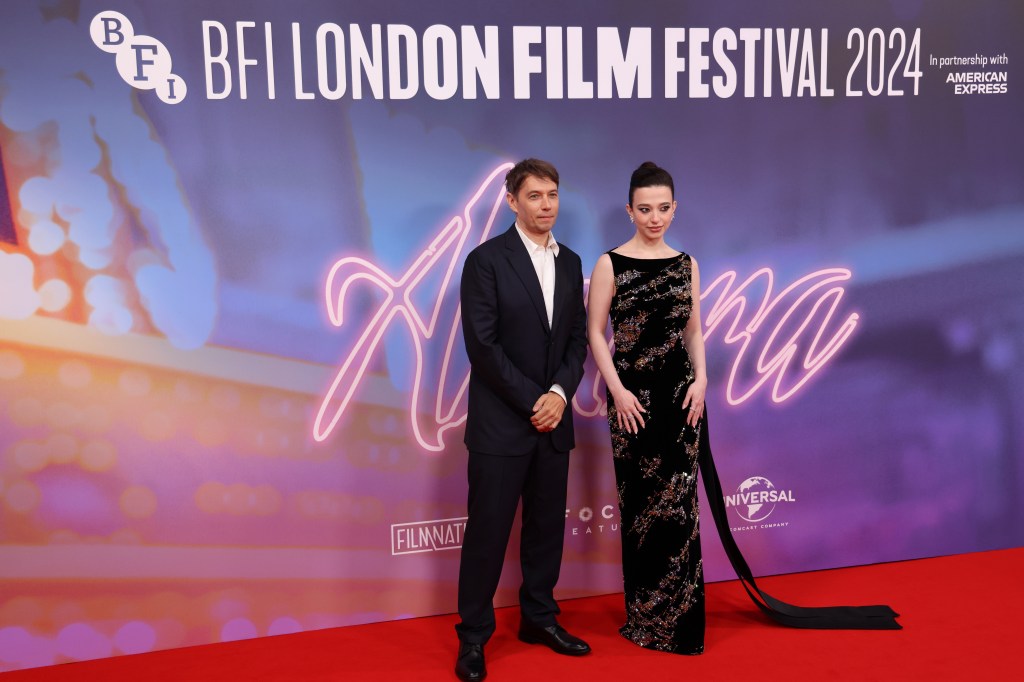
Filmmaker Sean Baker (Tangerine) brings an alternative take on the Cinderella story in Anora. This Palm D’Or winner features a breaking star performance from Mikey Madison. Now in cinemas, rated 18.
The Room Next Door is Pedro Almodóvar’s Venice Film Festival winning direction starring Tilda Swinton and Julianne Moore. Adapted from the book What Are You Going Through it’s Pedro Almodóvar’s first film written in English. Now showing in UK cinemas.
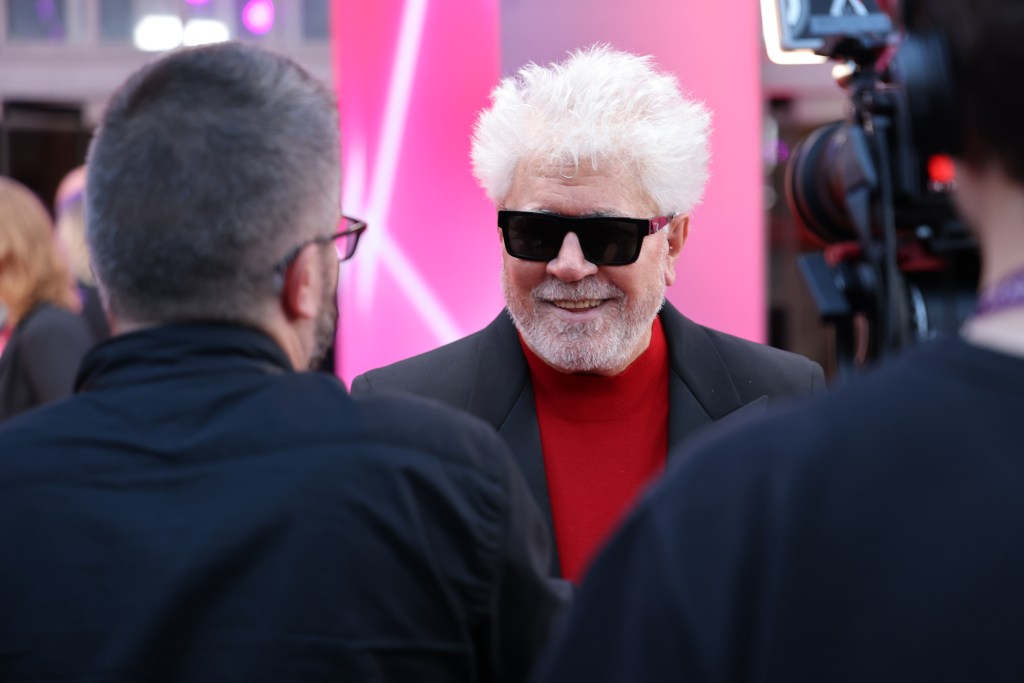
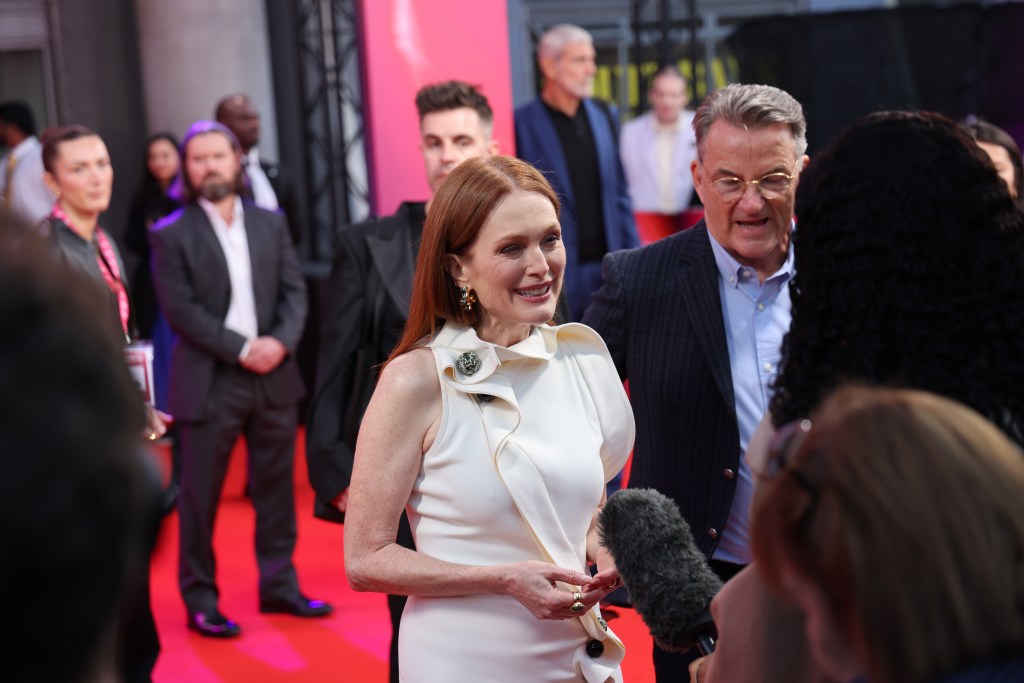
BFI London Film Festival / Photographer: JG
BFI London Film Festival / Photographer: JGBFI London Film Festival / Photographer: JG
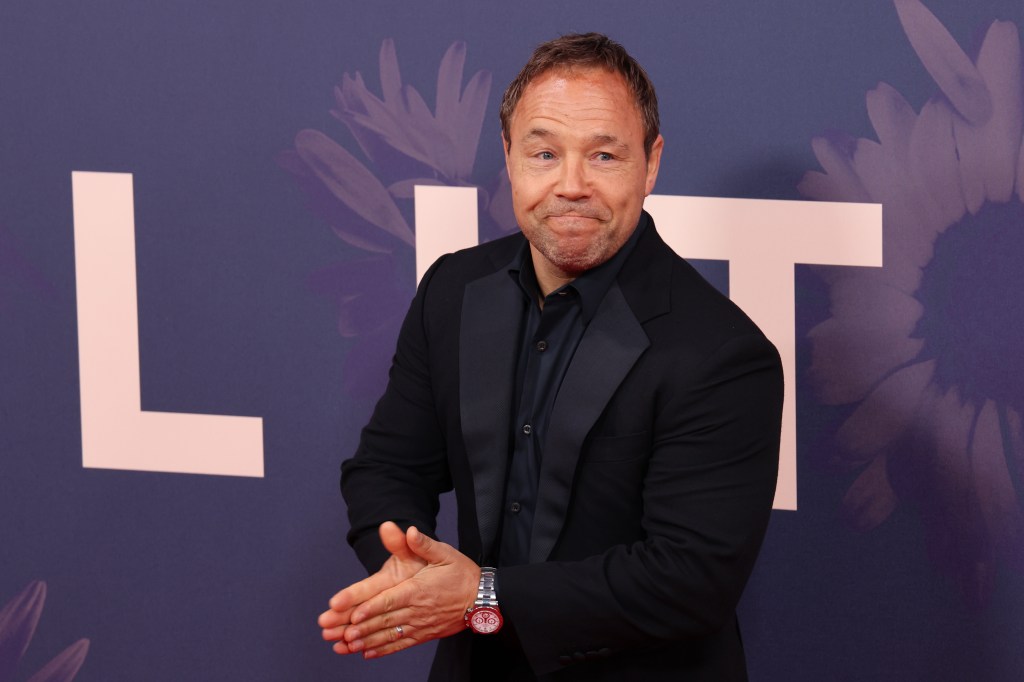
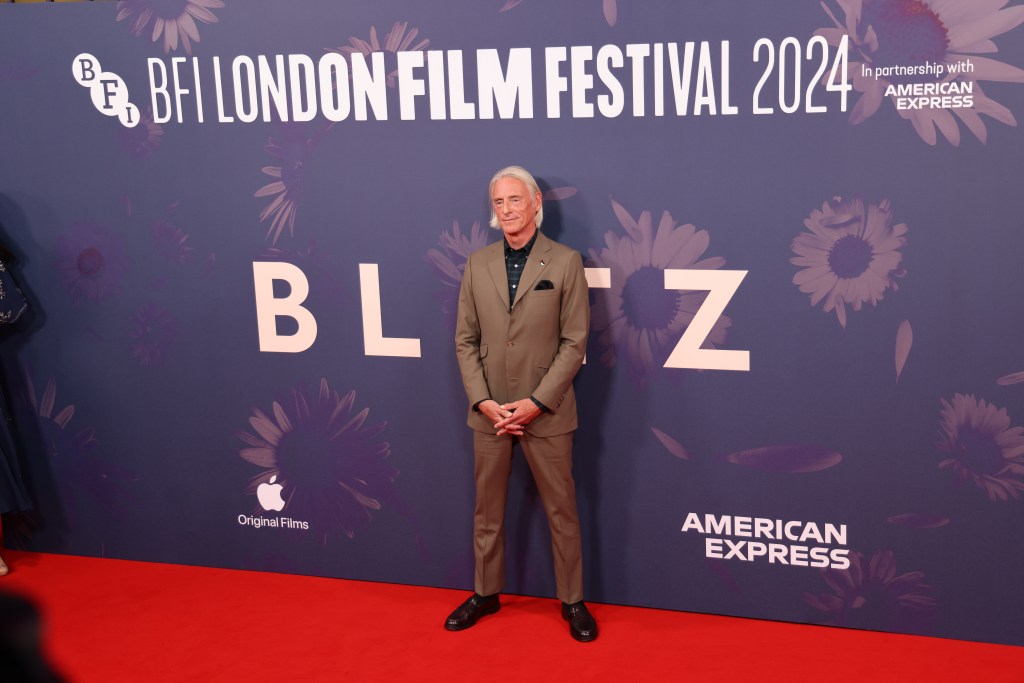
The opening Gala night of the BFI London Film Festival got off to an epic start with Steve McQueen’s Blitz, the story of the World War II bombings of London told through the eyes of a young boy. The film features an eclectic ensemble of stars including Saoirse Ronan, Stephen Graham, Kathy Burke, Harris Dickinson, Benjamin Clémentine, Paul Weller and a fledgling starring debut from Elliott Heffernan. In UK cinemas from 1 November and on Apple TV+ from 22 November 2024.
BFI London Film Festival / Photographer: JG
BFI London Film Festival / Photographer: JGBFI London Film Festival / Photographer: JGBFI London Film Festival / Photographer: JG
Part of the spring season programme at the BFI O Dreamland! Lindsay Anderson’s Dark British Cinema is dedicated to the unflinching director and influential film critic whose ground breaking work is told through his shorts, documentaries, features and televised theatre that continues to reverberate through British film today.
Interview with the BFI Curators James Bell and William Fowler
Speaking with the programme’s curators James Bell and William Fowler they gave their thoughts on the significance of a British director, who has possibly had more of an influence on British film than people give credit, in a career spanning 45 years from 1948 to 1993.
James Bell: “I’m the senior curator of fiction at the BFI, which means looking after the archives collection of fiction titles, primarily British, but the archive is truly international.
Before I joined the curatorial team here at the BFI I worked for years at Sight and Sound, I was working as an editor there involved in publishing and criticism, and of course Lindsay Anderson wrote for Sight and Sound famously. Some very famous articles. Most famous ‘Stand Up Stand Up’ where he took British cinema and British criticism to task for being parochial, lazy and treating film as mere mass entertainment not art and other things.
I’ve got that background as well, that’s why I find Lindsay Anderson a fascinating figure because he’s a filmmaker, but he’s a filmmaker who emerged through criticism and that critical engagement with film culture and he was always nothing if not opinionated. As well, what makes him fascinating there’s all the film work running alongside that. There is a commentary that he offers us from the writing he did for different magazines.
He started writing ‘Sequence’ which he co-founded with Gavin Lambert and Peter Ericsson when he was in Oxford in the late 40s. This was a really pioneering film magazine, that almost for the first time in Britain took film seriously and inspired Sight and Sound to change and become more engaged in that culture.
William Fowler: “My professional specialism is on artists and experimental films and trying to understand what that means in the context of the BFI national archive. My personal interests, which I’ve been able to incorporate into that is around independent film, alternative film culture, and counter culture; and how they relate to cinema. Myself and Vic Pratt set up and programmed the Flipside strand which was first at BFI Southbank and I feel that relates to something of what Lindsay Anderson has done.
What interests me is that he is an alternative independent filmmaker. There are these thorny, tricky subjects and tonal approaches to think about when you look at his work, yet at the same time he was a successful filmmaker and a well-known filmmaker if you know about historic cinema. He also worked with major American studios. So he’s quite an interesting figure in British cinema.”
Why a programme on Lindsay Anderson now?
WF: “Most crudely it was his centenary last year of when he was born.
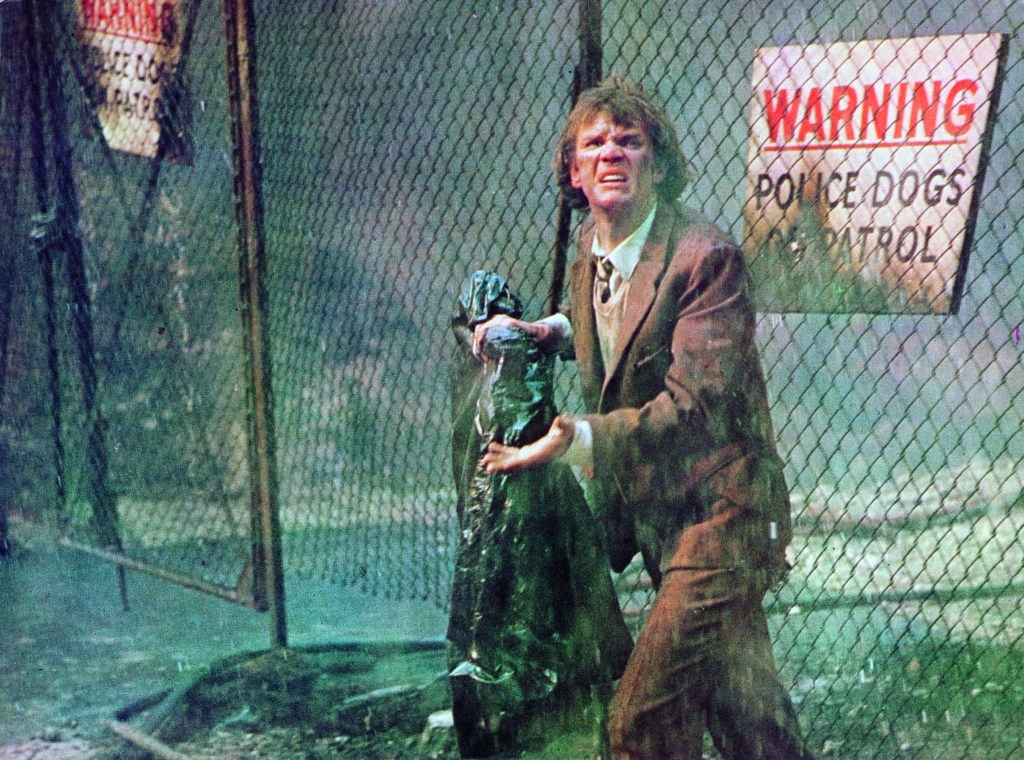
O Lucky Man! – BFI National Archive
His films are very varied, with theatre, within the different themes and strands they explore. There is this sense of looking at the state of the nation.He’s very interested in, not so much in a Ken Loach overtly left wing political perspective, he is interested in British politics and social politics. What life is like on the ground and how that relates to larger forces that govern our lives, particularly within the British context.
There is something interesting about his political positioning, he’s neither really clearly right or left. Having that slightly left leaning but being ambiguous politically and this preoccupation with the state of the nation and this kind of bleakness of his films feels like aspects of where we’ve gone in this country in the last few years.”
JB:“He does feel very timely, in an age when there is so much polarisation. You’re this, you’re that; you’re right, you’re left; you’re these things. Lindsay Anderson was absolutely an iconoclast. As soon as he felt pegged, politically, he would resist that.
I think that goes back to that he’s Scottish. His dad was wholly Scottish, his mother was half Scottish, South African Scottish. But he was born in India and then his parents separated and he moved back to England. He had this sense of being an outsider and in a sense that always stays. He went to Cheltenham College, a big private school known for a gateway or pathway into the army and then he went to Oxford University so he had this very elite education and this very traditional upper-middle, lower-upper class background but he chaffed at any of those pegs always.
He would talk about his time in the war, the clash of the class strata that he observed in the different levels of the army and how absurd the British class system was and how Britain suffered from having all of these traditions, these codes of conduct.
So that spirit, famously when he was at Cheltenham, he wrote: ‘I am a rebel’ on the blackboard and he proposed a motion that the British public school system is not fit for purpose. He resisted all along whilst also being a member of that. He’s a fascinating, contradictory questioning figure and that all comes through in the films.”
WF: “In a similar vein, after he died his friend at college, Gavin Lambert, who subsequently fed him to Sight and Sound and knew lots of filmmakers, who kind of grew up with him, he had access to his diaries. He knew him at school and he knew that Anderson was gay but Anderson had never disclosed this publicly and so this book came out after he died, kind of revealing it, probably many people implicitly knew or it was just unsaid. I’m sure that contributed in some sense to him as an outsider or questioning how things fitted together. To what extent is there a queer lens going through his work is a question that hasn’t really been pondered about a huge amount.”
JB: “If you’re new to his name, he didn’t make that many films, he certainly didn’t make that many features. But in his lifetime he was a major cultural figure in Britain. Each film was an event. He was known for directing at the Royal Court, his theatre productions were hugely acclaimed and as a critic he was known as a voice, a cultural voice and he was so opinionated, so clear with those opinions that people were aware of him. He was a big cultural figure and we shouldn’t forget that. He was an outsider but absolutely central and known.”
Britannia Hospital – BFI National Archive
WF: “Someone said, relative to his output he’s had the most books written about him or by him, more than any other filmmaker, which says something about his standing, his opinions and this desire to understand him.”
What was Lindsay Anderson’s impact on British cinema and should he be more widely known?
JB: “He famously was one of four people who launched the ‘Free Cinema’ (with Karel Reisz, Tony Richardson and Lorenza Mazzetti).
He wrote a manifesto in the mid 50s called ‘Free Cinema’, this was a series of screenings at the NFT, now the BFI Southbank, proposing a different cinema. Through ‘Sequence’, the magazine talked about before, that was highly critical of British cinema, which he and the other writers there attacked as middle brow, suburban was the pejorative they used to throw at things, and just lacking ambition; he would say what we need is a more truly independent cinema.
Through ‘Free Cinema’, the manifesto argued that no film could be too personal and the whole idea was to create personal filmmaking that was aimed for the poetic rather than just the parochial. It wasn’t about making films about the right subjects, making films as mere entertainment, it was expressing something poetic, whatever you were making.
So through the 50s he made documentaries, very inspired by the 1930s and 40s British documentarian Humphrey Jennings, he alone among that era of documentary filmmakers he saw as having that poetic, artistic sensibility. But he saw this as a whole separate seam to the mainstream of the British industry.
In the mid 80s, I think 1985 was the year of British cinema, Alan Parker made a documentary arguing that the British film industry needs to be more commercial, needs to ape the Hollywood model a bit more. Lindsay Anderson filmed a reply basically saying, no, there’s this whole other side to what film can be and what British cinema should be and that’s personal and poetic.
So if he hasn’t had that acclaim it’s partly because he stood in opposition, in conflict with what a central idea of what British cinema often has been.”
WF: “In many ways, he only made three films which had true visibility, ‘If…’, ‘O Lucky Man!’, ‘Britannia Hospital’ …and ‘This Sporting Life’. Four films. Almost a film for each decade. His screen time presence is quite small. There is more work than that but that’s the stuff that got wide release and had financial support.
In Celebration – BFI National Archive
There’s definitely plenty to discover. We are showing ‘In Celebration’, which is a filmed theatre play that he shot, that was facilitated through American television, which had Brian Cox, Alan Bates and James Bolam in it.” Brian Cox of ‘Succession.’
JB: “Brian Cox did Radio 4s Great Lives, where they nominate someone they consider has had a great life and Brian Cox chose Lindsay Anderson because he had an absolutely profound effect on his life as a young actor working with him on ‘In Celebration’. He said he could be difficult, he was very sharp but it was because he was the most principled man he ever met and he lived by those principles.
He was famously acerbic and difficult. He had this prickly persona, which comes through in his criticism and it made him often unlikeable but everyone that worked with him said it was always about the work. Actually he was an extremely compassionate, kind person but he had absolutely unshakeable convictions and principles.”
How did the industrial documentaries come about?
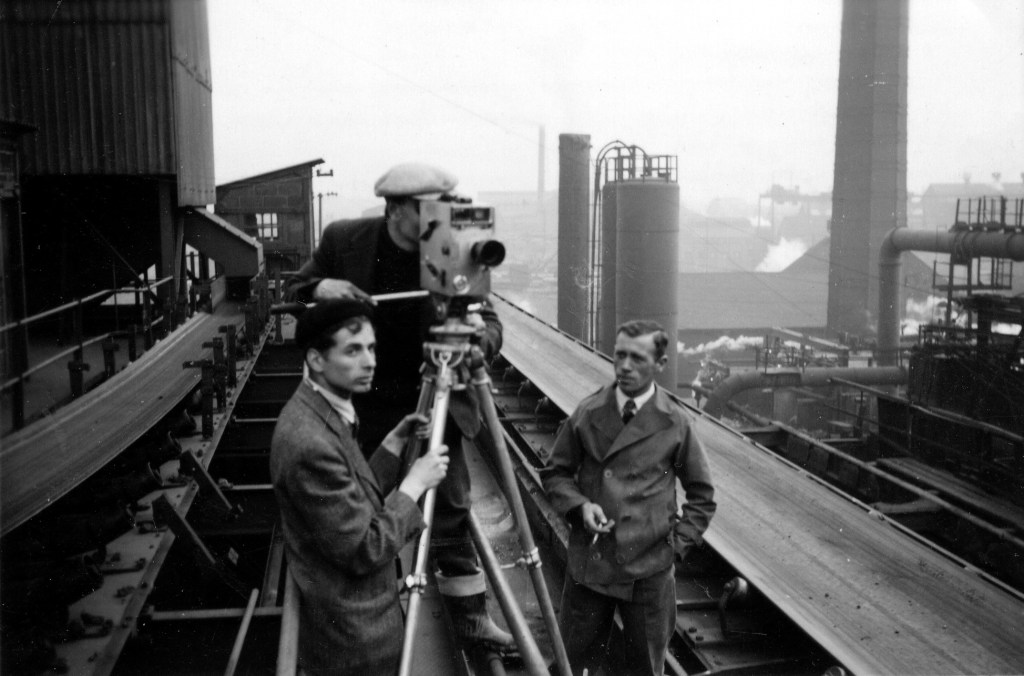
JB: “He gets into filmmaking by being commissioned to make films for industrial companies. ‘Meet the Pioneers’, ‘Idlers that Work’ he makes for the Sutcliffe Company, but even then, we talked about poetry, when you watch there’s a lovely poetic quality to it. It’s not just telling you the information, it’s finding some kind of poetry in the rhythm of the machines. Then in ‘O Dreamland’ it’s very very dark and disturbing but it’s quite poetic. There’s more going on than what you see on screen. It’s not just here’s a slice of social realism, there’s something disquieting about it, it’s hitting at some other quality and that’s true all the way through.”
BFI National Archive
WF: “What’s interesting with those industrial films, those were the first films he made and he hadn’t made home movies or played around with ideas or learning how to use a camera beforehand, he was literally asked to make those films off the back of ‘Sequence’. He really learned from making and looking at film. So, not going to film school, not trying stuff out, right on actually doing it, there’s that sense of presence in the film that reflects that, which is quite interesting.”
JB: “It was through working on ‘Sequence’ which was self-run, self-published with Gavin Lambert, who would go on to edit Sight and Sound and write with Nicholas Ray, who directed ‘Rebel Without A Cause’. Lindsay Anderson and this guy called Peter Ericsson published out of their flat in North London after coming down from Oxford. This Lady called Lois Sutcliffe, who was married to someone running the Sutcliffe company, she had read ‘Sequence’ and been so impressed by what she read and took a punt. She met him and was even more convinced. This is someone who had these absolutely clear principles, this clear sense of direction and she thought this person is interesting, he will bring a perspective to the films we want to make.
That was the break-in, it wasn’t that these commercial opportunities opened up, it was on the strength of his convictions and his work in criticism.
What was his connection with the theatre?
How he got into the theatre, this was the time of the ‘Angry Young Man’, in the late 1950s. He would say it was almost impossible at the time to break into filmmaking, unless you went through the studio route. But in the 50s these opportunities opened up through cinema and then the Royal Court. The great success of the play ‘Look Back in Anger’ opened up all these opportunities for new voices that would tell working class stories or stories that hadn’t necessarily been told on film before and Anderson was part of that young generation that was questioning the old.
This Sporting Life – BFI National Archive
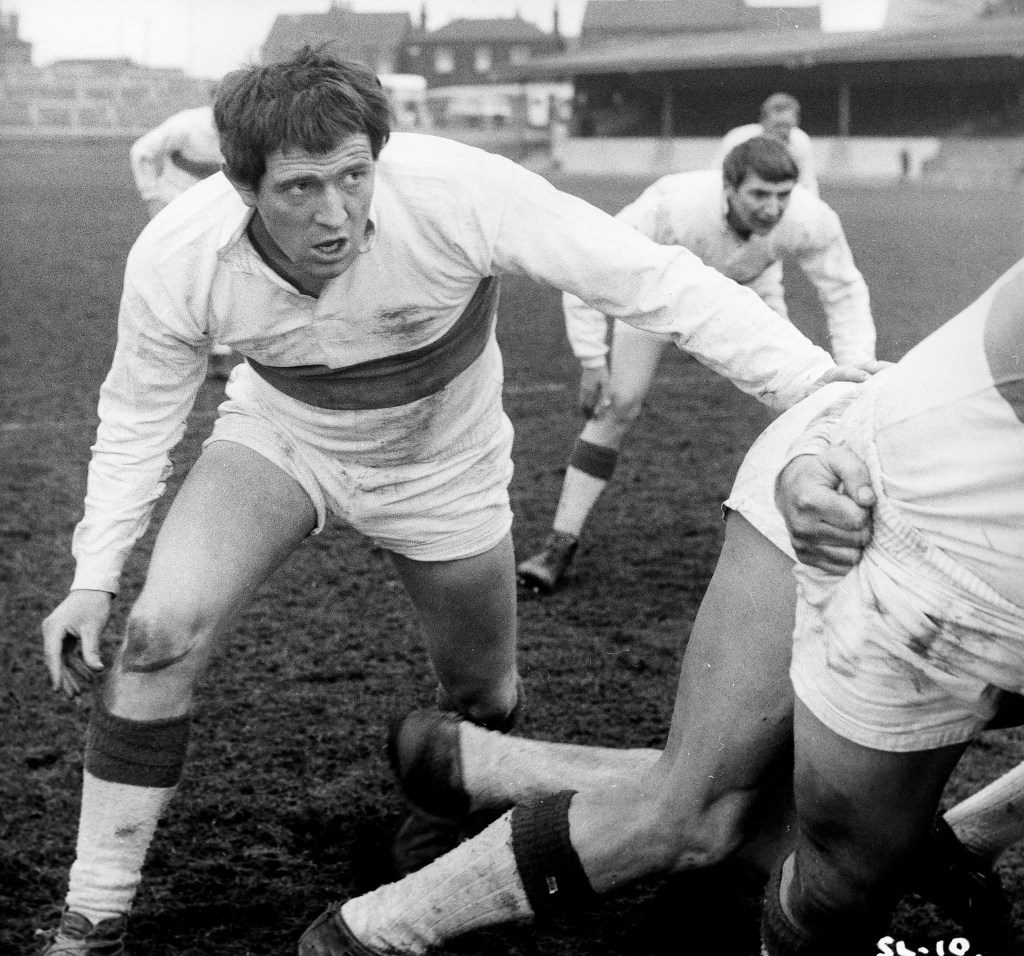
He made ‘This Sporting Life’, which is his first feature, but that is usually considered the last film of the British New Wave in the early ‘60s and it has a lot in common with those films, like ‘Saturday Night and Sunday Morning’ and ‘A Taste of Honey’, in that it is set in the north and it is about working class characters but it has some different qualities to it, it’s much more psychological, it’s much more poetic.”
WF: “His films are much more brutal to me. The very beginning, there is this rugby match, there are these huge guys that are slamming into each other, it’s almost extreme in a way.”
What was Lindsay Anderson’s influence on Malcolm McDowell?
JB: “Malcolm McDowell credits Lindsay Anderson…well… he discovered him for ‘If…’ and made him a star. He did this lecture at the end of a film festival on Lindsay Anderson, which was then filmed and released ‘Never Apologise’ and he talks about what an influence Lindsay Anderson was on his life.”
Never Apologise
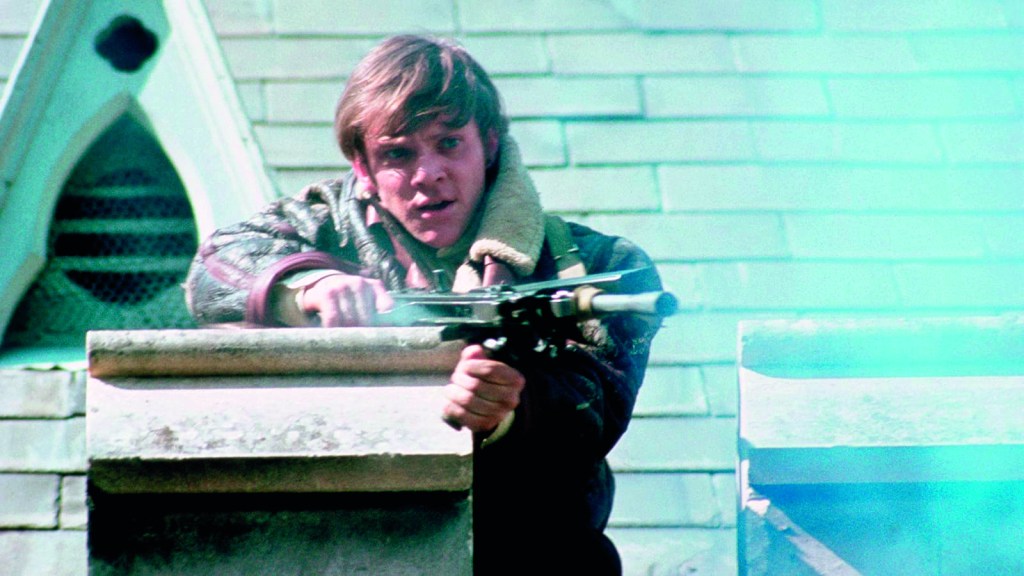
WF: “’If…’ was immediately positively critically acclaimed in all the different papers but it was also very financially successful. I don’t want to spoil it for you but it’s almost like revolution at public school. Mark E. Smith from the Fall, the band, was a long term Lindsay Anderson fan and even though he had a working class background, Lindsay Anderson was effectively upper class, this experience of this brutish school environment, Mark E. Smith could still relate to and he completely loved this film. It’s curious it’s this elitist milieu, but it appeared to have this almost universality about it that spoke to different classes, but also at the time, because it came out in 1968 when there were riots and would be revolution all around the world, so it’s incredibly timely.”
JB: “I think it was a generation defining film. It was hugely important in the way ‘Easy Rider’ was in America. It captured a certain moment, it was 1968 and it anticipated that anti-authoritarianism, youth against tradition. It had a huge impact and real influence on a lot of people.”
If… – BFI National Archive
What else can be expected from the programme?
WF: “There are lots of different things to engage with. One thing I would mention is there is an artist called Stephen Sutcliffe, not connected to the Sutcliffe factories that Lindsay Anderson made films about, but he’s a long term Lindsay Anderson fan who made a film about Anderson’s relationship with Richard Harris. He’s made a compilation of clips of Lindsay Anderson films sort of related to things thematically from television at the time, cameos in various films, he’s in Chariots of Fire for example, and it includes some adverts Lindsay Anderson made. It’s this seamless block of Lindsay Anderson stuff that draws out quite a lot of what he’s talking about. He has a real talent for this collage montage kind of thing, I think it is a fun and special thing to engage with.”
JB: “We try to organise stuff so that you don’t chronologically trudge through the films. We tried to make some sense of themes or collaborations. Key collaborations in Lindsay Anderson’s life. There’s one section which is the trilogy, the ‘Mick Travis’ trilogy. The Malcolm McDowell films effectively, which are these kind of satirical, darkly comic state of Britain addresses and then there is this other strand. He worked with the playwright David Storey on adapting and staging many of his plays at the Royal Court and other theatres. David Storey wrote ‘This Sporting Life’. He wrote the novel and adapted it for Anderson’s first feature as well as the plays ‘Home’ and ‘In Celebration’. They are effectively filmed plays. ‘In Celebration’ is slightly more cinematic.
The Whales of August – BFI National Archive
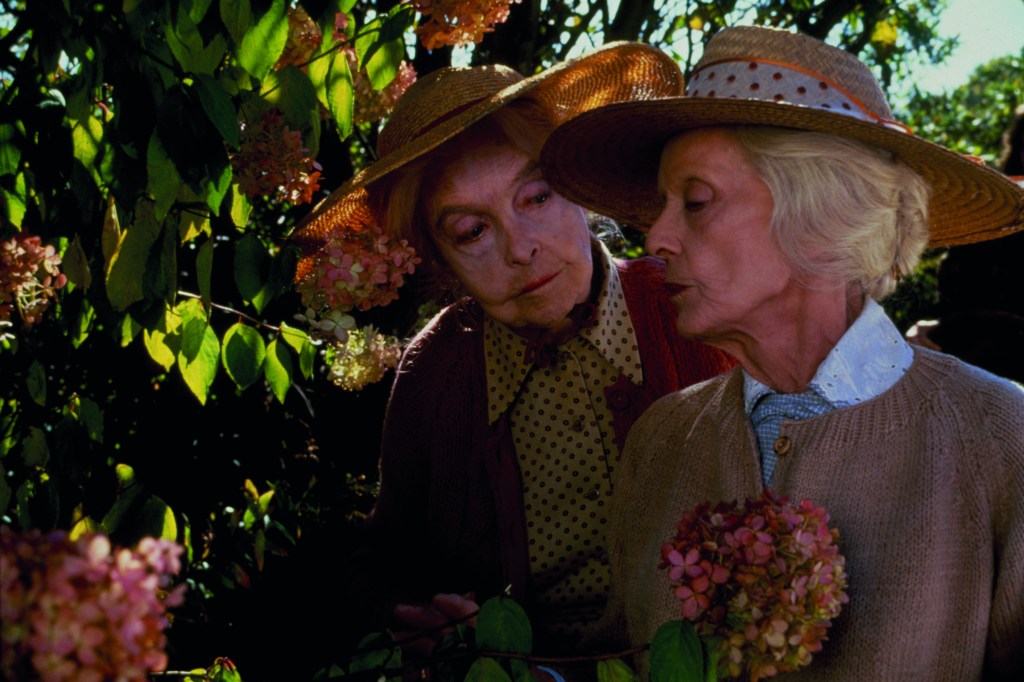
These are two crucial collaborations. There’s the David Storey ones and the Mick Travis ones written by David Sherwin. Then we’re looking at the early shorts like the Free Cinema films, the industrial films separate to that and then towards the end of his life after ‘Britannia Hospital’, Anderson went to America and made a film called ‘The Whales of August’ with Betty Davis and Lillian Gish. Real Hollywood veterans.”
Why should people go and see the Lindsay Anderson programme?
WF: “I think it makes you look at British cinema in a different way. It’s not necessarily things you might see, there’s a more acerbic bite and there is the sense of the unpredictable around them but something very poetic and combative going on. There are few other figures that work in that way and at that level, so he’s iconic and singular in that sense.”
JB: “It’s interesting he worked quite a lot and was fascinated by the filmmakers in Eastern Europe in the 1960s working in Czechoslovakia and Poland, who were obviously working under real censorship and restrictions. People like Miloš Forman and Ivan Passer and others who made really individual personal films but they made them under real restrictions. They cited Anderson as a real example to them because of his absolute principle and his individuality and refusal to compromise.
So I think there is a valuable lesson to be taken from his example and the example you find in his films for us today, for filmmakers today to stay true to your convictions, to question constantly, to interrogate your own work and to interrogate those of others and maintain a critical relationship with culture and with everything. So I think that’s why now and why the programme.”
O Dreamland! Lindsay Anderson’s Dark British Cinema is on at BFI Southbank from 1-31 May.







































 The Language of Film