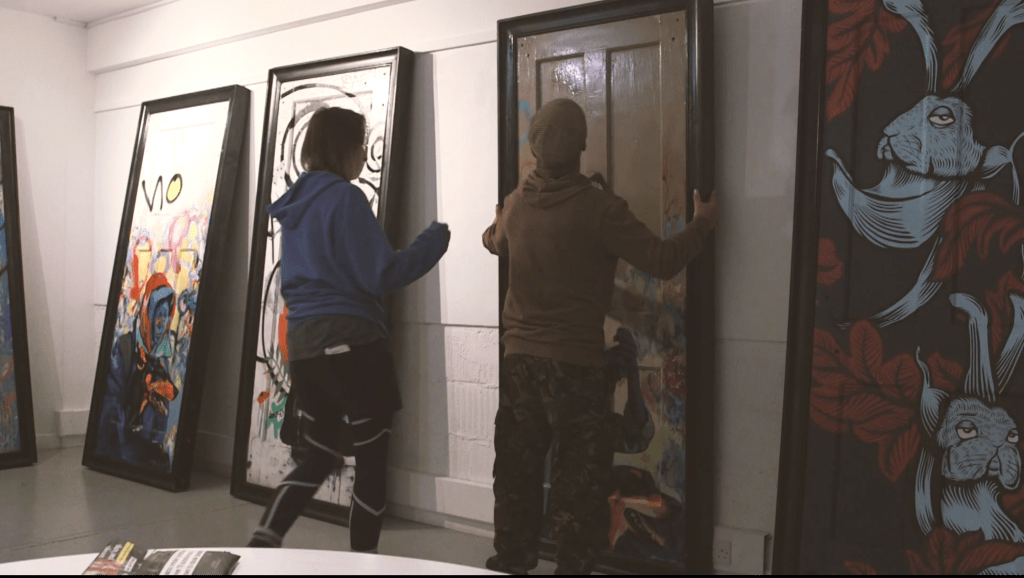
A new short film part of a series of vignettes on Sky Arts to provide some momentary escapism during the pandemic, raising mental health awareness through Wander and the Mental Health Foundation. The brain child of Mary McCarthy the film has brought together the work of a group of street artists involved in the global street art movement and is dedicated to the creative hub of Bristol, which also happens to be the birth place of the most famous anonymous street artist of them all, Banksy.
Consummating art and film, these mini films take the audience ‘to beautiful spaces accompanied by the world’s favourite voices’. This one chooses the poetic folk lyrics of L.A. Salami read by himself and Brit actress Kaya Scodelario providing a powerful protest backing track taking you around some of the best street art in Bristol spanning 4 decades. The biggest compliment you can give the street art is, for most of the far too brief 5 minute play time, you would find it hard to separate the graffiti from the streets of Bristol from the graffiti of New York. It’s a welcomed distraction from the pandemic crisis and even ends with some tips to stay on top of your mental health.
Despite the questionable legality of some of these street artists sometimes it’s just reassuring to see and hear the vibrancy of talent expressing itself in ways only it can, challenging the social norms, bringing colour and art into people’s everyday lives; especially when it’s this good.
The film can be seen at http://www.vanguardstreetart.com. and is also part of a wider art exhibition, Vanguard: ‘Bristol Street Art: The Evolution of a Global Movement’, which will be held at Bristol Museum MShed in 2021, exploring the creative history and legacy of Bristol, its underground scene and the wider global phenomenon of Art on the streets.
Trailer Link
Film: Vanguard: ‘Bristol Street Art: The Evolution of a Global Movement’
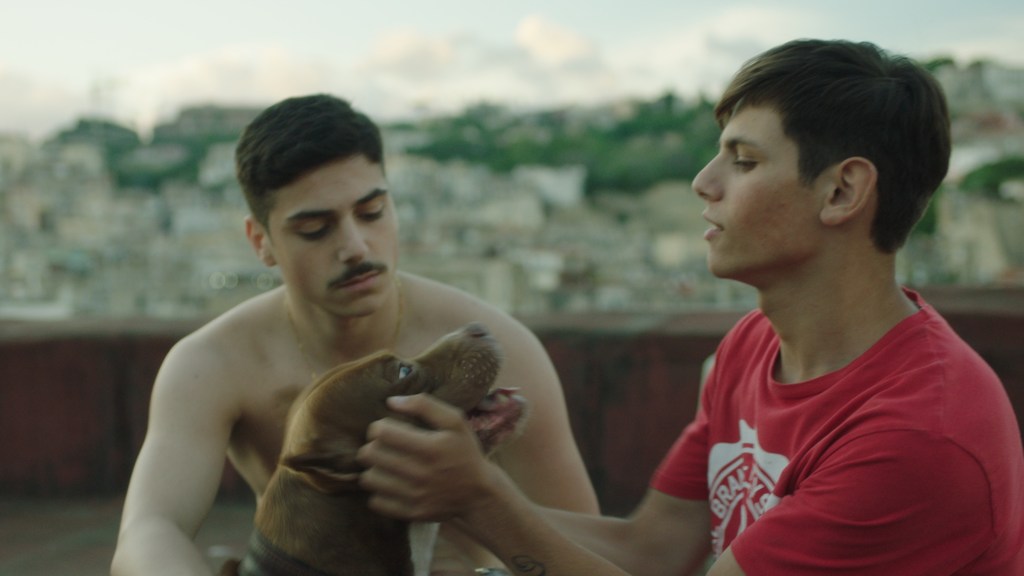
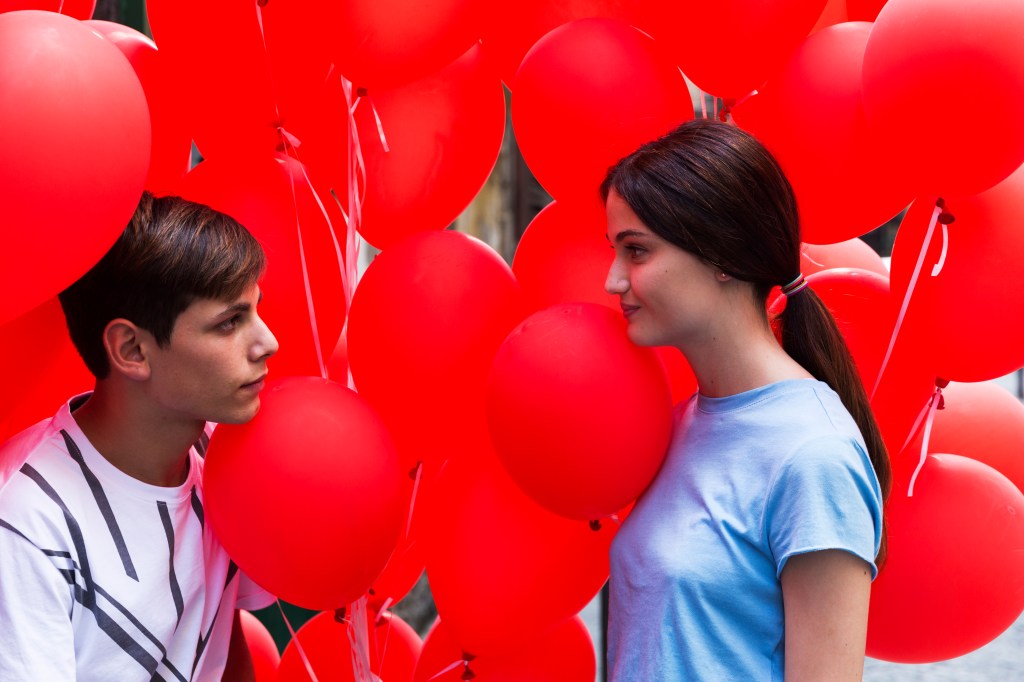
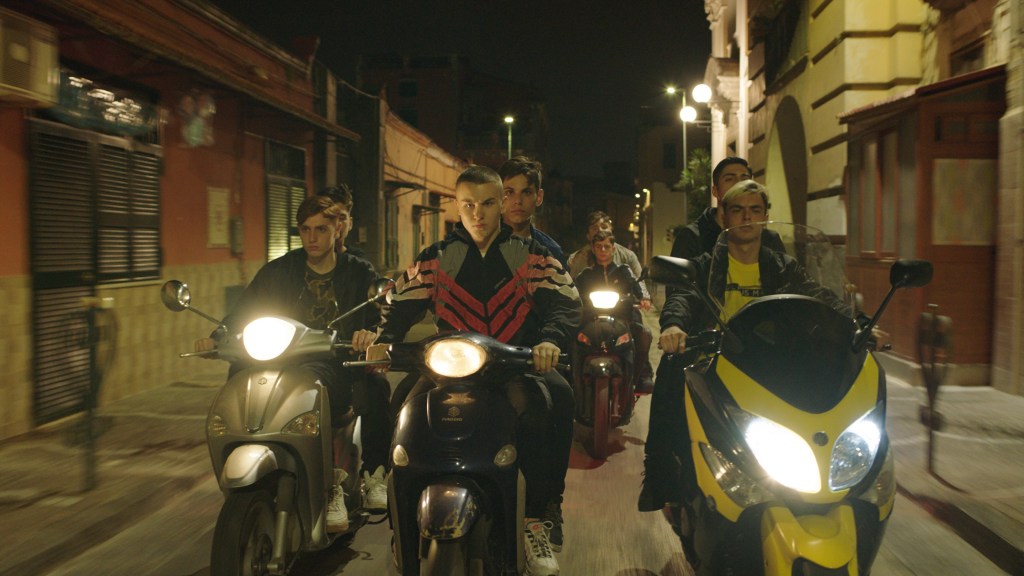
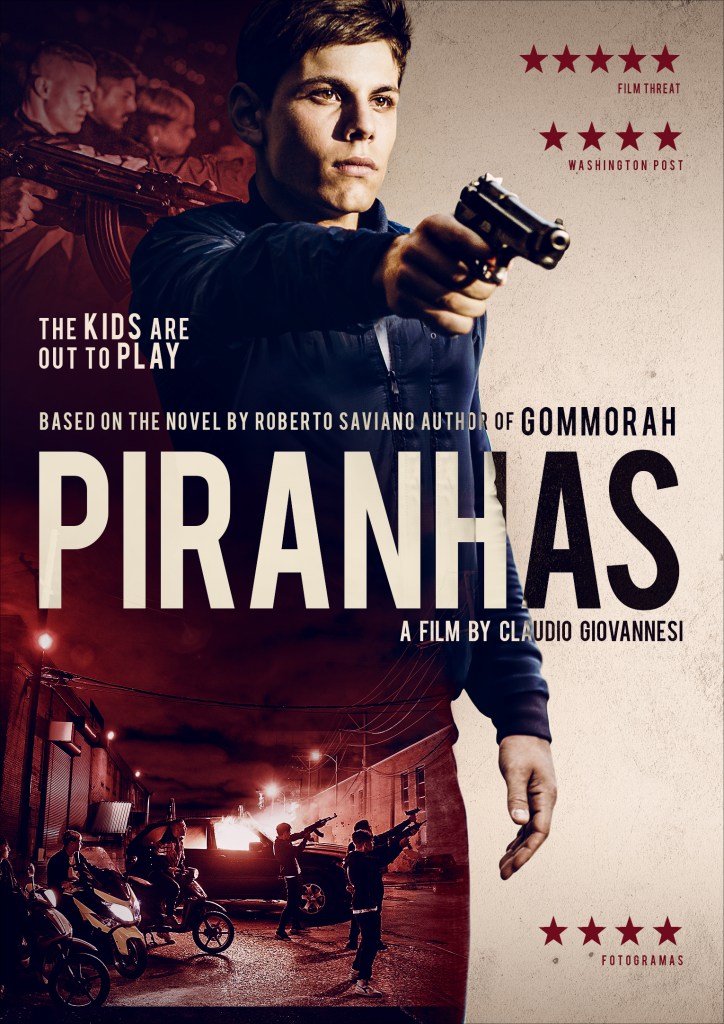
Based on the book by Roberto Saviano (Gomorrah) this won the best screenplay at the Berlin film festival and is a youthfully slick homage to the mafia crime world of Naples. Whilst no one is condoning any illegal kind of behaviour you can’t deny this genre’s popularity and our general fascination with organised crime. This story isn’t totally averse to glamourizing gangs and violence either, but its major difference to the likes of Goodfellas is putting the spotlight on the youth of today and how easily influenced they can be and how quickly they can be drawn into crime. The rites of passage leading into criminality are part of everyday culture in society and it’s all put together here with the delightful backdrop of the winding streets of Naples, in the warmth and safety of good storytelling.
The film wastes no time setting the scene with the boys, the gangs and the territorial rivalry; there’s something very Lord of the Flies about the bonfire at the beginning with the ritual singing, half naked dancing and painted faces. The lead protagonist is 15-year-old Nico who lives with his younger brother and his young mum. He sees his mum giving protection money to the local mafia on his way out with his friends. He’s a good-hearted kid who has values especially when it comes to seeing his mother being extorted. When the boys go out, they help some girls who have run out of gas and give them a lift to the nightclub. The boys don’t get past the security because they don’t have enough money and have to return to the local diner, down-hearted but not undeterred. Here they witness the intimidation from the ruling mafia family and Nico sees the opportunity to get the money he needs for the nightclub and to get the girl. And so begins his ambitious plotting to put things right as his gang of mates take their first baby-steps into the world of crime and the riches and rewards that come with it but of course all this doesn’t come without getting involved with some pretty unsavoury people.
There are lots of nice moments such as with the old don under house arrest when speaking to the young kid, asks him why he doesn’t play football instead, to which the kid replies he was never good at playing football and when the gang of lads get the guns they need and light up the roof top terraces of Naples in practice, they learn how to use their automatic weapons with the aid of some internet tutorials; all giving the film some nice modern touches that lighten the overshadowing ominousness of a well known story.
It’s glaringly obvious from the start it’s boys against men but it smartly shows how easy it is to slip into a life of crime and with the continuity of youth, keen to show their worth, drawn to the thrill and no doubt the rewards with little worry about the consequences, the film would suggest this remains as popular in society today as it has been in the movies.
Quickly caught up in their own merry go round of criminal ambitions, power-hungry families and individuals with varying degrees of loyalty and observance of territorial boundaries making money in organised crime: drug trafficking and racketing. With tit-for-tat follies, success comes at a price and although the violence isn’t overly violent it’s significant enough to make its point with the sad loss of young lives.
Roberto Saviano is a knowledgeable and skilled story teller in the Italian mafia genre (he received death threats and is still under police protection since his highly acclaimed book Gomorrah was written, similarly based on the Camorra mafia of Naples. Does he have some kind of death wish?) and with the film’s use of local actors all bring complete authenticity to what in the end feels too short a film about the rapid rise of a boy and his mates’ involvement in the local mafia gangs. Perhaps this is due to the influence of director Claudio Giovannesi, who having shot episodes of the TV series Gomorrah, has given the film a slick, fast tempo to get the story told and suggest great series potential.
Link to trailer
Film: Piranhas
Director: Claudio Giovannesi
Cast: Francesco Di Napoli, Viviana Aprea, Mattia Piano Del Balzo, Ciro Vecchione, Ciro Pellechia
Q&A: Director Albert Shin answers questions about his film ‘Disappearance at Clifton Hill’ featuring cult horror and all round film directing legend David Cronenberg. The film released this week is a neo noir, who dunnit and is currently trending at number one on digitala.
What were your inspirations for Clifton Hill?
The original inspiration was based on something I experienced in my own life, when I witnessed what I thought was a kidnapping as a child during a fishing trip near Niagara Falls. And in terms of cinematic inspirations, I thoughts a lot about Roman Polanski’s Chinatown and Bong Joon-Ho’s Memories of Murder.
How important was the location setting of the film on a personal and cinematic level?
The location was everything to me. This film is inspired by my family’s time in Niagara Falls and this visceral memory of seeing this potential kidnapping there. Even though it’s a dark noir mystery, this was my love letter to Niagara Falls and setting it there and filming it there was absolutely the only way I wanted to make it.
Do you think it will have a positive impact on tourism?
I sure hope so! My objective was to make Niagara Falls feel more mysterious and dangerous and imprint a certain allure to the whole place. There was a lot of resistance from some of the powers that be over concerns of casting the town in a negative light, but I’ve heard from so many locals that loved seeing their city on the big screen as a cinematic universe.
There were lots of quirky things in the script and the characters. How do you develop these?
Much of the quirky or strangeness was organically built as a reflection of the actual town. Certainly a heightened version, but Niagara Falls is a strange place – it’s a border town and a seasonal tourist town with the slogan, “the Honeymoon Capital of the World”. The city is a literal hall of mirrors in many ways, and I wanted to manifest that ethos in the characters and in the world-building.
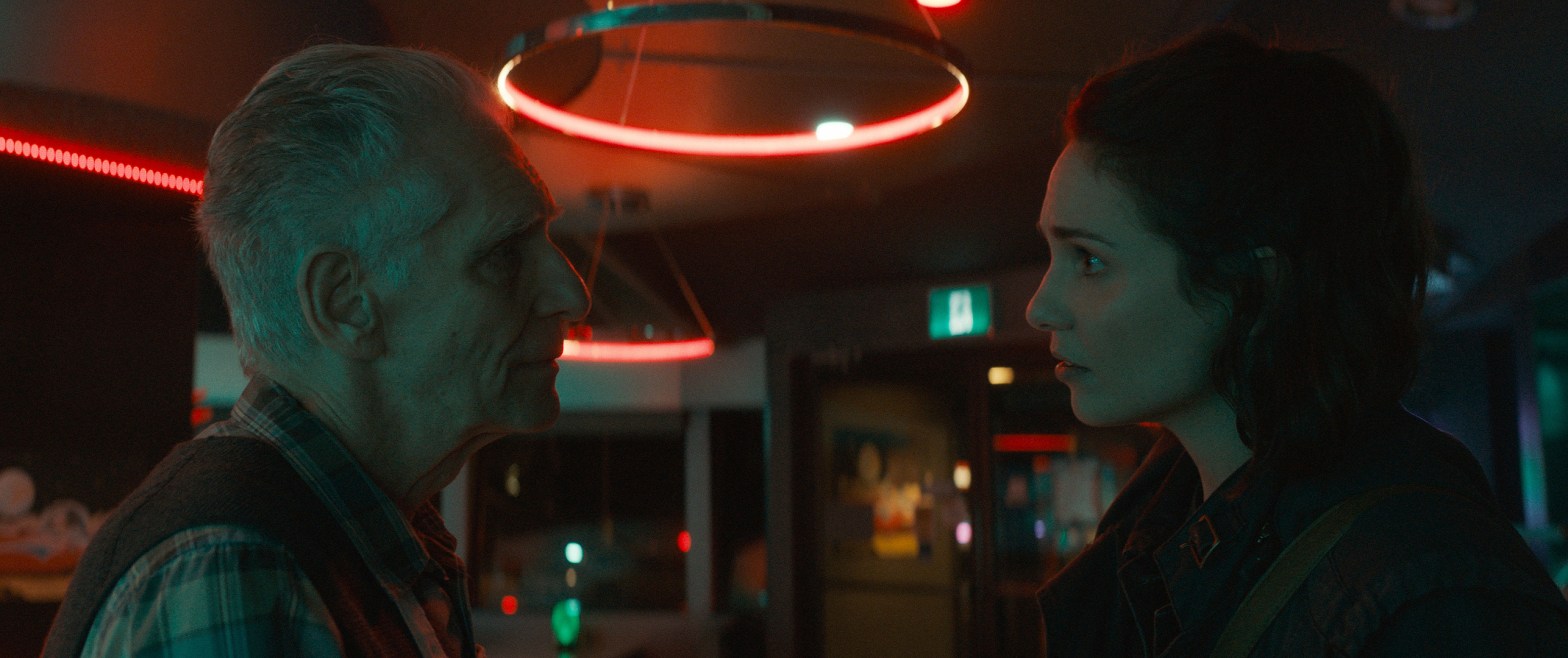
How did you come about casting David Cronenberg as the local eccentric?
It was very serendipitous. We were having a hard time casting that part, which required certain elements that were in short supply. Firstly, the character needed to be quite advanced in age, and I wanted whoever to play him to bring an inherent persona to the role that the audience would immediately recognize. As we got closer and closer to production and still hadn’t cast the role, David’s name came up and out of desperation, thinking there was no way he’d be interested, we sent him the script. To my complete shock and elation, he immediately said yes! Moral of the story—nothing ventured, nothing gained.
It was immaculately shot and scored. How did you use the cinematography and music to get the right atmosphere?
Firstly, it helps when you have such incredible collaborators like Catherine Lutes, who was my DOP. I was lucky to have her. She’s so talented and has such a specific and beautiful eye, it was really more about letting her stretch her wings and play in this noir space that we trying to create. And our composers, Alex and Leland really unlocked the code to the film with their score. I was in search of a particular signature sound, which sort-of represented our hero Abby’s subconscious. That’s a hard idea to articulate into music and they just got it. Their score is bold, strange and original and it certainly feels different than a lot of music scores out there, and I think it really elevates the film.
You write, produce and direct. How do you manage all 3 and which do you prefer?
I manage all of these things to varying degrees of success, but everything is in service of directing. That’s my happy place and why I do anything else. I write and produce so that I can give myself a better chance of somehow getting back to a film set to tell stories with talented actors and collaborators.
A film first VR premiere. Log in to Altspace VR app and have your Oculus headset at the ready for the full experience.
Featuring a film debut from Shane Ward (X Factor winner) this British action / sci-fi / horror is a great antidote to any lockdown malaise. If you’re watching on birdbox.film (championing UK low budget filmmaking) you’ll be engrossed by this budget feature film.
With an all British cast, headed by Shane Ward, who leads a group of mercenaries on a mission in Eastern Europe. The resulting skirmish and melee with its special effects sets the tone, suggesting something’s not quite right.
The unit eventually make it back to the UK headquarters but their problems have only just begun as the film takes a supernatural twist and the past comes back to haunt them. Their only escape a quantum leap in time travel that takes them on a never ending loop back to the future. From here on in you might want to trial a VR headset as the suspense and special effects heighten.
For any UK indie film fan especially of sci-fi and horror this is certainly worthy of a watch. If you allow yourself to get past its various imperfections the story brings you to some challenging moral and philosophical themes that, whilst overly simplified, will stay with you long after the film has finished, even though they may not have quite properly been executed themselves.
As the world continues under lockdown due to the covid-19 pandemic, here we have a timely reminder about the pitfalls of spending too much time on screens using technology.
This feature length documentary from the Canadian filmmaker Jon Hyatt follows him on his personal journey to find out how addictive and harmful technology is to his health and his young family’s and how much of a problem it is for society as a whole.
The documentary brings a convincing and compassionate argument about the over use of technology in our lives, some of the behavioural problems associated with it and the tech organisations behind it all. It puts the spotlight on the concerns for the “iGen” – the generation of children now living their lives out on screens in a society that is becoming more and more dependent on technology.
Gathering insightful interviews from a number of experts in their field from doctors and psychologists to Silicon Valley tech experts including a condemning interview from the social media pioneer Sean Parker.
Surely common sense should prevail you might think on how much technology we use in our daily lives but it’s easier said than done. Jon delves into the psychology of addiction, which is ably demonstrated by a pigeon. He finds out about how gambling and fruit machines have been superseded, warp speed, by gaming, the internet and social media. So whose fault is all this? The tech entrepreneurs or its gullible consumers?
A quick visit to the tech museum brings an evolutionary perspective to the research from the beginnings of the earliest computational machines that inspired Bill Gates to the more elementary gaming consoles and the 1st Blackberry, which was affectionately dubbed at the time the “Crackberry”. Unwittingly a sign of things to come perhaps?
Looking at the progression of technology Jon and the museum’s curator feel there has been a change in the tech industry from a time of delight and even surprise of making things work to something else – tech companies were now deliberately developing products to get us hooked. This was an addiction created by design.
Jon’s investigation began as a heartfelt look at his own problems and concerns as a typical dad with a wife and 2 kids whose daily routine was all consumed by screens and technology. His research found that this of course wasn’t unusual at all and in fact he was pretty lucky.
Speaking to children of the iGen we hear the stories about the daily pressures impacting on their lives: the distractions and the over usage but also the psychological impact of social media: the need to develop a perfect online persona, the feelings of stress, anxiety, jealousy and cyber bullying all of which have led to a real trend in depression and even suicides amongst young people – something too much television or computer gaming wasn’t ever attributed with before.
The health concerns are backed by scientific evidence and by these real life stories on tech addiction. It’s a cry out to companies to be more socially responsible themselves for the products they produce and for governments to support new regulatory measures.
It takes a brief global perspective looking at some countries with even more advanced tech addictions like South Korea, the gaming capital of the world, where addiction clinics are a common place and where they have had to introduce a Cinderella law to stop kids gaming after dark. China on the other hand are embracing the power of technology with a social reward credit system that rewards its citizens for good internet use highlighting again the influence and power of technology on society that sounds more like an episode of Black Mirror everyday.
Jon is an amiable guide taking us on his tech crusade and he’s not unlike Louis Theroux in his laid back interview style and commentary, never getting too excitable whilst tackling a meaty social issue.
If you are looking for some advice and inspiration on how to change your own or your family’s screen time then look no further than this.






 The Language of Film