Interview Maciej Barczewski

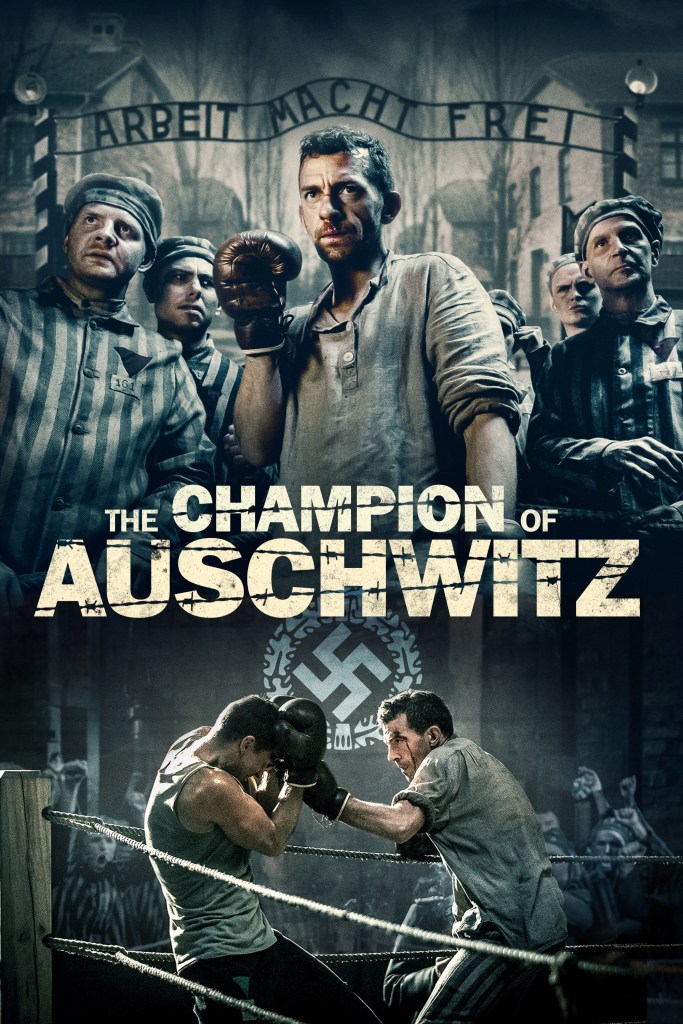
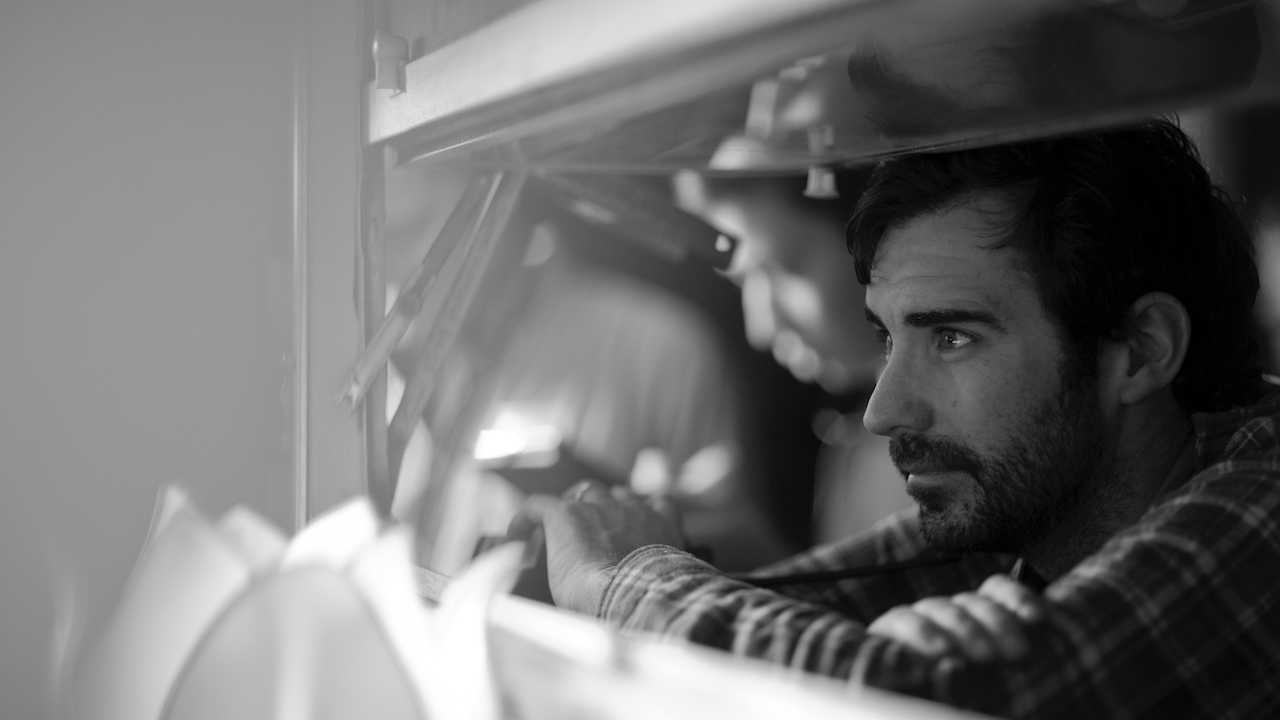
Interview with Maciej Barczewski the director of The Champion of Auschwitz a historical portrayal of Prisoner 77 and his fight for survival in the Auschwitz Concentration Camp in Poland during the 2nd World War, in cinemas from 3rd September.


Please introduce yourself and your film

Hello Iโ€™m Maciej Barczewski the director of The Champion of Auschwitz the film about Tadeusz Pietrzykowski the prisoner of Auschwitz concentration camp, who fought for his life with his fists, literally in the camp. Itโ€™s a true story about a true character, a former bantamweight boxing champion of Warsaw in 1937.

How did the story come to your attention?

I was reading one of the stories of Tadeusz Borowski, a famous Polish writer, who was a prisoner of Auschwitz and wrote a number of stories on this subject and in one of his stories he mentioned prisoner, number 77, who boxed the Germans in the camp, and that short sentence seemed very intriguing to me because the situation of a prisoner at the concentration camp whose literally beating Nazis seemed really intriguing. So I searched who was the prisoner number 77. It turned out he was one of the very first prisoners of the Auschwitz camp who came in the first transported prisoners, then I contacted his family, his daughter, his wife and it turned out his incredible story hasnโ€™t been turned into film yet. So I decided that I needed to be the person who brings this incredible story to screens.

Why did you want to make the film?

Well first of all Iโ€™m familiar with this subject matter because my grandfather was a prisoner of Auschwitz for 3 years and second of all because this particular story in my opinion had and has great cinematic potential. Itโ€™s symbolic in its nature, like David and Goliath. A biblical story. Someone who is weak, who has not a chance of winning and surviving, wins and survives in the worst place in the universe, in the darkest of times. So that appealed to me a lot. The sole notion that even if we face the darkest of circumstances in our lives, we should never abandon hope because always there is a chance that we might win and survive, just like Teddy.

How did you achieve the cinematography in the boxing ring?

As a member of the audience I usually find watching people beating each other on the screen quite boring. So my assumption was to show these fights just if we were one of the prisoners standing near the ring and experiencing it first-hand. It was quite difficult actually because we were aware that if we were to show boxing as it looked like pre-war, for the contemporary audience, it would look artificial because boxing was much different back then. So we had to combine some elements of modern contemporary boxing that looks familiar for the audience with some elements of this pre-war boxing that is something different. I wanted these fights to be very intense and not too long because thatโ€™s how they look quite often in reality. Actually we just wanted to make them look as real as possible. 

How much preparation went into the film?

The training of the actors took almost a year and a half. We were able to shoot all the fights without stunt doubles and actually even without any cuts. If we wanted to show the whole fight in one cut we could do that, we had such shots.

The longest preparation time was the physical preparation of the actors in particular of Piotr Glowacki, who played Teddy. He had to train for 14 months, 6 times per week and that of course included dieting, physical training, building his muscle mass and also boxing training, so that we would not need to involve stunt doubles or that he would be able to look convincing as the people’s boxing champion. So actually he has lost more than 30lbs for this role and he changed his body utterly, he started to move like a boxing champion, his whole physical transformation helped a lot to build this character.

Teddy is a small bantamweight. How did you cast him?

What some people advised me, of course we are casting a boxer he needs to be athletic, young, strong guy with a broken nose. But I read about Teddy and he looked nothing like that. He was relatively short, somewhat thin, somebody who actually you would not notice when passing by, but when you looked in his eyes you could see two clenched fists and Piotr actually is that kind of actor whose not very tall, he was not very athletic back then, but when you looked in his eyes you could see fire burning and that was something that I thought I needed to portray in this character convincingly on screen and I don’t think I was wrong.

How did you get the location?

We had to build a replica of the Auschwitz camp because I think since the 1990s the museum of Auschwitz does not allow any filming done on the grounds of the museum and it is completely understandable. So we built our set designs near Warsaw.

How did you choose what themes you wanted to include or exclude in the film?

Actually when you are making a film based on a real character, real stories it is always the most difficult challenge. What to include and what to abandon? What to change because when we are talking about narrative rules of a feature film that is 1 hour and a half long, it needs to have a beginning and an end. It always forces us to change some chronology of facts, leave some people behind, create some people for example as a symbol of some society or meet the protagonists needs. These are all the changes that we need to make in order to make an involving picture, right, because what matters most is not the adherence to the sole historical facts because if we did it like that the film would quickly become a boring history lesson. Whatโ€™s most important is the emotional truth of the character. If we can feel what the main character feels what he has experienced and what he has learned from the whole situation that is something that works best within the realm of feature film making.

The lighting was atmospherically both dark but quite light. Was this something you focused on?

Perfect, you have read our intentions correctly because that was the main subject of my conversations with the director of photography, Plociennik, because this story for me is a story of the darkness and the light and the journey from this utter darkness to the light that we see in the very last scene during the credits with all the children. So in all the scenes we tried to convey this duality of light and shadow and darkness because when you read the memories of the former prisoners of the camp of course it was the most terrible place to be in the darkest of times but, for example, in the realm of their real personal interactions quite a lot of this light showed up. Their humanity, urging for happiness. So I tried to show this a bit in our film. In a way this contrasts, for example the contrast of support in the concentration camp and the doom that is happening at the very same time, in the very same place. So that was something quite interesting for me from a cinematic point of view.

The story was full of poignant symbolism. What were the main messages of the film?

Itโ€™s not up to me now to explain all the symbolism itโ€™s up to the audience to read their own interpretation but as I mentioned the whole story in a way is mythological. It is like these Greek ancient heroes who are fighting with other deities. So, in a way I am aware that for contemporary audiences, for a young audience, times of the 2nd World War are as distant as Greek mythology right now because they donโ€™t know, they were born in the 21st century. This is a distant history. So, in a way I hope that this film will tell them something about this dark period of human history but also will tell them that on the grounds of this darkness, life will prevail because it has prevailed actually after the war, so that is one of the messages that I tried to convey in this movie.

Were you happy with the outcome and would you change anything?

Iโ€™m happy. Of course there is always this question what would I do if I had much more money? But on the other hand I donโ€™t think this story actually needs some tremendous war battles or anything, it is not about that. Itโ€™s about an extra ordinary man in a very unusual circumstance and what I was trying to do was to focus the whole narrative of the movie on our main character, what he experiences and for that purpose we donโ€™t need millions of dollars to show tanks or battlefields or anything like that. So after all, I donโ€™t think I would change anything, I think it works as it should.

Film: The Champion of Auschwitz

Director:  Maciej Barczewski

Stars: Piotr Glowacki, Jan Szydlowski & Grzegorz Malecki

Genre: Drama, History, Biography

Run time: 1hr 31min

Rated: TBC

Rating: 3/5

Handsome

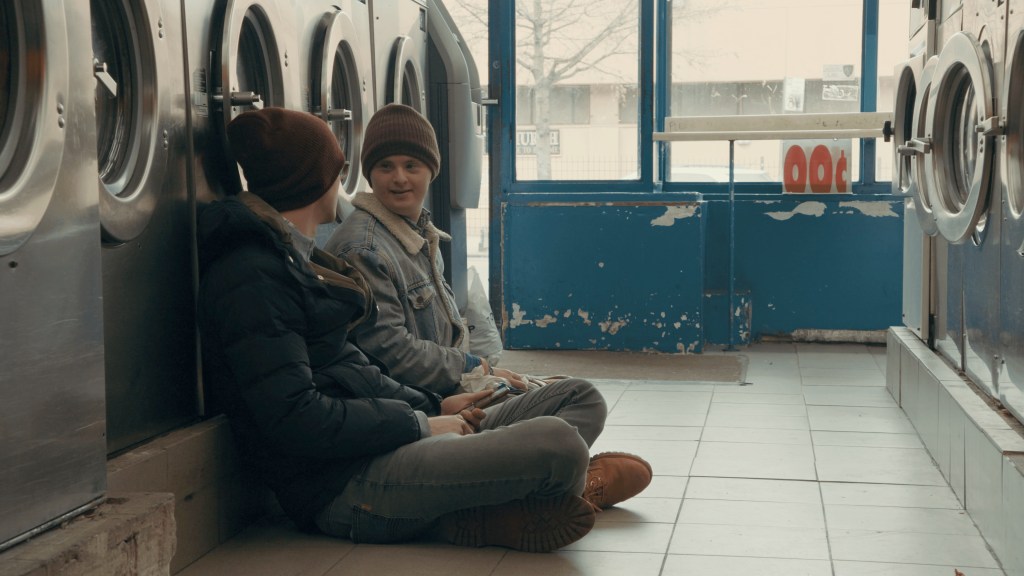
Handsome available on digital release from 30th August is a touching documentary film about two brothers Nick and Alex who travel around the world to talk to other siblings, where one or the other lives with Down’s Syndrome, to find out how they have been tackling their lives.

It begins with Nick talking about his own thoughts and feelings towards having a Down’s Syndrome brother who now lives with him. His brother, Alex, is 23 years old but continues to need a lot of care every day to help him with the simplest of every day tasks and Nick is unsure what the future holds for them, especially if he takes over from his parents and becomes Alex’s full-time carer. His plan is to spend a year with Alex travelling the world to meet other Down’s Syndrome siblings to see how they are living their lives and also see if Alex can become more independent.

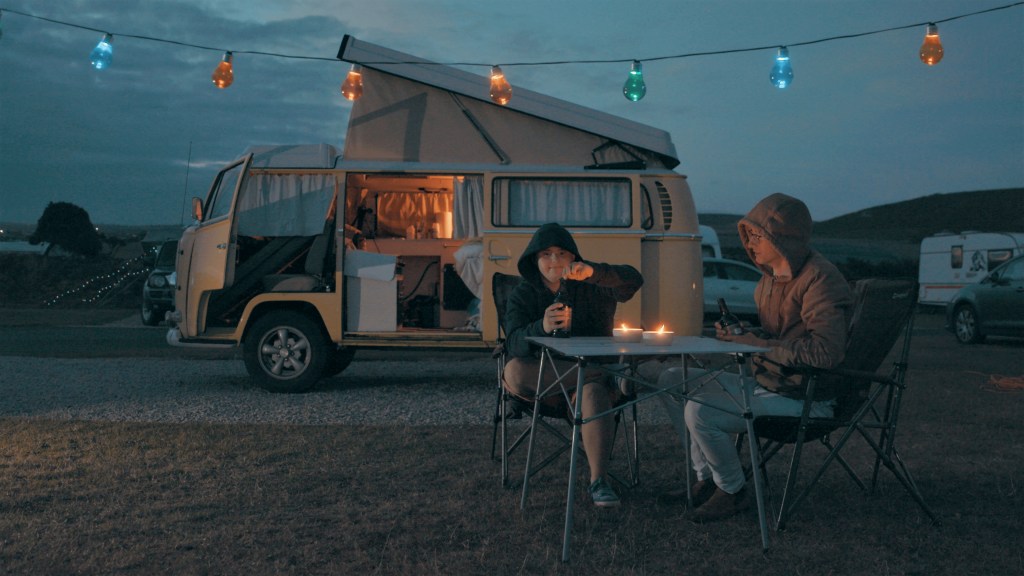
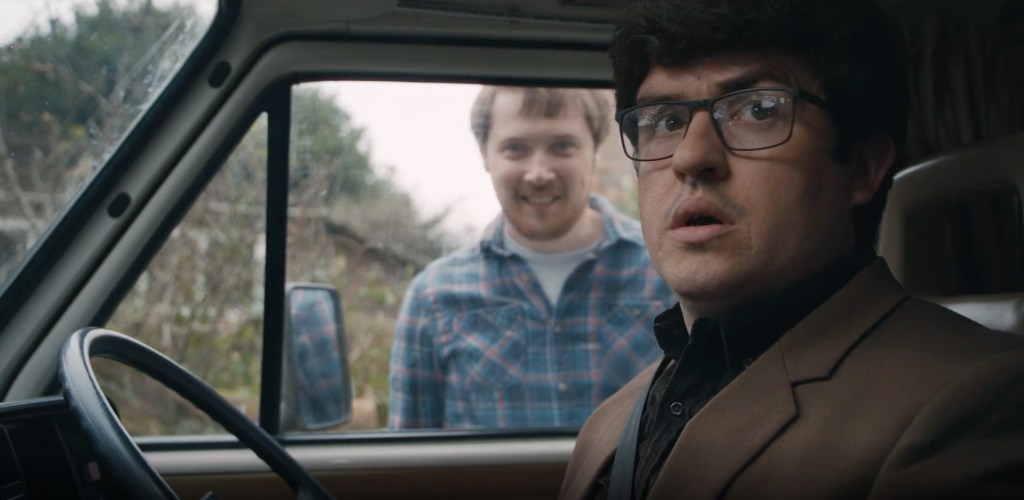
The trip includes the USA, India and Vietnam but the first stop is Cornwall, in the UK. Nick drives there in a hired camper van to stay at a campsite on the coast. We see the brother’s loving relationship but also the extent of Alex’s difficulties in particular his limited speech or even mobility. Tasks like going to the supermarket for camping provisions show the dependency of Alex on Nick for all the decision making, and any thoughts of independence look a long way away.

The next day they’re off to visit the first family, Holly and her brother Charlie, and so begin the emotional conversations with Nick talking about life with a Down’s Syndrome sibling. Holly is an attractive young girl who is very close to her brother with Down’s Syndrome, a term she finds difficult to use. The family own a large modern looking ranch and Charlie is living in his own annexed room next to the house with his own kitchen and bathroom, something Nick recognises as a good thing to provide as much independence as possible. There is plenty of common ground for them to discuss, and one of the first things is whether or not to use the ‘D’ word and the question of how aware their siblings are of having an ‘extra chromosome’ condition?

After they have left Holly and Charlie they head overseas to visit different cities around the world moving from city to city meeting siblings from different social backgrounds and from non-western backgrounds discovering the differences and similarities between their lives and even the offering of finding a cure.

It’s filmed in a handheld video diary style and Nick puts in a perfectly adjusted narrative performance throughout. He looks and even sounds just like the documentary filmmaker Louis Theroux, so much so that I thought he was actually a professional TV presenter. Alex on the other hand was very uncommunicative, which meant his involvement in the interviews was limited and you wonder just how much speech therapy would be necessary to get him to the same level. He still makes a game travel companion willing to bear all for the camera but he has to take a back seat to Nick’s almost incessant search for answers. Credit must go to the filmmaking brothers Luke and Ed White who directed and did the cinematography respectively and have managed to piece together a warmhearted filmic story for what is essentially just an alternative travel log on Down’s Syndrome.

Whilst unlikely to win any BAFTA awards for investigative journalism, it shows the brother’s heart-wrenching journey in search of ideas to help them make a better future together and whilst their Nomadland experience is only brief it is a fine example of how bringing disability to the fore can make compassionate, entertaining viewing.

Film:ย Handsome

Director:  Luke White

Stars: Nick and Alex Bourne

Genre: Documentary, Drama

Run time: 1hr 38min

Rated: 12A

Rating: 3/5

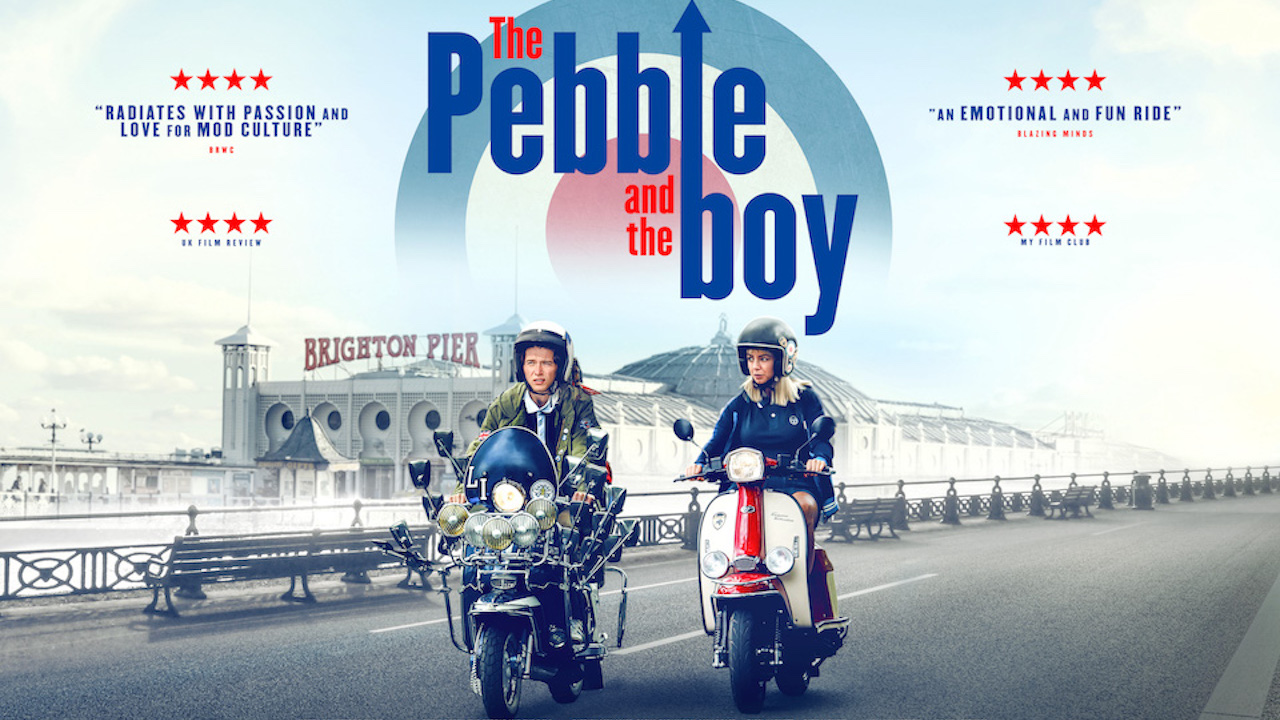
The Pebble and the Boy

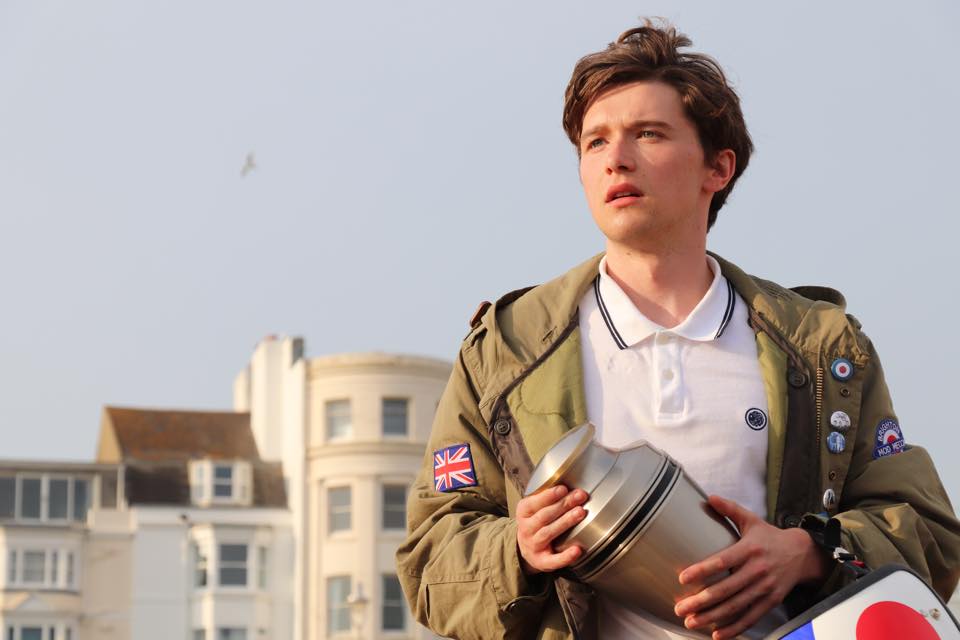
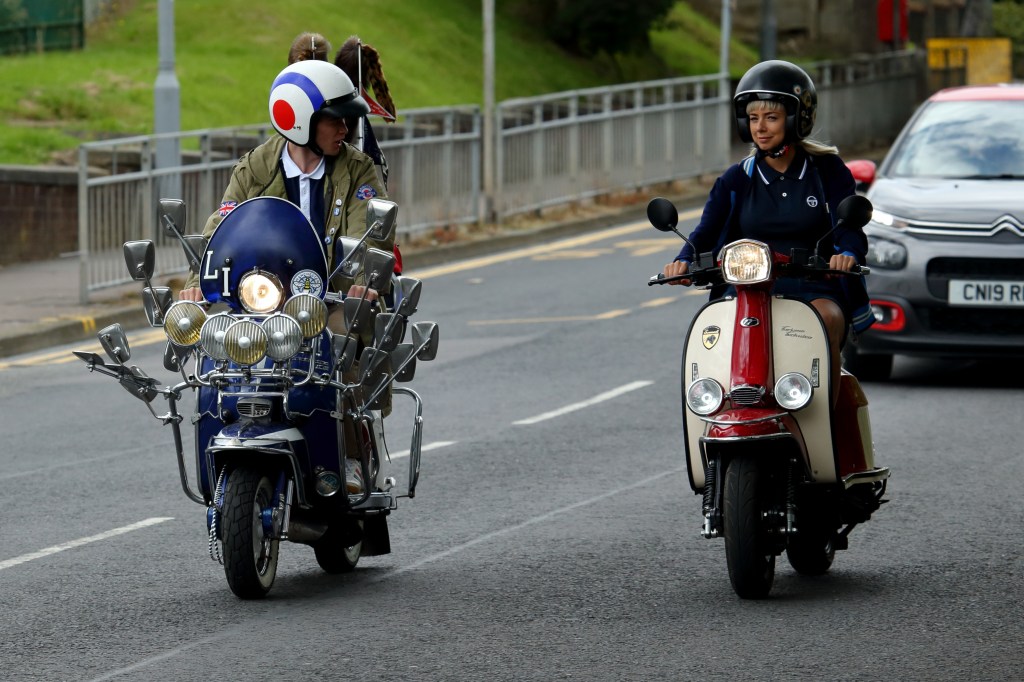
The Pebble And The Boy will be released in cinemas nationwide from Friday August 27, it’s a retrospective tribute to mod culture wrapped up in a feel good story about a young lad wanting to take his father’s ashes from Manchester to Brighton on the back of his old mod styled Lambretta.

Due to his recently deceased dad’s obsession with all things mod, John (Patrick McNamee) his son, wants to take his ashes to Brighton on the scooter left to him after ‘the crash’. Fortunately with the bike still in practically mint condition except for the odd smashed wing mirror (but when your scooter has another 20, who cares?), John sets off for Brighton, despite his mum’s disapproval. He doesnโ€™t get far before the bike breaks down but with the help of a pal of his dad’s, who curiously is also not keen for John to continue his journey either, it’s not long before he’s back on the road this time with the guy’s daughter Nicki (Sacha Parkinson), who he’s bonded with literally overnight. The swearing busty blonde modette lured by the tickets of a Paul Weller concert and the sense of adventure leads John astray for a succession of capers on their mission to Brighton. They meet with more of his dadโ€™s old mod acquaintances including Ronnie (Ricci Harnett) and his wife (Patsy Kensit) and they all join in on the tributes to Phil and the good old mod days full of girls, scooters, fashion, music… and punch-ups. The guys get back on the road this time with Ronnie’s son Logan (Max Boast), who is a bit of a geezer wide-boy. Needless to say after numerous false starts and more peculiar meetings John and his gang make it to Brighton.

Written and directed by Chris Green, clearly a tribute to the mod era loaded with mod references including, like the most famous mod movie of them all Quadrophenia, a nod to the infamous bank holiday fights between the mods and the rockers at the Battle of Brighton Beach in the 60s. It’s nothing like as cult worthy as Quadrophenia, but that doesn’t mean it doesn’t have a bit of a fizz about it. The film is driven along by Sacha Parkinson who plays Nicki, the ballsy northern lass, who has the unenviable task of trying to drag John out of his malaise and get him to Brighton.

Its baffling plot meanderings, extraordinary glib exchanges and terrible scooter riding can mostly be forgiven for its attempt to revive some mod nostalgia. All the iconic mod imagery is there with the scooters, the parkers and sports casual wear. Of course the sound track delivers its own tribute with plenty of hits from the Modfather himself Paul Weller in his various guises from the Jam to the Style Council and his solo stuff too including the title track โ€œThe Pebble and the Boyโ€, all ably supported by other mod bands of the era such as the Chords and Secret Affair. There are other nice touches thrown in that don’t necessary work either, like the cameo from people’s favourite “Mani’ of ‘The Stone Roses’ fame who comes to buy the scooter and is left without a deal by the doe faced John.

Mod fans are likely to enjoy this caper which is a great excuse to indulge in the memories and styles of the time in a present day story but its Richard Curtis like efforts of a twee light-hearted British road trip is at odds with the more subversive mod culture and sadly (spoiler alert) there were no backstage passes to the Paul Weller concert to make up for it in the end.

Film: The Pebble and the Boy

Director:  Chris Green

Stars: Patrick McNamee, Sacha Parkinson, Max Boast, Patsy Kensit

Genre: Drama

Run time: 1hr 41min

Rated: 15

Rating: 3/5
Souad

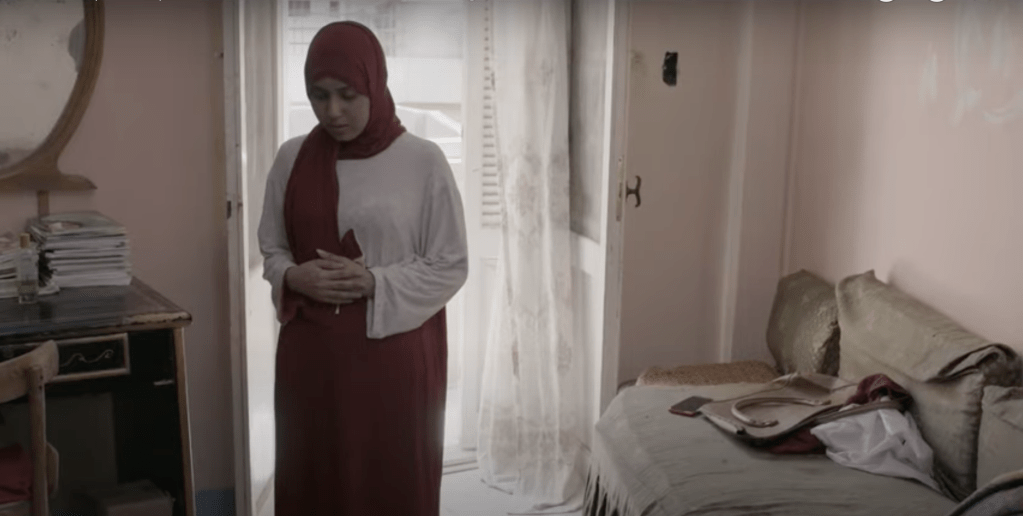
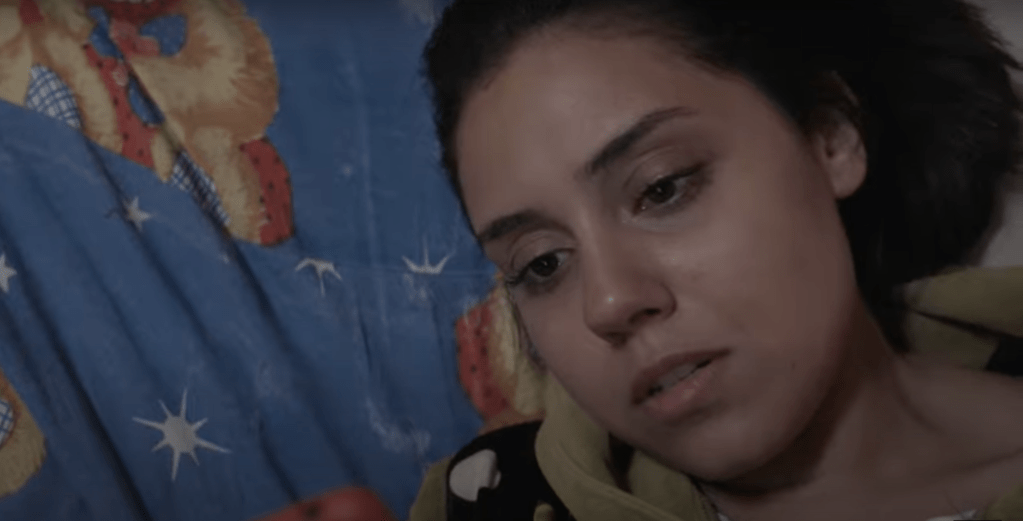
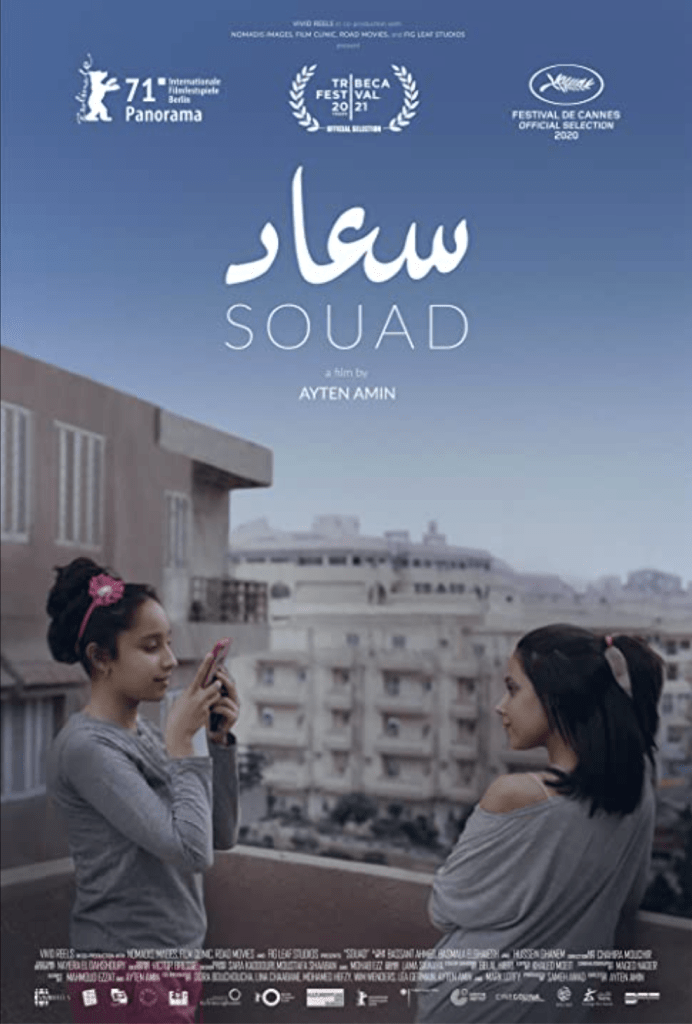
Opening in cinemas in the UK & Ireland on 27 August 2021,ย Souadย is a window into the world of a young โ€˜Generation Zโ€™ girl, growing up in a small city outside of Cairo as she struggles to conform to her strict family and cultural traditions whilst acting like a normal teenager, which is further complicated by her online relationships and persona.ย 

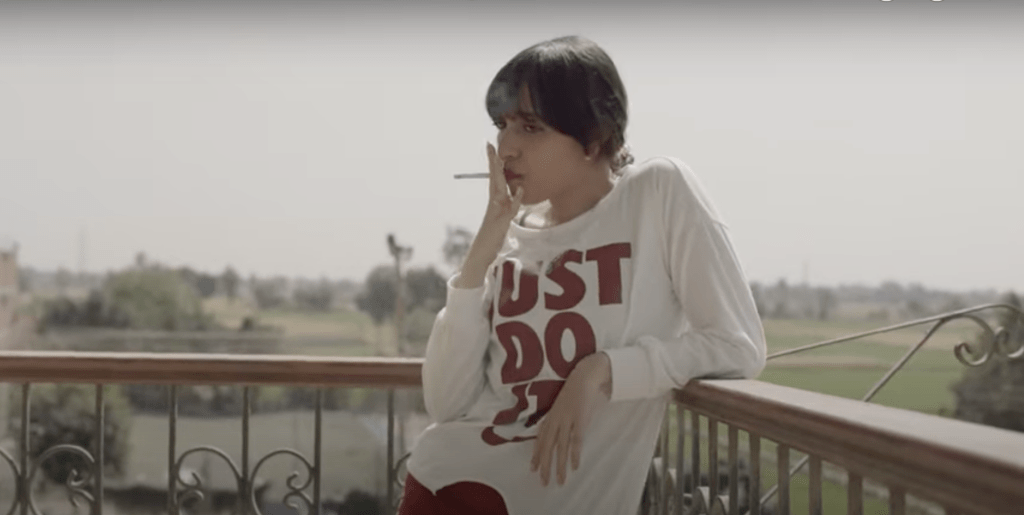
Souad (Bassant Ahmed) lives at home with her younger sister Rabab (Basmala Elghaiesh) and they share the same home-life predicament, a conflicting dual identity between living a respectful Muslim lifestyle and wanting to live life like carefree teenagers. We get intimate access to Souad and her friends’ conversations as we see them chatting openly in her bedroom, which is a breath of fresh air to see their bubbly conviviality away from the conservative demeanour shown in public. The film looks to highlight these differences and shows how they reveal themselves in different social situations, like Souadโ€™s reaction when chatting to her rebellious friend, who she thinks is behaving improperly because she smokes. She gives a harsh judgement, especially when Souadโ€™s righteous opinion belies her own far from perfect behaviour, as she lies about her relationships online and posts provocative images to her boyfriend on the internet. 

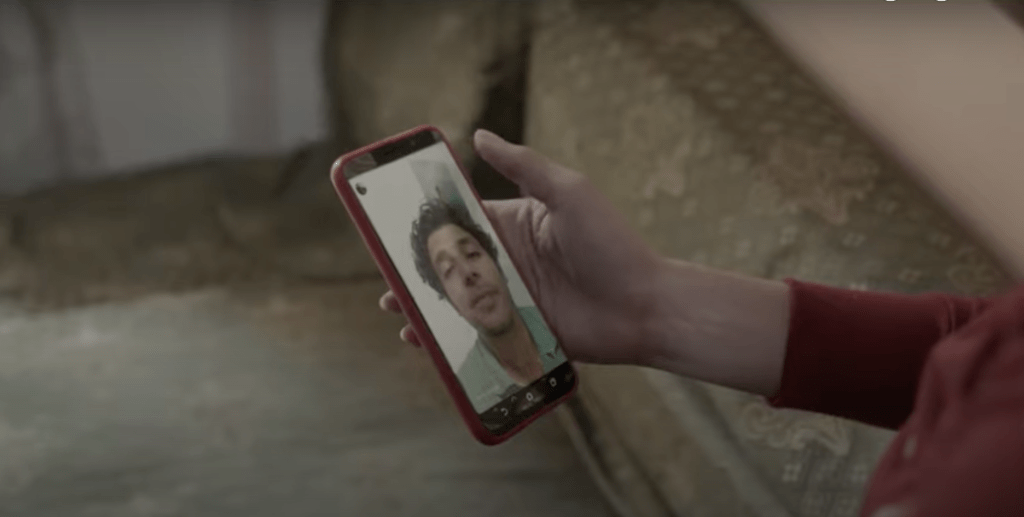
The online pressure to live a beautiful life is taking its toll on Souad’s emotional wellbeing. She is trying to maintain a virtual relationship with a guy from the big city Ahmed (Hussein Ghanem), having late night video calls but she is becoming increasingly anxious and frustrated whilst all the while Ahmed is carrying on with his actual fiancรฉ from a wealthy family in the city. Souad tries to figure out her teenage growing pains through expressing her emotions online until eventually tragedy strikes and the film flips on its head, going off in a totally different direction.

This is the second feature from female director Ayten Amin who has assembled a largely young female cast of unknown actors who, given the license to improvise some of the script, put in totally convincing performances. The cinematography adds another layer of natural realism moving closely with its subjects, capturing the contrasting landscapes of the rural Zagazig against the bustling city of Alexandria. Its empathetic storytelling gives you the feeling you are eavesdropping on the characters and although the sudden plot twist is not altogether surprising, it brings a dramatic change in tone to the movie which ends up feeling like you are watching two different films, but intriguingly so.

It’s a rites of passage film from the Middle East full of contrasting characters and conflicting ideals as Souad looks to find her identity mixed up in a modern digital world. The all girl ensemble has had some recent hits like โ€˜Girlhoodโ€™ that give a real sense of the place and the time and this is similarly engaging to see a story from Egypt, even if the dramatic change in plot left me somewhat bemused.

Film: Souad

Director:  Ayten Amin

Stars: Bassant Ahmed, Basmala Elghaiesh, Hussein Ghanem

Genre: Drama

Run time: 1hr 36min

Rated: PG

Rating: 3/5

Out of Death

Out Of Death is the latest instalment from Ily Films that brings Bruce Willis back to your screens as a bereaved cop taking timeout in a mountain retreat only to find himself caught up in the middle of a corrupt police department’s drug cartel. Available on Digital Download from 2nd August (pre-order here) & DVD from 4th October.

Kelly Greyson

After his wife’s recent passing, Jack (Bruce Willis) is staying at his brother’s log cabin up by a country lake and is greeted by his niece Pam (Kelly Greyson). She leaves him to head out into the mountains as he hopes to disconnect from the outside world, leaving his phone and badge behind but not his gun, after all there might be bears out there. Meanwhile photojournalist Shannon (Jaime King) is on her own memorial hike in the mountain trails in memory of her late father and is contemplating some quitting issues she needs to lay to rest. Whilst out trekking she witnesses a cop shooting, which turns out to be corrupt cop Billie (Lala Kent) killing a drugs mule after their shipment exchange goes wrong. Fellow bad cop Tommy (Tyler Jon Olson) is called out to help Billie track down the now fleeing photojournalist who caught the murder on camera. Fortunately for Shannon Jack arrives just in time to help her escape the pursing bad cops but this only brings out the dodgy town Mayor, Hank Rivers (Michael Sirow), to join the hunt to try to clean up the spiralling mess in his jurisdiction.

Jaime King and Bruce Willis

Directed by first time director Mike Burns there are lots of standout moments, sadly mostly for their ridiculous B movie performances. First up, the Deep South Hillbilly accents would have made any dialect coach cringe and Lala Kent’s role as the tough talking corrupt cop is the first sign that the film isn’t to be taken too seriously, closely followed by her dirty cop counterpart who has a steady flow of throw away one liners not to be missed. Then there is the pantomime villain Mayor, who is keen to get the situation under control whilst keeping a close eye on his electoral poster campaign. The violence and gore is also hard to forget even if it is at a minimum. The CGI sequence for the firing bullet is so bad it seems to obey its own spacetime continuum and this is just the beginning of a small number of, so bad they’re almost good violence and gore moments.

Lala Kent, Tyler Jon Olson and Bruce Willis

Overall it’s pleasantly shot and scored with more of a Dukes of Hazard TV series feel but without a car and on meths mixing genuine sentiment with some presumably deliberately bad carrying ons. The original music from Mike Burns and Jacob Bunton has some appropriately cheesy country music to go with it, which like the rest of the movie is some fun escapism in the Appalachian mountains to switch off for a couple of hours but not without a lot of caution.

Film: Out of Death

Director:  Mike Burns

Stars: Bruce Willis, Jamie King, Lala Kent

Genre: Crime / Thriller

Run time: 1hr 38min

Rated: 15

Rating: 2/5

July Worksheet

A Perfect Enemy

Click for film review with film language worksheets & audio:

A Perfect Enemy_Listening
A Perfect Enemy_Pronunciation1
A Perfect Enemy_Pronunciation2
A Perfect Enemy_Pronunciation3
Language content and exercises including reading, comprehension questions, vocabulary, discussion questions and pronunciation exercises.

Jaret Martino – Director Donna: Stronger Than Pretty

Interview with Jaret Martino the director of Donna: Stronger Than Pretty, a moving drama based on the true story about his mother’s struggle with domestic abuse whilst raising a family in Long Island, New York. Jaret has become a champion for women’s empowerment in the film industry.

(Listen to the audio here)

Please introduce yourself.

Hi Iโ€™m Jaret Martino, the director of Donna: Stronger Than Pretty.

Tell me about your film that has just been released.

Itโ€™s actually released on iTunes Donna: Stronger Than Pretty, July 24th available everywhere worldwide where you buy and rent movies. 

So, Donna is my mother, so it is my motherโ€™s true story and itโ€™s her journey of her escape of domestic violence but more than that the journey of a woman finding her voice.

A very personal story but maybe one that would be kept private. So, how did the film come about?

I think that you just touched upon a big inspiration that it is very much kept private a lot of the time and weโ€™ve seen movies, different versions of this story but I really wanted to focus on the empowerment of leaving, creating a life for yourself and your children because thatโ€™s what I watched our mum do. She really focused on the positive part of rebuilding her life and making a life for herself and her children.

We donโ€™t really see that. We see film and TV playing into the stereo types and stigmas of domestic violence. I think it takes films like this and art to help undo 1,000s of years of damage because women have been held back from men for a really long time.

At first my company is very much about hiring females, I was adamant about a female director, but I really wanted it to be my mumโ€™s authentic true story so I ended up directing the film because I wanted it to be her true story. Other directors wanted to stamp their pain on it which is fine for another story just not this time around.

I have produced 20 other projects that weโ€™ve hired all predominantly female crew on and minorities so focusing on diversity and inclusion is a big thing for us.

Could you go into more detail about the film and how you made the film and how you cast the film?

You know, it was definitelyโ€ฆI wrote the film almost as a journal entry but I wrote it in screenplay format, since Iโ€™ve been an actor since I was a kid, it was just the easiest way to get it down. I wrote it between two flights. I was travelling back and forth to New York between New York and LA at that point. So we ended up doing a stage reading almost 8 years ago now and a lot of the key cast like Kate Amundsen who plays Donna and Anthony Ficco who plays Nic, the two stars and a lot of other people have stayed on board with us for the past 8 years, which as many know in the industry thatโ€™s not typical. So it was really important to me because they all became an extended family. It went from a stage reading to table reads, multiple table-reads after that for notes and the short film which premiered at the Indie Lounge at Sundance and it kind of went worldwide with that to different festivals and that really created our partnership with the national coalition against domestic violence where my mum and I spent a lot of time getting to know everybody there helping and we spoke at the conference in 2017 in front of 1000 advocates.

It was really in that moment that I โ€ฆ besides it just being a passion project to get my motherโ€™s story out there I was one of 3 guys out of 1000 advocates, you know it was predominantly female in that room so I just knew there needs to be more done. There needs to be more men coming to the table to talk about this and to talk about a subject that doesnโ€™t getโ€ฆyou know gets swept under the rug too often.

So we band together and made the feature film happen and Kate got to walk in my motherโ€™s footsteps. She actuallyโ€ฆmy mum gave up her bed, she slept in my mumโ€™s room while my mum was at her parentโ€™s house. So Kate really, it came full circle, she got to see Donnaโ€™s actual home, and what she created and we shot some of the scenes, the later scenes after she becomes a teacher and she starts making and building that home.

So it was incredible for Kate as an actor to doโ€ฆto be able to be a part of that, and you know really special for us and the family to, really hard, obviously difficult to be on set as the director I was reliving a lot of moments that are very vivid for me. Soโ€ฆbut as hard as it was, you know I was hyper focused on the mission of helping other people escape their situations. So…butโ€ฆIt was definitely one of the most difficult things Iโ€™ve ever done in my life. Going from director to then I had to play myself at one point later on in the film. Soโ€ฆit was pretty wild. I never give that adviceโ€ฆyou know I think each job is so unique, so I donโ€™t really like to do the cross-over and I donโ€™t promote that and Iโ€™ve seen people sabotage their projects doingโ€ฆjuggling all those really big jobs. I just was left no choice because we had to do character matches and we were under budget constraints and things like that.

Iโ€™m really proud of it, you know itโ€™s part of my mumโ€™s legacy. She passed away unfortunately this past September 3rd of 2020 rather quickly of pancreatic cancer. Soโ€ฆit wasโ€ฆShe never actually got to see the release of the film. Because ultimatelyโ€ฆshe got to see the premiere and like starting the festival rout, butโ€ฆand she knew that the film was getting distribution but she didnโ€™t make it to the distribution date.

(Audio End)

Itโ€™s an amazing tribute and dedication. The locations showed the difficult times as well as the huge mansions you lived in. Were they a true reflection?

Definitely, I mean I think you know that is a big part of the history, Iโ€™m really proud of creating like a time capsule with this film too, so much has changed just in the past couple of years.  A big thing on the east coast, is that all the time everyone settled in Brooklyn in the inner cities, so moving out to Long Island was very much part of my mumโ€™s upbringing. Her parents, like many parents, moving from Brooklyn in the boroughs out to the suburbs because there was more space. She grew up in I think a one bedroom apartment and they had a ton of family over, they had the big Italian Sunday dinners and theyโ€™d all just squeeze in and make it work. They all moved out eventually as the families grew and a lot of people ended up on Long Island, where there was just more room and bigger houses. So that definitely matches my mumโ€™s true story as well.

There are some strong New York accents which match with your mum who speaks at the end of the film.

Thatโ€™s a compliment to Kate and Anthony because they actually are both not from New York they are both from or grew up on the West Coast. So theyโ€™ll be happy to hear that. It was fun, we had over 200 actors, there is such a wealth of talent in New York City, a lot of theatre trained actors, it was really fun to get back to the East Coast myself because Iโ€™ve been in L.A.

The relationship between the 2 lead actors show how things donโ€™t always go the way you want them to in life and love, and the relationship starts in a slightly wild way.

Which was fun for my mum, a lot of women can relate to, she grew up in a catholic school, she has a catholic school background. You know meets this fun eccentric guy who was kind of a little dangerous and mysterious to her. Kate and Antony got to know my mum really well and the family and our co-writer Pat Branch spoke to my mum at length and read her journal, her actual journal entries through that time. Thankfully Pat came on board and I didnโ€™t have to dive into that too much because I felt I knew enough and I had so much on my plate, that I didnโ€™t want to know any more of the details but that really helped Pat finesse the story and pull it together and make it the screen play that it is. I wrote the heartbeat of it, but it was 150 pages and it was an enormous job to get everything in there and bring it down to ultimately 97 pages and thatโ€™s really with the help of Pat Branch, sheโ€™s a WGA screen writer and she became, she likes to say, she is an honorary Martino now, and is part of the family now. She has been through every major and even the little details too, she has really been a part of the whole making of the film.

Anthony plays the bad guy, your dad, but there was also a charming side too.

What I liked about Anthony, what I always said, he didnโ€™t play him trying to demonise him, we never wanted to demonise the character because itโ€™s about conditioning. So my dad didnโ€™t necessarily want to become that. He does have a good heart, he wanted better but he just didnโ€™t know better because he watched his dad do the same thing and thatโ€™s very much a part of the story. I think thatโ€™s the biggest message for men that donโ€™t want to abuse, itโ€™s a really good look into how you can become your parents really quickly. 

And then for women you know the biggest message is, it is not your fault. I think that you know you always try to drive that home and now Iโ€™ve worked with 1000s of domestic violence victims and trying to turn the victims into survivors. I think thatโ€™s the most crucial point because emotional, verbal, physical, financial abuse really has them broken down and they lose their sense of selflove and you know I think that definitely is the biggest thing for women to walk away with, that they are valuable and that their heart matters, their voice matters and it is not their fault even though they might have gone through this situation and maybe even contributed in certain ways. It becomes a cycle and a pattern and that is the hardest part to break because there is love there. No one is going to fall in love with somebody that slaps them in the face immediately on the first date, that just doesnโ€™t typically happen, thatโ€™s not the real life version of how people get caught in these toxic situations.

Coming from a broken home with divorced parents is quite common unfortunately

I have a different perspective on it because we thought we were the richest kids on the block. My mum filled the house with love, we did everything and more. It might have been free – free theatre or free events. She was always finding things to do, so she very much walked away from a different lifestyle in terms of the support and what she could have had easier but we gained so much, so much love and respect and really grounding and values. I looked back on my childhood and I think that was really a huge inspiration for making the film that my mum just did such a remarkable job.

The wardrobe stood out as something important to show as part of your mumโ€™s story

My mum made her own clothes, she made our clothes, we matched on Easter Sunday. She still made it all happen which was part of the beauty about who she is. So that was definitely important and I happened to be blessed with a neighbour who was a vintage costume designer and had a whole load of really beautiful pieces and then we just went to the thrift stores locally and pulled from the shops and it was just a lot of fun. Kate actually loves that era, her essence is the 70s, so she definitely kind of encapsulated that.

It was a long film that includes interviews with your mum at the end. Was it hard to leave anything out?

It was only 97 pages ultimately, but once you put all the B roll in there and everything and when you span 40 years, it is really hard and we needed to tell this story beginning to end because of the conditioning part of it. Getting the sense of the 60s, the 70s, the 80s, the 90s was really, really important because it shows how far weโ€™ve come but it also shows how much more work we need to do here in 2021.

For more about Donna: Stronger than Pretty go to www.donnathemovie.com

Film: Donna: Stronger Than Pretty

Director:  Jaret Martino

Stars: Kate Amundsen, Anthony Ficco, Catharine Daddario

Genre: Drama

Run time: 1hr 50min


Mosley: It’s Complicated

Mosley: Itโ€™s Complicated is a F1 Motor Racing sports documentary with a difference as it looks at one of the leading figures that has made the sport what it is today but who himself has had his own chequered past filled with controversy and scandal. Available to watch in selected UK Cinemas from 9th July, with tickets available here and available on Blu-ray, DVD & Digital Download from 19th July.

This is the story of Max Mosley, the recently passed away Formula 1 motor racing pioneer, as influential and high profile a figure as you can get in the racing industry. It features interviews from some of the most important figures in motorsport, like his long-time pal and collaborator Bernie Ecclestone, and documents some of the most historic developments of F1 through the life story of this major British influencer at its heart. 

Over the 1 hour 35 minutes it retells how he first got into racing as a driver himself in a quite random fashion before retiring relatively early due to safety concerns. He would then go on to begin his own start up Formula 1 team at March with a pal from Uni and, from an old disused dairy factory, they turned the Formula One industry on its head by outperforming all of the leading manufacturers. Later on in his career he would become instrumental in the development and safety improvements of what we now know as modern Formula One racing and eventually hold the top position as president of the FIA (Formula One Association).

As well as being admired and respected he was vilified by the media and made several enemies in the racing industry not least during the infamous F1 Spy-gate scandal between Ferrari and McLaren. Here he tries to put the record straight as he talks about his family’s dark history and their association with Hitler and fascism (Hitler and Goebbels actually attended his father’s wedding). This marked his early years and put a halt to an ill-fated brush with politics but that tumultuous beginning would return to haunt him towards the end of his career. He was caught up in an incredible entrapment scandal with the media after being captured on camera having sex with 5 prostitutes with an alleged Nazi theme. A privacy battle ensued that saw him significantly involved in the government’s Leveson inquiry that shook the celebrity and media world regarding the level of media snooping.

Most remarkably in his story is how much of his time he’s dedicated to car safety and not just in Formula One. He’s helped turn around a highly dangerous sport into one with incredibly high safety standards by comparison and not just in motorsport but also in car manufacturing as a whole through establishing a properly regulated crash testing system.

It’s a fascinating insight into a sporting legend, who has worked prolifically behind the scenes of one of the most glamorous and richest sports on the planet, dedicating his time to the far less glamorous aspect of its driver safety. He still manages to leave a questionable legacy, in a story that skims through a life full of political and legal intrigue that continues to be of paramount importance today.

Film: Mosley: It’s Complicated

Director:  Michael Shevloff

Stars: Max Mosley, Bernie Ecclestone, Flavio Briatore, Gerhard Berger

Genre: Documentary / Sport

Run time: 1hr 35min

Rated: 15

Rating: 3/5
A Perfect Enemy

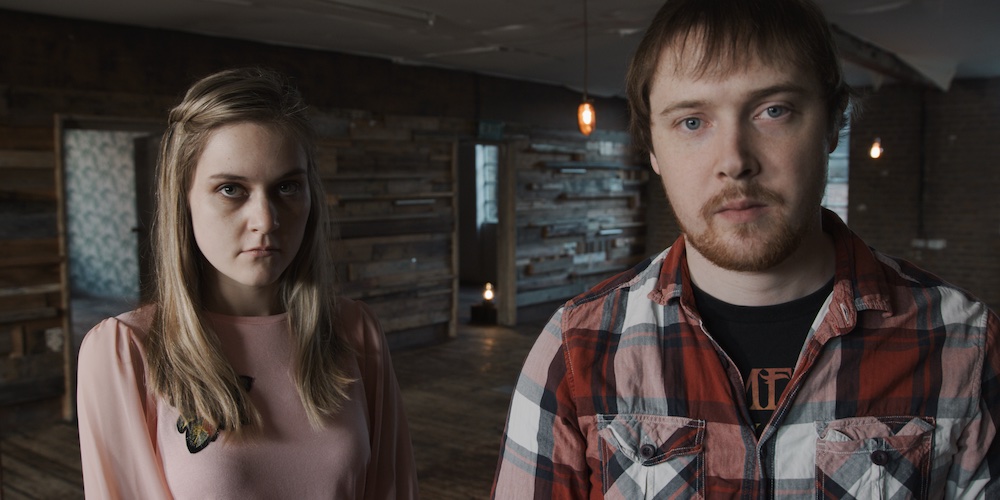
Available on digital download from 5th July, A Perfect Enemy is a psychological thriller based on the book by Amรฉlie Nothomb. A Spanish, French and German co-production filmed in English, it’s the story of a successful architect Jeremy Angust (Tomasz Kot) who is on a business trip to Paris but when he helps a young girl on his return trip things take a sinister and criminal turn.

The film begins with Angust concluding a grandiose presentation in front of a packed out auditorium, giving a rapid fire summary of his architectural journey and his search for perfection. Afterwards he is met off stage by some photographers and fans for a book signing before he is duly whisked away to catch a flight, but not before letting us know about the painful loss he experienced in the city of Paris (the venue of his presentation) and how he still misses his wife (Marta Nieto) that had left him 20 years ago. On the way back to the airport, in the pouring rain, a young girl Texel Textor (Athena Strates), approaches his chauffeur driven car parked in traffic to plead for a lift to the airport and despite his own lateness he decides to help her out. As a consequence they both miss their flights and end up in the airport lounge.

The girl won’t leave Angust alone and she is annoyingly difficult to ignore, which soon makes you wonder is there more to their chance meeting and is there something Angust would like to hide? Despite his despair at the situation he gives in under Texel’s persuasion to have a drink at the airport lounge but when they start talking Texel’s stories then take things in a dark direction. As the events unfold, they are being creepily replayed inside the toy model of the airport, which Angust had designed himself, sinisterly re-enacting the crime, like a playhouse theatre.

Directed by Spanish director Kike Maillo, tasked with blending together the reality sequences with the storytelling flashbacks, it doesn’t always fully grip the imagination but still manages to create an unsettling atmosphere with some highly creative abstract scenes as he explores the psyche of his protagonist. The airport provides a simple setting for the stories to be told from and there are other nice locational shots in particular the Parisian graveyard here denoted as Monmartre (but credited as the famous Pรจre Lachaise Cemetery).

Interestingly, it is an international co-production and an international cast performing a script written in English with European accents. This perfectly suits the setting for an international business conference and airport. Tomasz is a middle aged, lean version of an Arnold Schwarzenegger with an Eastern European accent and Athena Strates tries a Dutch accent as the petite blonde Texel (a South African actress by birth) that establishes a sense of these foreign strangers meeting and conversing slightly uncomfortably in English.

As a psychological thriller there are some strange looking mismatches in characters along with some far fetched stories, which makes the film slightly bewildering if not intriguing as it switches between Hitchcock suspense and Wes Anderson fantasy. It isn’t helped by a rather clunky script but it does have some interesting lines and manages to show some imaginative qualities along the way.

Film: A Perfect Enemy

Director:  Kike Maillo

Stars: Tomasz Kot, Marta Nieto and Athena Strates

Genre: Crime / Thriller

Run time: 1hr 30min

Rated: Unrated

Rating: 3/5

June Worksheet

Piccadilly (1929)

Click for film review with film language worksheets:

Piccadilly_Listening
Piccadilly_Pronunciation1
Piccadilly_Pronunciation2
Piccadilly_Pronunciation3
Language content and exercises including reading, comprehension questions, vocabulary, discussion questions and pronunciation exercises