Mosley: It’s Complicated

Mosley: It’s Complicated is a F1 Motor Racing sports documentary with a difference as it looks at one of the leading figures that has made the sport what it is today but who himself has had his own chequered past filled with controversy and scandal. Available to watch in selected UK Cinemas from 9th July, with tickets available here and available on Blu-ray, DVD & Digital Download from 19th July.

This is the story of Max Mosley, the recently passed away Formula 1 motor racing pioneer, as influential and high profile a figure as you can get in the racing industry. It features interviews from some of the most important figures in motorsport, like his long-time pal and collaborator Bernie Ecclestone, and documents some of the most historic developments of F1 through the life story of this major British influencer at its heart. 

Over the 1 hour 35 minutes it retells how he first got into racing as a driver himself in a quite random fashion before retiring relatively early due to safety concerns. He would then go on to begin his own start up Formula 1 team at March with a pal from Uni and, from an old disused dairy factory, they turned the Formula One industry on its head by outperforming all of the leading manufacturers. Later on in his career he would become instrumental in the development and safety improvements of what we now know as modern Formula One racing and eventually hold the top position as president of the FIA (Formula One Association).
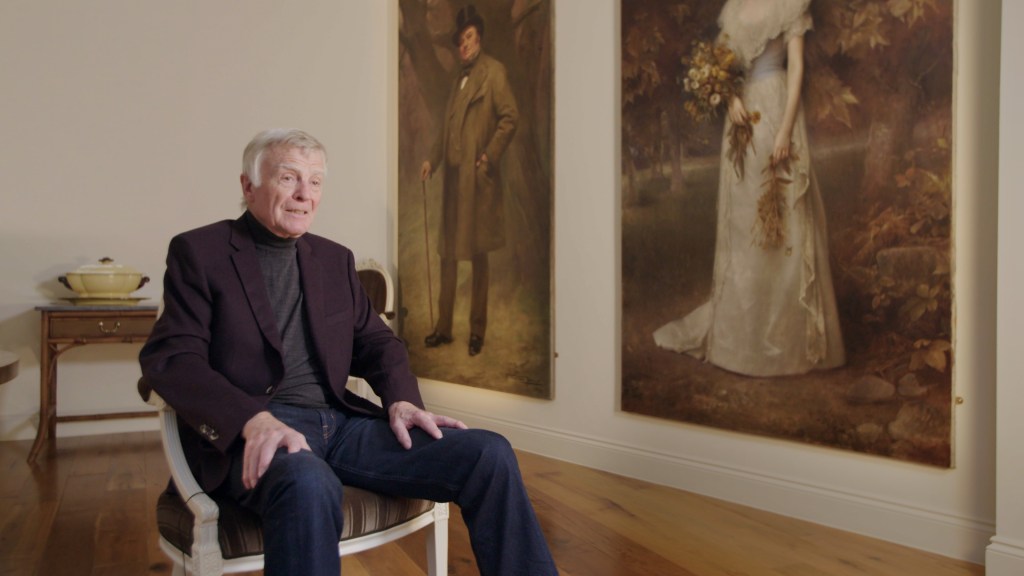
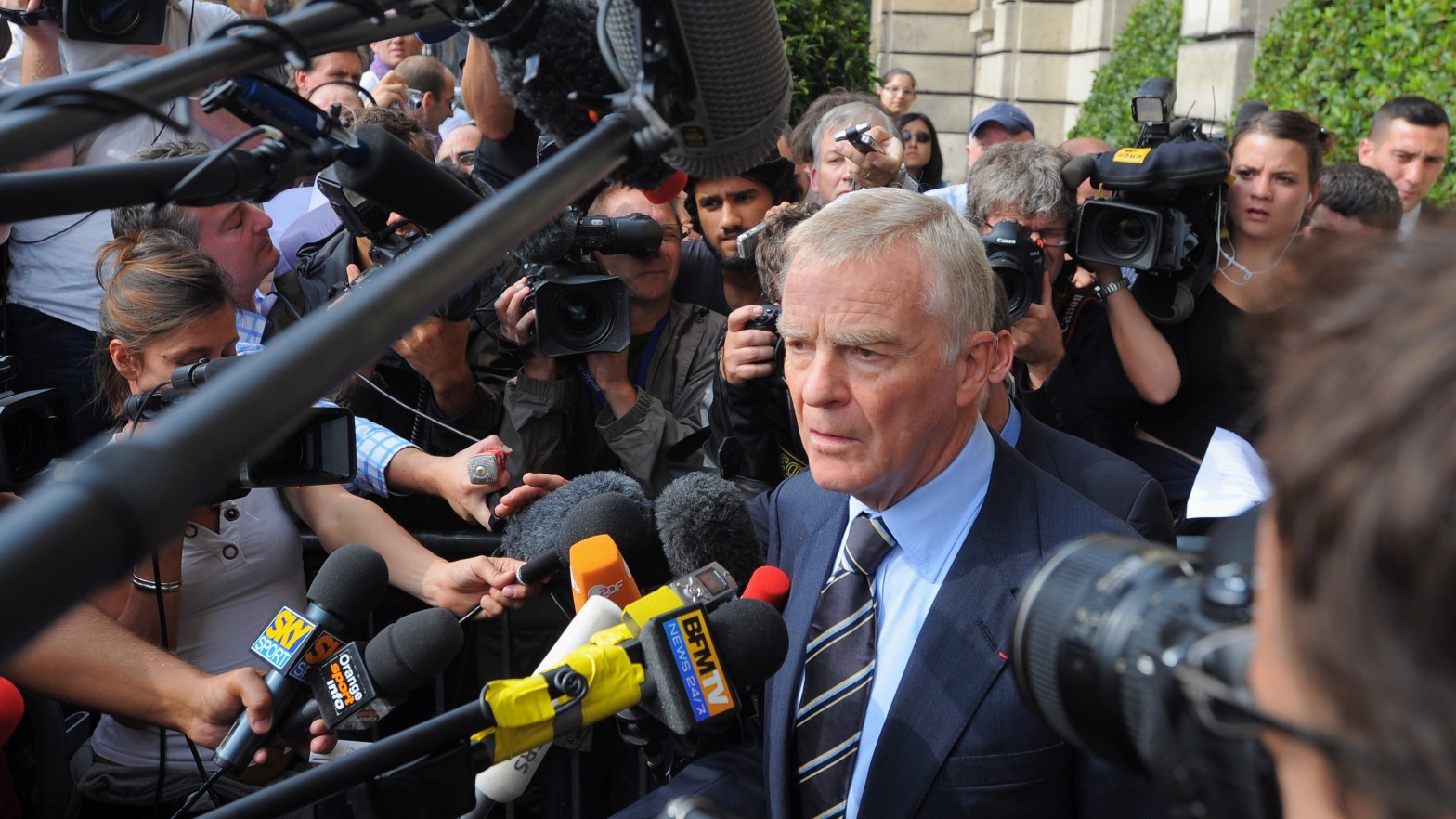
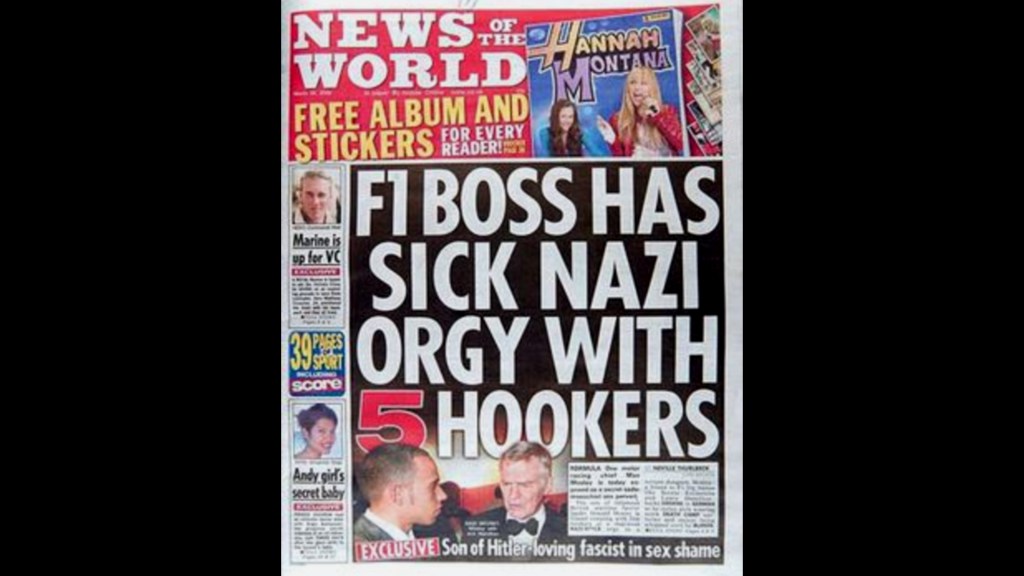
As well as being admired and respected he was vilified by the media and made several enemies in the racing industry not least during the infamous F1 Spy-gate scandal between Ferrari and McLaren. Here he tries to put the record straight as he talks about his family’s dark history and their association with Hitler and fascism (Hitler and Goebbels actually attended his father’s wedding). This marked his early years and put a halt to an ill-fated brush with politics but that tumultuous beginning would return to haunt him towards the end of his career. He was caught up in an incredible entrapment scandal with the media after being captured on camera having sex with 5 prostitutes with an alleged Nazi theme. A privacy battle ensued that saw him significantly involved in the government’s Leveson inquiry that shook the celebrity and media world regarding the level of media snooping.
Most remarkably in his story is how much of his time he’s dedicated to car safety and not just in Formula One. He’s helped turn around a highly dangerous sport into one with incredibly high safety standards by comparison and not just in motorsport but also in car manufacturing as a whole through establishing a properly regulated crash testing system.

It’s a fascinating insight into a sporting legend, who has worked prolifically behind the scenes of one of the most glamorous and richest sports on the planet, dedicating his time to the far less glamorous aspect of its driver safety. He still manages to leave a questionable legacy, in a story that skims through a life full of political and legal intrigue that continues to be of paramount importance today.

Film: Mosley: It’s Complicated

Director:  Michael Shevloff

Stars: Max Mosley, Bernie Ecclestone, Flavio Briatore, Gerhard Berger

Genre: Documentary / Sport

Run time: 1hr 35min

Rated: 15

Rating: 3/5

A Perfect Enemy

Available on digital download from 5th July, A Perfect Enemy is a psychological thriller based on the book by Amélie Nothomb. A Spanish, French and German co-production filmed in English, it’s the story of a successful architect Jeremy Angust (Tomasz Kot) who is on a business trip to Paris but when he helps a young girl on his return trip things take a sinister and criminal turn.

The film begins with Angust concluding a grandiose presentation in front of a packed out auditorium, giving a rapid fire summary of his architectural journey and his search for perfection. Afterwards he is met off stage by some photographers and fans for a book signing before he is duly whisked away to catch a flight, but not before letting us know about the painful loss he experienced in the city of Paris (the venue of his presentation) and how he still misses his wife (Marta Nieto) that had left him 20 years ago. On the way back to the airport, in the pouring rain, a young girl Texel Textor (Athena Strates), approaches his chauffeur driven car parked in traffic to plead for a lift to the airport and despite his own lateness he decides to help her out. As a consequence they both miss their flights and end up in the airport lounge.

The girl won’t leave Angust alone and she is annoyingly difficult to ignore, which soon makes you wonder is there more to their chance meeting and is there something Angust would like to hide? Despite his despair at the situation he gives in under Texel’s persuasion to have a drink at the airport lounge but when they start talking Texel’s stories then take things in a dark direction. As the events unfold, they are being creepily replayed inside the toy model of the airport, which Angust had designed himself, sinisterly re-enacting the crime, like a playhouse theatre.

Directed by Spanish director Kike Maillo, tasked with blending together the reality sequences with the storytelling flashbacks, it doesn’t always fully grip the imagination but still manages to create an unsettling atmosphere with some highly creative abstract scenes as he explores the psyche of his protagonist. The airport provides a simple setting for the stories to be told from and there are other nice locational shots in particular the Parisian graveyard here denoted as Monmartre (but credited as the famous Père Lachaise Cemetery).

Interestingly, it is an international co-production and an international cast performing a script written in English with European accents. This perfectly suits the setting for an international business conference and airport. Tomasz is a middle aged, lean version of an Arnold Schwarzenegger with an Eastern European accent and Athena Strates tries a Dutch accent as the petite blonde Texel (a South African actress by birth) that establishes a sense of these foreign strangers meeting and conversing slightly uncomfortably in English.

As a psychological thriller there are some strange looking mismatches in characters along with some far fetched stories, which makes the film slightly bewildering if not intriguing as it switches between Hitchcock suspense and Wes Anderson fantasy. It isn’t helped by a rather clunky script but it does have some interesting lines and manages to show some imaginative qualities along the way.

Film: A Perfect Enemy

Director:  Kike Maillo

Stars: Tomasz Kot, Marta Nieto and Athena Strates

Genre: Crime / Thriller

Run time: 1hr 30min

Rated: Unrated

Rating: 3/5

June Worksheet

Piccadilly (1929)

Click for film review with film language worksheets:

Piccadilly_Listening
Piccadilly_Pronunciation1
Piccadilly_Pronunciation2
Piccadilly_Pronunciation3
Language content and exercises including reading, comprehension questions, vocabulary, discussion questions and pronunciation exercises

Piccadilly (1929)

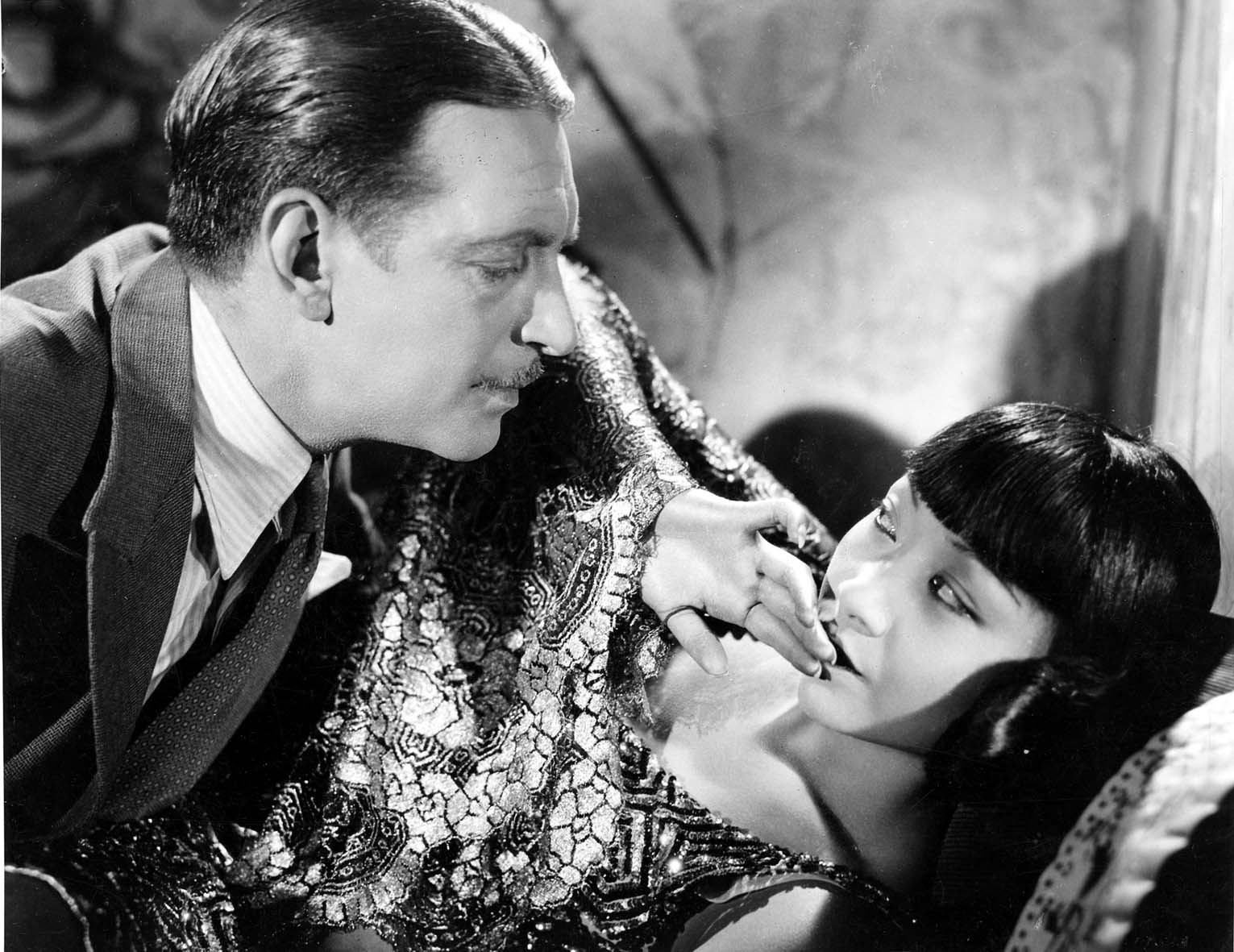
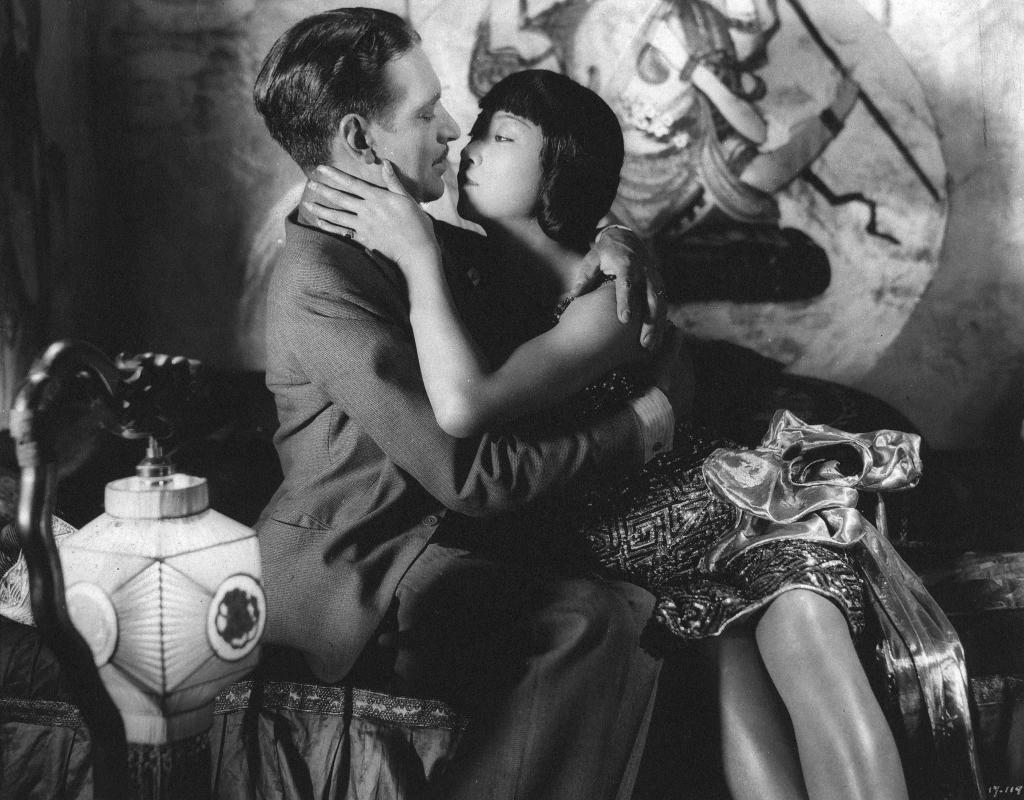
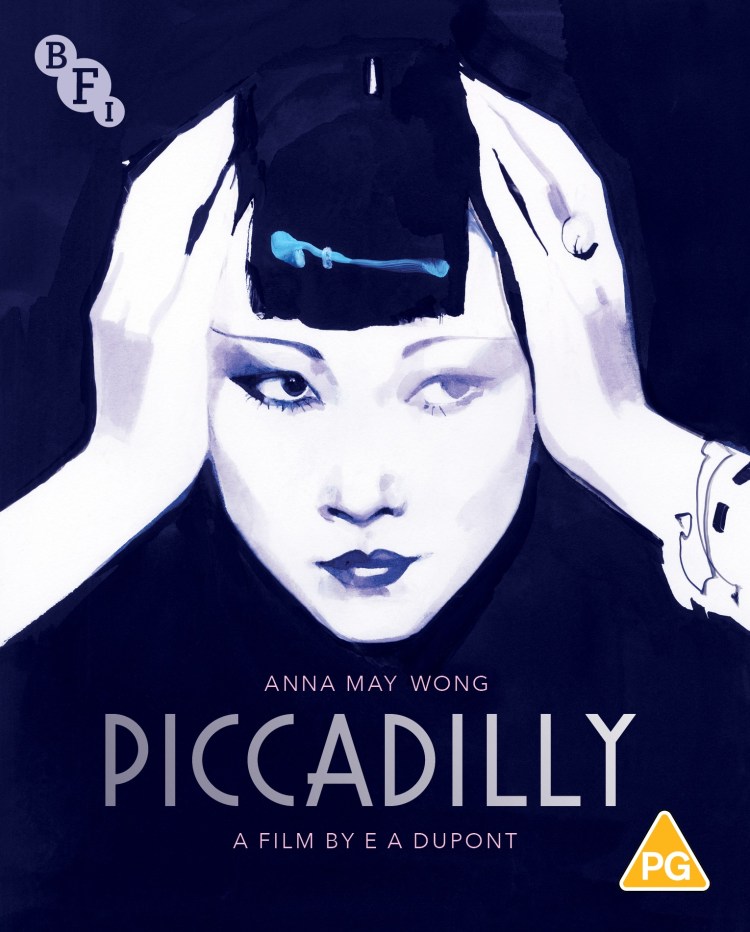
Piccadilly (1929) is a silent movie based on the glamorous world of a London revue bar and the entangled relationships behind its inner workings with spurned love, rivalry and jealousy that results in murder. This is a newly restored High Definition deluxe edition complete with an array of video extras now available on Blu Ray from the BFI online store.

The film’s story centres around the Piccadilly Club and its owner Valentine Wilmot (Jameson Thomas). The club’s high society clientele come to drink and dine at this decadent venue whilst being entertained by its top dance act Mabel (Gilda Gray) and Victor (Cyril Ritchard). Its auspicious setting is a perfect platform for the dance couple to show off their star qualities but when the music stops we find an awkward love tryst between Victor, Mabel and Valentine, where each in turn spurns the other’s advances. It is Victor, the lead dancer, who brings the girls to the venue but Mabel rebuffs his advances, seeking instead the attention of the proprietor Valentine, who has his own more pressing concerns of the business.

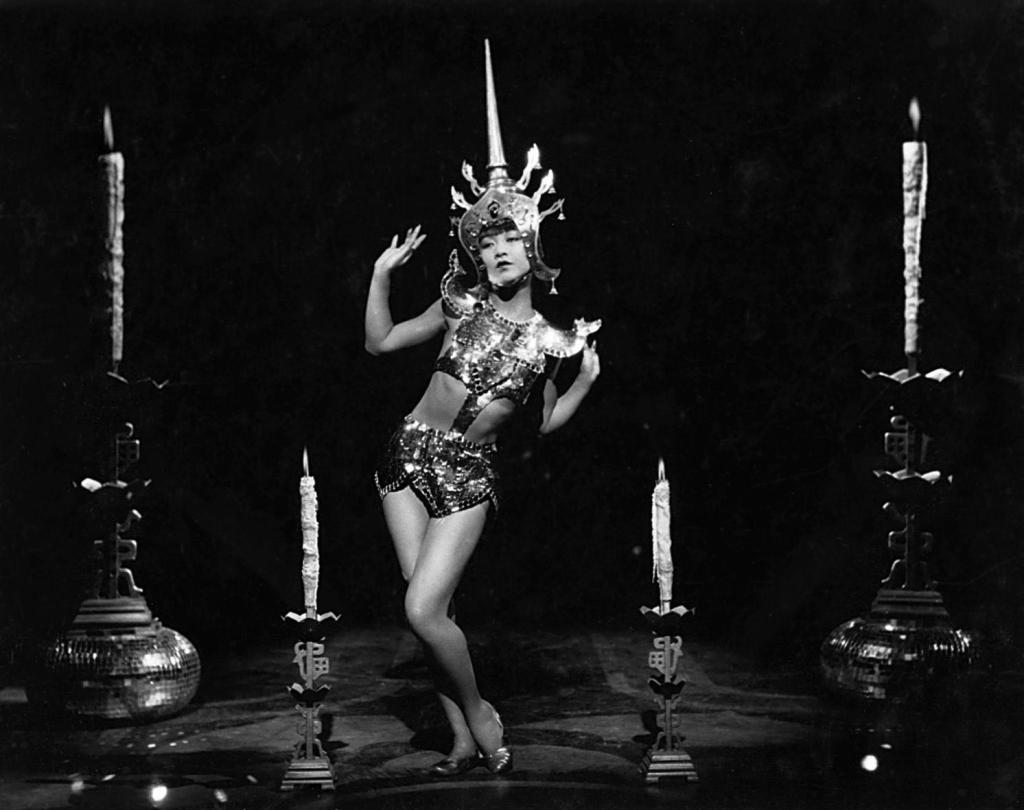
The pressures of running the club are put to the test when a commotion from a dissatisfied customer in the restaurant interrupts Mabel’s dancing and Valentine has to return a dirty plate to the kitchens. There he finds a kitchen-hand Shosho (Anna May Wong) dancing on the tables for the entertainment of the kitchen staff. She is instantly dismissed and sent home, but when the business’ takings begin to suffer after Victor quits for America, Valentine hits upon the idea of introducing a new exotic dance act, Shosho, to lift the club’s failing fortunes. This of course can only further inflame the increasingly neurotic emotions of Mabel as Valentine goes out of his way to make his new exotic act a success, and becomes increasingly infatuated.

The film’s opening title sequence of the bright lights of London’s West End in black and white set the scene as the credits arrive on the side of London buses. The glitz and glamour of the club is modelled on the famous Cafe de Paris and dazzles with dance hall opulence that includes a twin staircase, balcony view, band stand and ornate flooring. Combined with a classic silent movie big band score, it is very much in keeping with the burgeoning jazz scene of the time. The charmingly dated dance sequences, although pedestrian at best, still manage to hold a sensual allure and Victor does a vintage dance routine for the camera, that is special in its own timeless way.

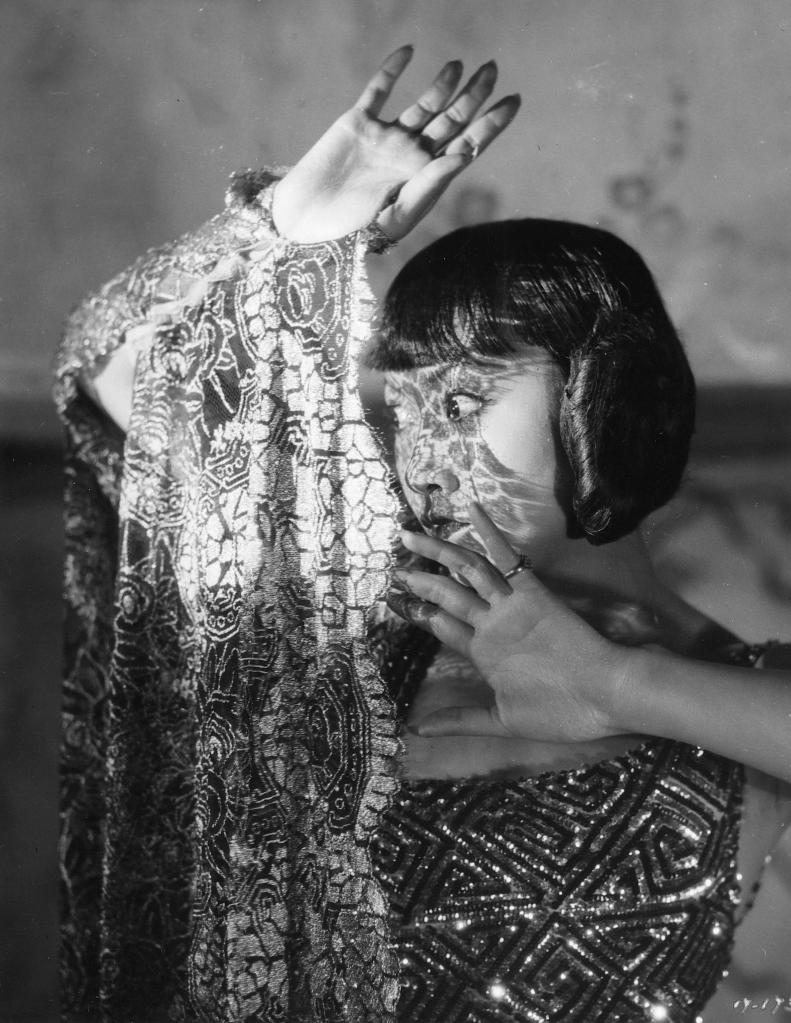
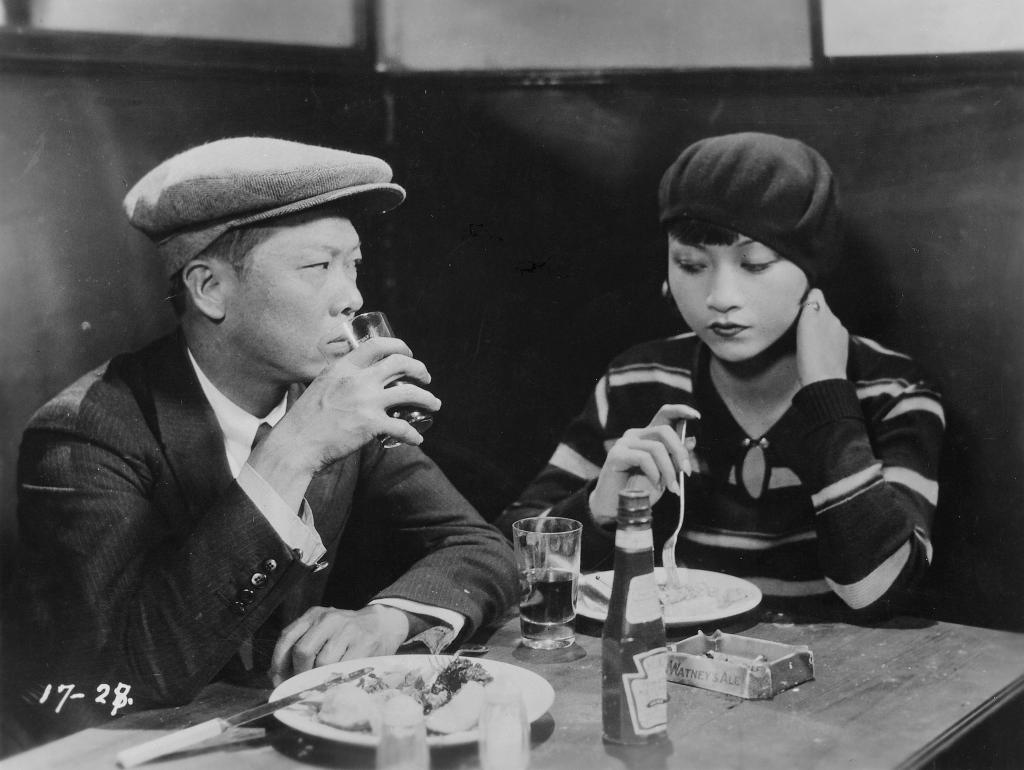
Written by Arnold Bennett who is known best for his work about class, poverty and race the film contrasts the glamour of the West End scene with the working class diners and homes in the surrounding areas of an already cosmopolitan London. Anna May Wong who plays Shosho brings great style and poise to her role. She is recognised as the first Chinese American actress to become a big Hollywood star and shows why she was internationally renown as a fashion icon, and in one of the last silent movies ever made, where suggestion and intimation are powerful tools, she gives a delightfully skilled performance.

Despite its sexual noirish tone there are some lighter moments of humour too like the amusing scene played by Charles Laughton as the irate diner who complains about the offending dirty dish. He looks so like Mr. Creosote from the famous Monty Python sketch he can only have been its inspiration. There is also Shosho’s chaperone Jim (King Hou Chan) who is asked to model her show costume to get Valentine to buy it, and in doing so provides a very early tribute to the Soho drag artists.

It is a nicely shot film which has easy to follow silent movie captions that for its time must have raised a few eyebrows with its racial and sexual themes, but it manages to poke fun at itself too with an old fashioned British sensibility and humour towards the superficial nonsense that is driving its characters towards murder, all encapsulated by its sympathetic jolly jazz band soundtrack.

Film: Piccadilly

Director:  E A Dupont

Stars: Anna May Wong, Gilda Gray, Jameson Thomas, Charles Laughton

Genre: Crime / Drama

Run time: 1hr 32min

Rated: PG

Rating: 3/5
Piccadilly can be pre-ordered from the BFI Shop directly here.

Interview – Rom Boys: Forty Years of Rad

Rom Boys: 40 Years of Rad will be screened at the opening night of The Romford Film Festival on 24th June and is available on digital download here: https://geni.us/RomBoys 

DIRECTOR Matt Harris & PHOTOGRAPHER ‘Monkeyglove Matt’

Q&A Matt Harris – Director

How did the documentary come about?
Around six years ago I was looking for a place to take my daughter on her scooter one sunny summer afternoon when I remembered Rom from my childhood and wondered if it was still open. On arriving I noticed the place was full of older guys in their forties and fifties and very few kids.  On talking to them I realised they were all great characters and then someone said the park was heritage listed. I did a bit of research, was advised to speak with Professor Iain Borden from UCL (University City of London), who is the world’s leading historian on skateparks and skateboarding, and the rest as they say is history.

What were your biggest challenges?
Finding the story. I was shooting and interviewing people for around three years not really knowing what the narrative was going to be, then the fire happened and everything kind of fell into place in terms of a structure; you know a proper beginning, middle and end.

Why is the story important?
Rom is the only ‘proper’ skatepark in the world that has a heritage listing. Think about that, it’s in the UK, NOT California, widely considered the birthplace of skateboarding. That’s pretty incredible if you think about it. As such English Heritage recognises its importance (it has recently been placed on the “Heritage at Risk” register) and so this story goes some way to telling people that heritage isn’t just about castles and cathedrals, it can also be about community spaces that hold a wide appeal to a certain sub-culture that people may be unfamiliar with.

What did you like most about making the documentary?
Meeting and making friends throughout the whole process. Spencer was the first person who spoke to me at Rom when I first visited with Emma and we’re now both directors of the CIC trying to get Rom back on its feet, also I go for breakfast most Sunday’s now with Dion. Getting to interview Lance Mountain in LA with Adam Wittaker was a real highlight – and of course not forgetting The London Police, where Chaz came to the premiere in Paris on what ended up being a very crazy night!

Q&A ‘Monkeyglove Matt’ – Photographer

When did you start skating and what does skating mean to you?
’86. Had breaks over the years but started back up in 1999 and have not stopped since. No plans to stop. 49 this year. Skating to me is escapism a freedom that you just can’t buy.

When and why was the park built?
Summer of ’78. It was the boom of skateboarding introduced to the UK from the USA.

What is special about its architecture?
The architecture is unique and considering how long ago it was built it still provides a challenge to riders today. Adrian Rolt from G-force (designed the park), a skatepark design company, who were the market leaders in the late seventies. It’s challenging because its rough, steep and deep.

Why is the park important socially & culturally?
It’s important in lots of ways as a cultural home of skateboarding & BMX. So many people have walked through that door over the years. Friendships have been built here that last a lifetime. The way it has taught people to ride and they have taken that onto other terrain. It stays with you and even if you have never been if you watch the movie you will get the feeling that you should go one day. It does draw you in.

Why would people object to the park or why aren’t there more?
People would object if they thought it would be better suited as a supermarket or a large multi-storey car park I guess but that’s missing the point, it’s not about the money. There are lots of parks now and they are free which has impacted the likes of Rom.

Who uses the park and what is its legacy?
There are some regulars and you get new people finding the place all the time. For skateboarding it’s never been as popular as it is right now a lot of that is down to the Olympics and it’s also seen as a bit cooler these days. Let’s hope it’s here for at least another 40 years for people to come and ride.

Sunflowers

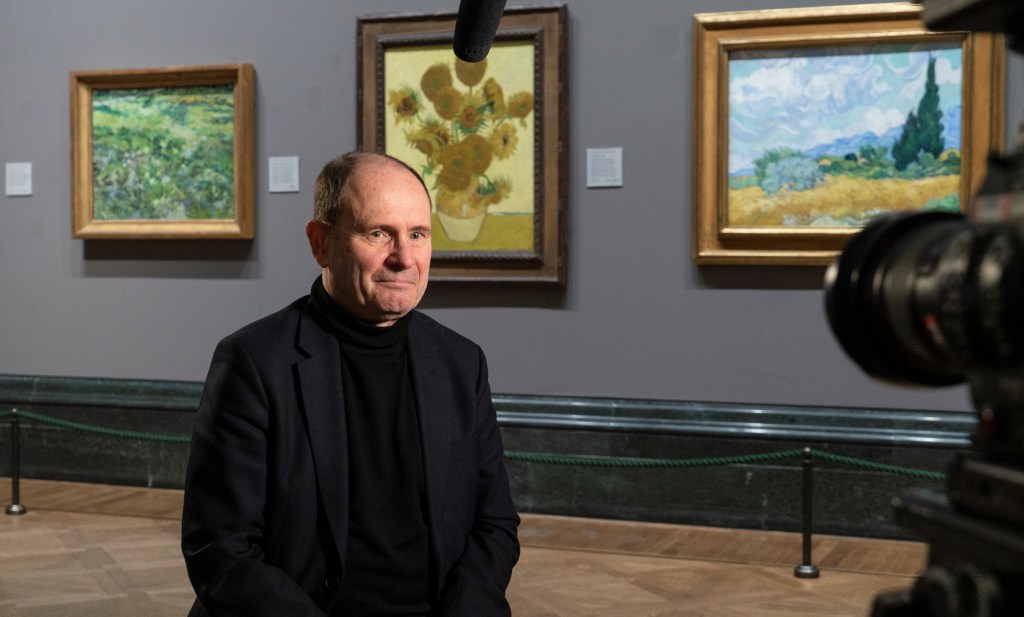
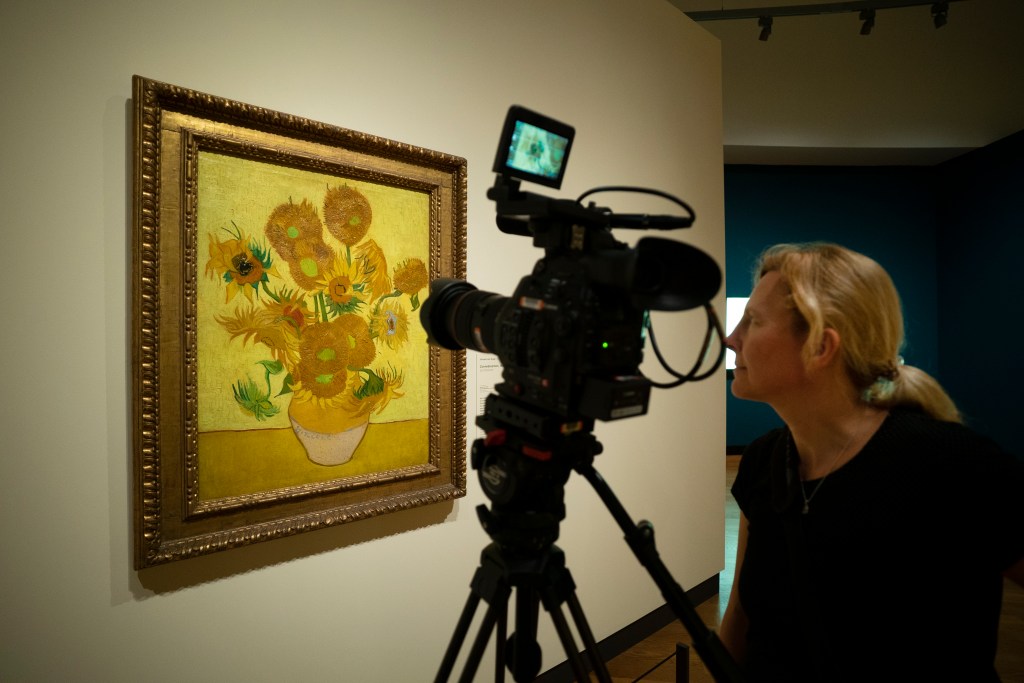
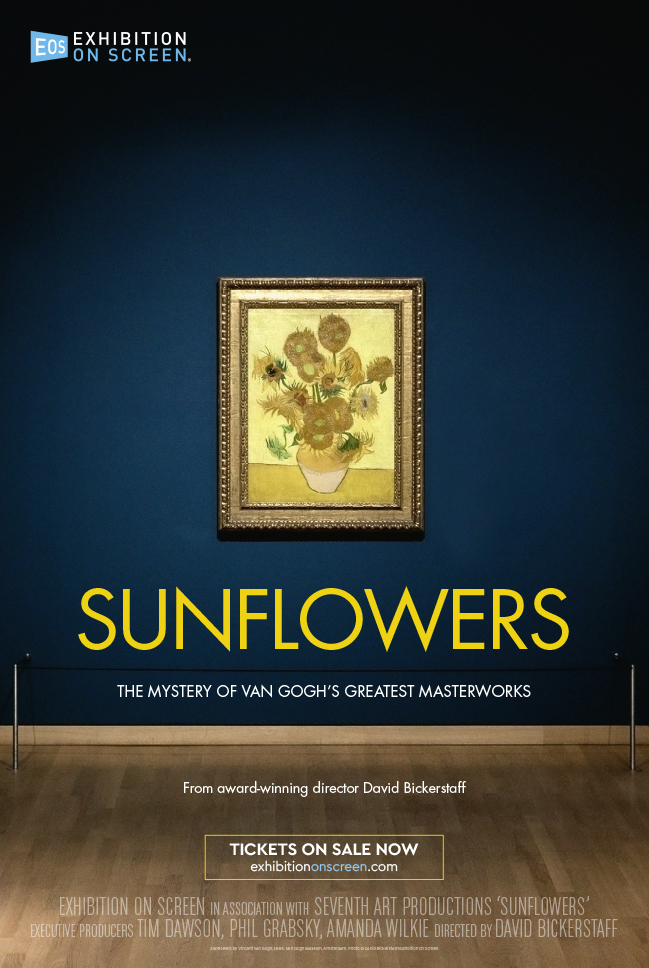
In cinemas across the UK from 8th June, Sunflowers is the latest showpiece from Exhibition on the Screen, the experts on bringing the best of the art galleries from around the world, this time in a feature length documentary about Van Gogh’s unmistakable Sunflowers.

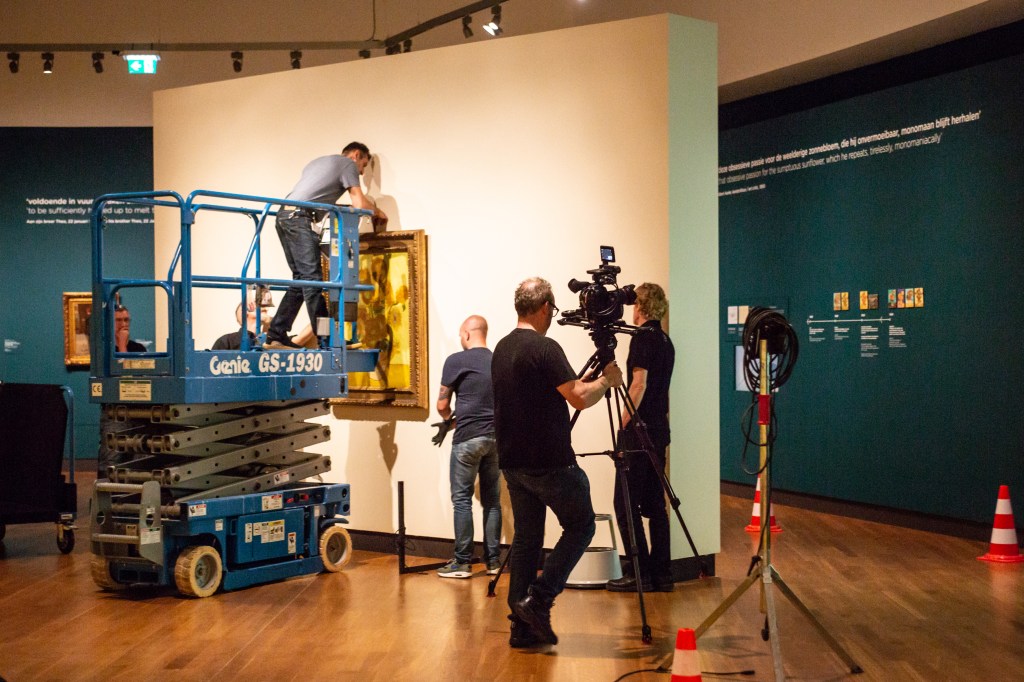
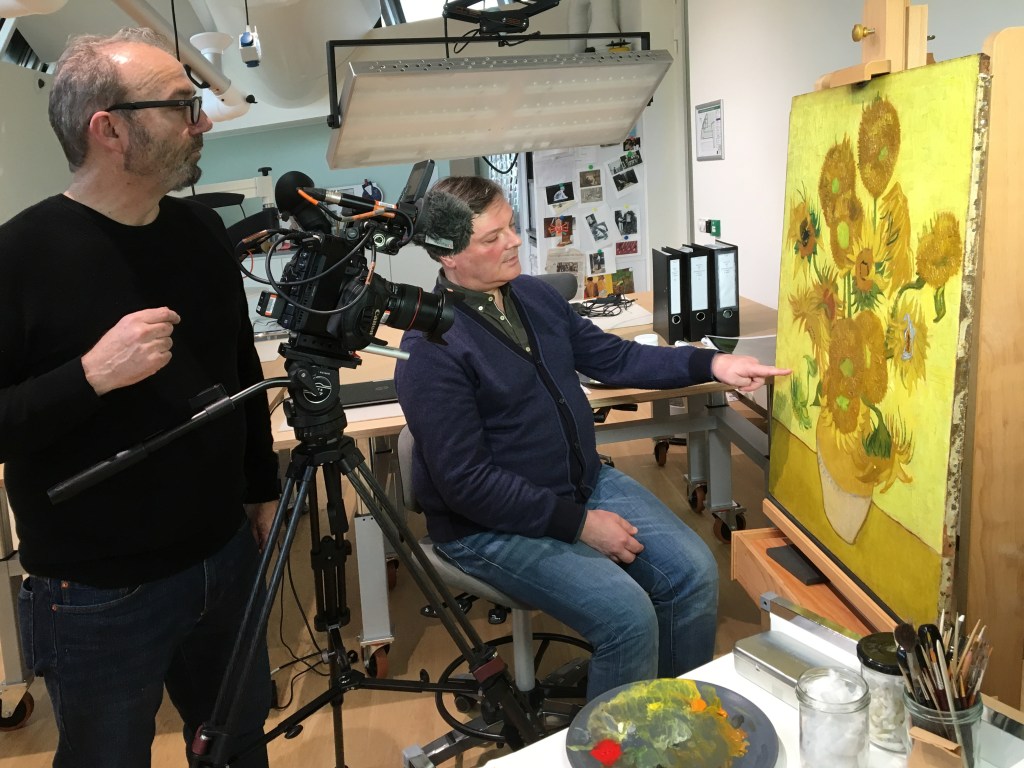
Directed by David Bickerstaff the story begins with the installation of the Sunflowers exhibition at the Van Gogh Museum in Amsterdam where extensive research has been done on the paintings. With expert talking heads from all the exhibiting galleries, including Munich, London, Tokyo and Philadelphia, all blended together with a subtle unobtrusive re-enactment of Van Gogh by Jamie De Courcey that combines to make this a thorough and entertaining exploration of this most famous art work.

The documentary goes through a brief account of the artist’s life-story and establishes some of the well known facts before embarking on an in-depth exploration of the Sunflowers still life motif. Most significantly pondered here is, not the frequently misconstrued idea that the famous Sunflowers are a single still life study, but the fact that they are a series of 11 paintings – a collection of colourful reproductions.

Coming from an academic standpoint the 1 hour 25 minutes isn’t unnecessarily turgid and its mix of re-enactments and voiceovers break-up the art class lecture feel. Included are lots of interesting insights into both the artist and the paintings including a history of sunflowers and their introduction into what was known as European competitive gardening during the 19th century. From his early meeting of the impressionists and his juxtaposition with realism, to his use of monochrome colours and the technical skill he developed to give a three dimensional quality, these meanderings added to the letters he wrote to his sister and brother, all give an incredible insight into his thoughts and steps during this period making this a touching biographical account of an iconic artist and his iconic work.

It’s a neat and tidy documentary executed with meticulous precision and detail allowing us to follow this incredible artistic journey. Once you’ve adjusted to the Van Gogh impersonator in the documentary and got accustomed to the strange Dutch pronunciation of Van Gogh, it is hard not to be somewhat captivated by this story which is fraught with both genius and despair including his close friendship with another famous artist of the time, Gaugin, and his mental deterioration and subsequent suicide. What makes an iconic painting and an iconic artist? Look no further than Van Gogh’s Sunflowers. A series of stunningly vibrant and colourful paintings and a fascinating life story. You’ll never look at a vase of flowers the same again.

Find your nearest cinema at exhibitiononscreen.com including Curzon, Everyman, Odeon, Picturehouse, Showcase, Vue and independent cinemas.

Film: Sunflowers

Director: David Bickerstaff

Stars: Jamie De Courcey, Jochum Ten Haaf, MArtin Bailey

Genre: Documentary / Arts

Run time: 1hr 25min

Rated: U

Rating: 3/5
May Worksheet

Maya the Bee: The Golden Orb

Click for film review with film language worksheets:

Maya the Bee: The Golden Orb_Listening
Maya the Bee: The Golden Orb_Pronunciation_1
Maya the Bee: The Golden Orb_Pronunciation_2
Maya the Bee: The Golden Orb_Pronunciation_3

Maya The Bee: The Golden Orb

In cinemas this week, Studio 100 brings the third in a series of children’s favourite and German classic, Maya The Bee, amazingly over one hundred years old and returning to the big screen once again to lift the young kids’ spirits as the enthusiastic bee looking for adventure.

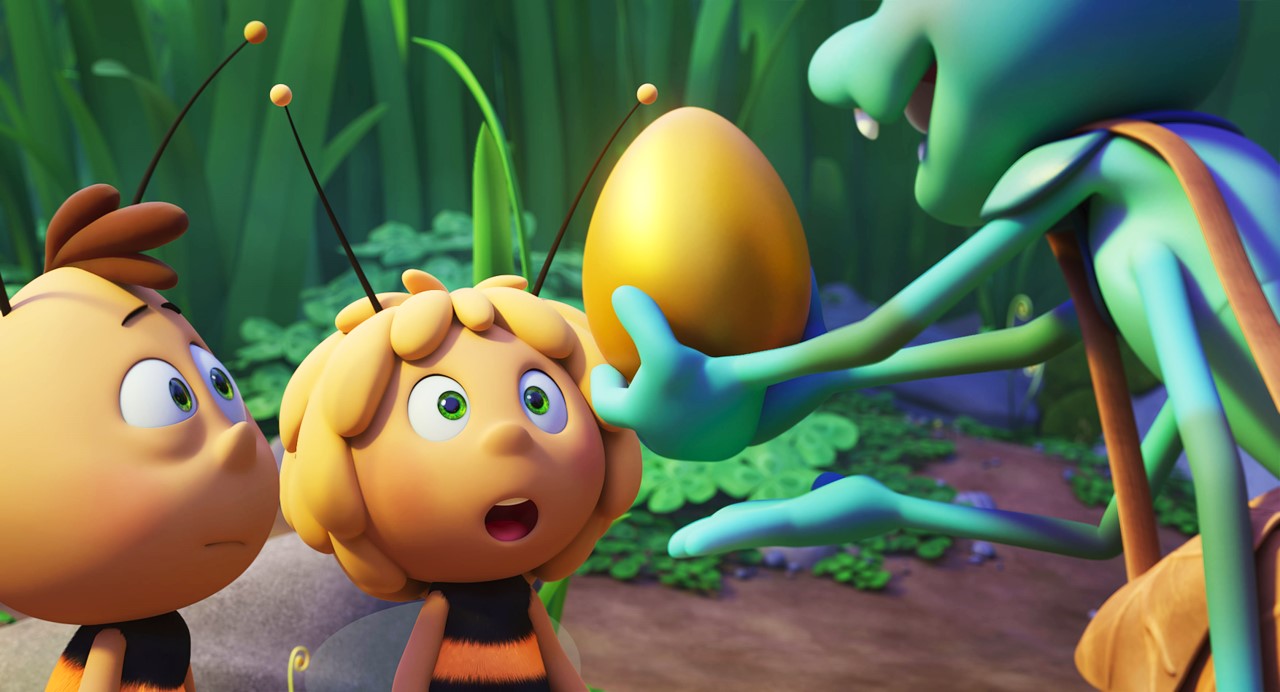
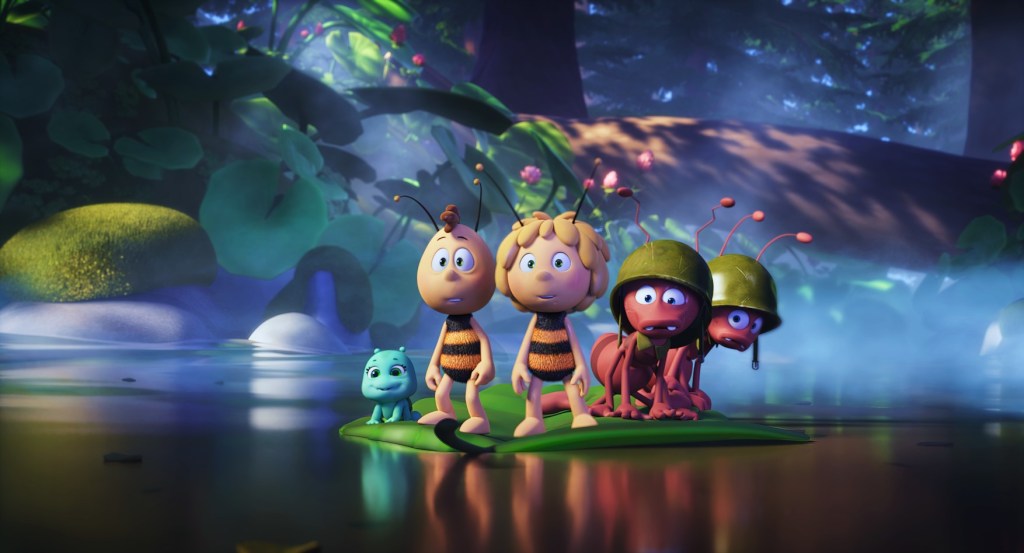
The film starts off with Maya (Coco Jack Gillies) full of the joys of spring as she tries to wake the hive to let them know that spring has finally sprung, but in her over excitement she ends up wrecking the hive and the precious sun stone, much to the displeasure of the Queen bee. Maya overhears that she and her best friend Willi (Benson Jack Anthony) are to be separated because of their calamitous partnership and she needs no further invitation to get away from the hive ‘to do something special’ in order to prove her and Willi’s worth to stay together. This opportunity comes in the unexpected guise of a passing ant who is on the run from the muscle bound beetle boom-bugs, who are after the golden orb he’s carrying. It turns out this golden orb is the egg of the ant princess Smoosh (Evie Gillies), the heir to the ant kingdom, now in the hands of Maya and Willi who have to return her home safely to Bonsai Peak.

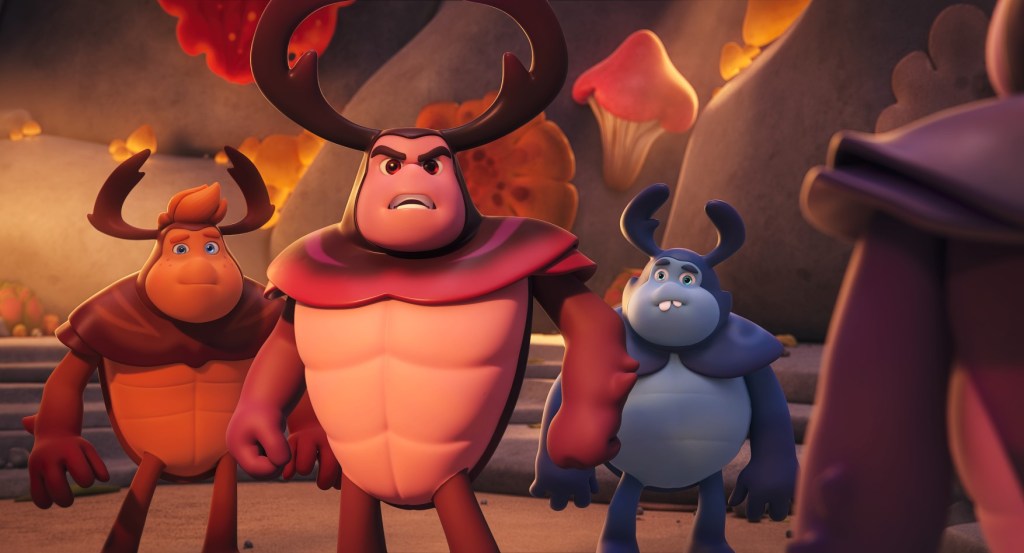
It’s a simple rescue plot suited to a young audience with Maya the effervescent bee dragging her reluctant best friend Willi along for the ride and find themselves challenged with the new found responsibilities of looking after a young hatchling ant. The villains are the boom-bugs led by the power crazed Bombulus (Christian Charisiou), who demands the capture of the princess whilst having a tendency to break-out into a School of Rock style song. Then there are the giant birds who strike fear into even the beefed-up boom-bugs with their scary wide-eyed threat to eat them all.

This is a feel good animation for the kids that is understated, in keeping with its long running cartoon tradition. It goes less for the all action comedy, although is not without its silly gags, instead relying on a more species compassionate storyline. Suitable for the youngest of audiences with its big graphics, transporting you deep into the vegetation underworld in this epic battle between the ants and the beetles, and not forgetting the serendipitous intervention of Maya and Willi.

Film: Maya The Bee: The Golden Orb

Director: Noel Cleary

Stars: Coco Jack Gillies, Benson Jack Anthony, Frances Berry

Genre: Animation / Kids

Run time: 1hr 20min

Rated: U

Rating: 3/5

Laddie: The Man Behind The Movies

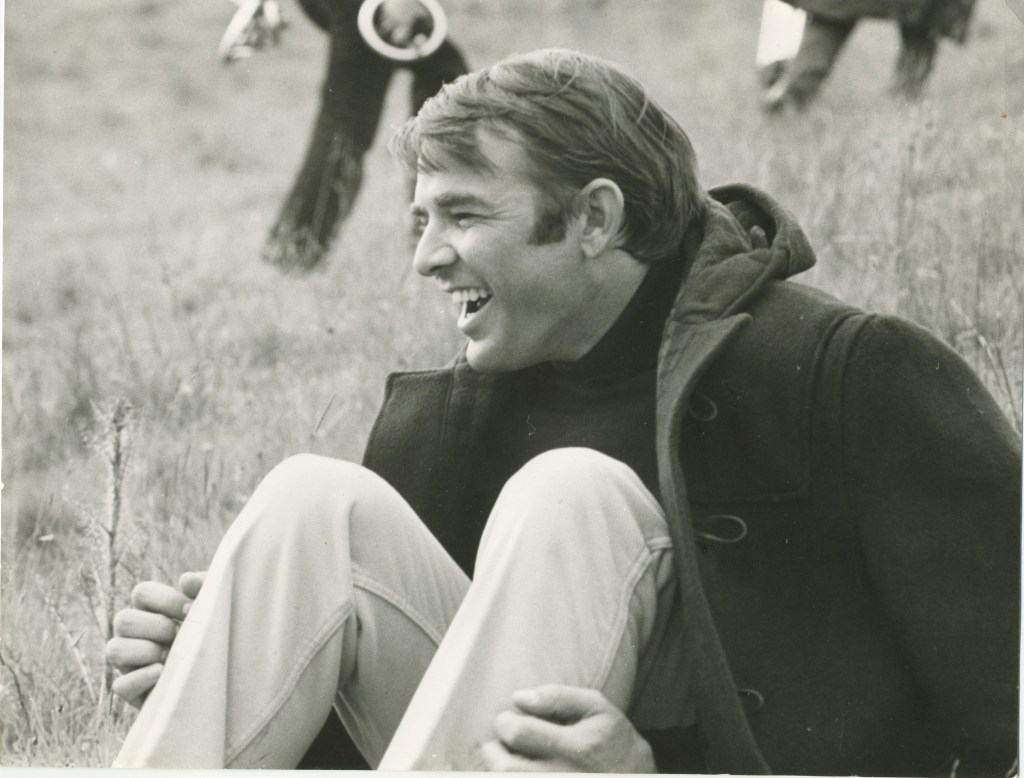
Laddie: The Man Behind The Movies is a documentary film available to rent and buy from 26th April. It’s a touching tribute movie from Amanda Ladd-Jones the daughter of one of the film industry’s most unknown and yet most influential film executives and producers, Alan Ladd Jnr – Laddie.

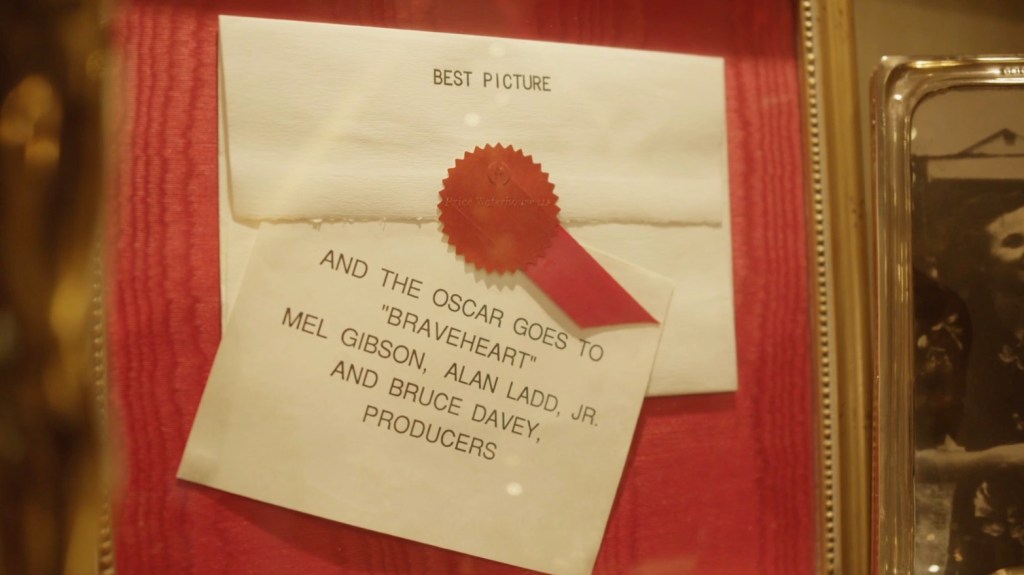
The film shows a series of interviews with directors, producers and stars of the film industry who have worked with Laddie, a man whose credits list is so huge it would be hard to find someone who has had the same commercial success or general popularity. With over 150 academy award nominations and 50 academy award wins, his jaw dropping collection of films include Star Wars, Alien, Blade Runner, Once Upon a Time in America, Thelma and Louise, Braveheart and Chariots of Fire, to name just a few.

The film has a somewhat loose and informal feel perhaps because of his daughter’s familiarity with the subject matter. The interviews have family, friends and colleagues of her father giving candid accounts of some of the most important deals and events in film history with an outpouring of respect and admiration for a man in a role where the two do not necessarily go hand in hand.

Considered a traditional studio style producer from a bygone era with a reputation for putting the film and the artist first, compared to the studio films of today that have become synonymous for their corporate management approach and committee decision making, this guy is held up as a man of integrity whom all the major directors and actors find it easy to talk highly of.

Using pictures and video clips taken through the years, it’s like a family album yet of someone married to his job. Aided by his daughter’s narration who is in search of the man behind all these great pictures, whilst looking for some kind of placation as to why she feels her father had been missing from her life. Intriguingly something similar had happened to him, as we find out Alan Ladd Snr, himself an early Hollywood film idol, had ostracised him, and left him feeling the burden of his family name, in what is a real life tale about Hollywood royalty. 

OLYMPUS DIGITAL CAMERA

A driven man who had devoted his life to film from his early days as an agent working with a similarly high profile list of film names including Judy Garland, Robert Redford and Warren Beatty, to heading up London International Management Ltd in the UK before switching to producing because the roles conflicted and he ended up becoming head of 20th Century Fox. His management style brought success and he is widely regarded as the man responsible for getting Star Wars made. Hard to believe, but it was his belief that convinced a reluctant boardroom to make a film casting ‘a hairy dog’ as a lead. The films that follow are equally as iconic.

For students of film it is a great opportunity to be able to place a man and his role in the history of cinema but it also brings into account the emotional ties of family. His influence on films was more than just his backing, he was known for his creative verve and willingness to take a risk and back the talent. He would be involved with the creative process, even putting women forward in an industry not noted for it, most notably here with Sigourney Weaver in Ridley Scott’s Alien and the success of Thelma and Louise in one of the most popular female protagonist stories ever made. He also pushed for women behind the camera too, all in all, making a conclusive link to recognising the influence of his daughters, which seems very much sort after here.

The film only skims the surface of a life in an industry that has touched so many lives in so many different ways. The role of the movie mogul doesn’t get much credit in comparison to the famous actors and directors featured here. How much of an influence he has had on them all is hard to tell but by the sounds of this he has done a fair amount in shaping the films that have been the backdrop to our lives, making this essential viewing for any film buff.

Film: Laddie: The Man Behind The Movies

Director: Amanda Ladd-Jones

Stars: Mel Brooks, George Lucas, Ron Howard, Ridley Scott

Genre: Documentary

Run time: 1hr 23min

Rated: PG

Rating: 4/5