Gazza – The Definitive Story
Click for film language worksheets & audio:

questions, vocabulary, discussion questions, pronunciation and listening exercises
…another one flew over the cuckoo's nest
Gazza – The Definitive Story
Click for film language worksheets & audio:

This is the definitive portrait of John Toshack. Welsh, Liverpool and Swansea legend, and one of football’s most inspirational figures. TOSH will have its UK Premiere on 13th May at Swansea Stadium, in UK Cinemas from 17th May and then available on Digital Download, DVD & Blu-ray from 6th June. More information here.
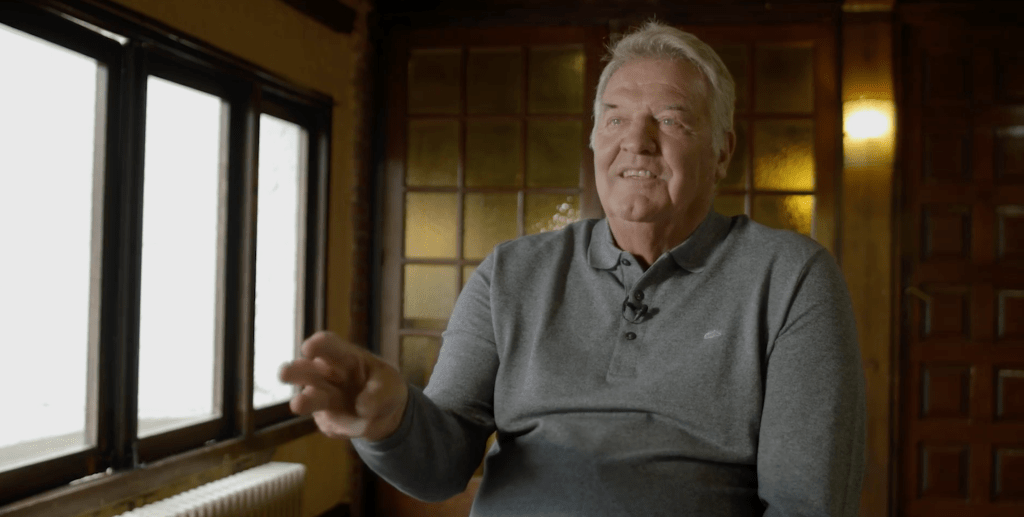
A documentary film directed by lifelong Swansea City fan Pete Jones who has put together a heartwarming tribute to John Toshack a footballer who playing for Liverpool FC won domestic and European honours, played for his country and would go on to manage Real Madrid and Wales but who will be most remembered, by Pete, for becoming Swansea City’s player-manager and taking them from the 4th Division to the 1st Division (the Premiership equivalent back then).
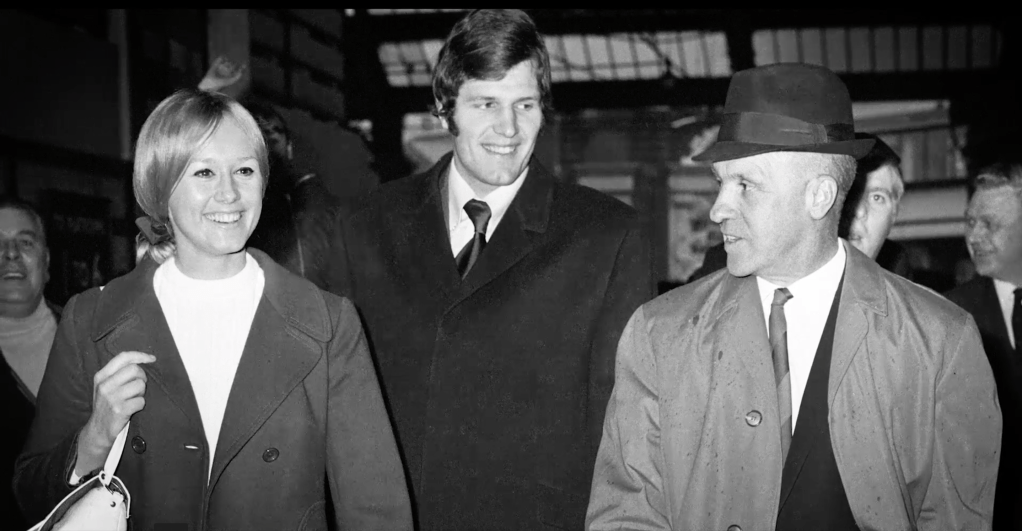
Pete has put together a nostalgic look back at Toshack’s playing and managerial career that captures this charismatic football figure’s imposing yet gentle personality and whose love and enthusiasm for the game made footballing dreams come true. Making his debut at his local club Cardiff City, Toshack was signed by Liverpool for a then club record and under the management of the great Bill Shankly he would win all the major honours. Unfortunately, injury would cut short his top level playing career but he was given an unexpected opportunity to become player-manager of lowly Fourth Division Swansea City (who had come close to dropping out of the football league) and he would take them on a triumphant journey, gaining 3 promotions, to play in the top division.
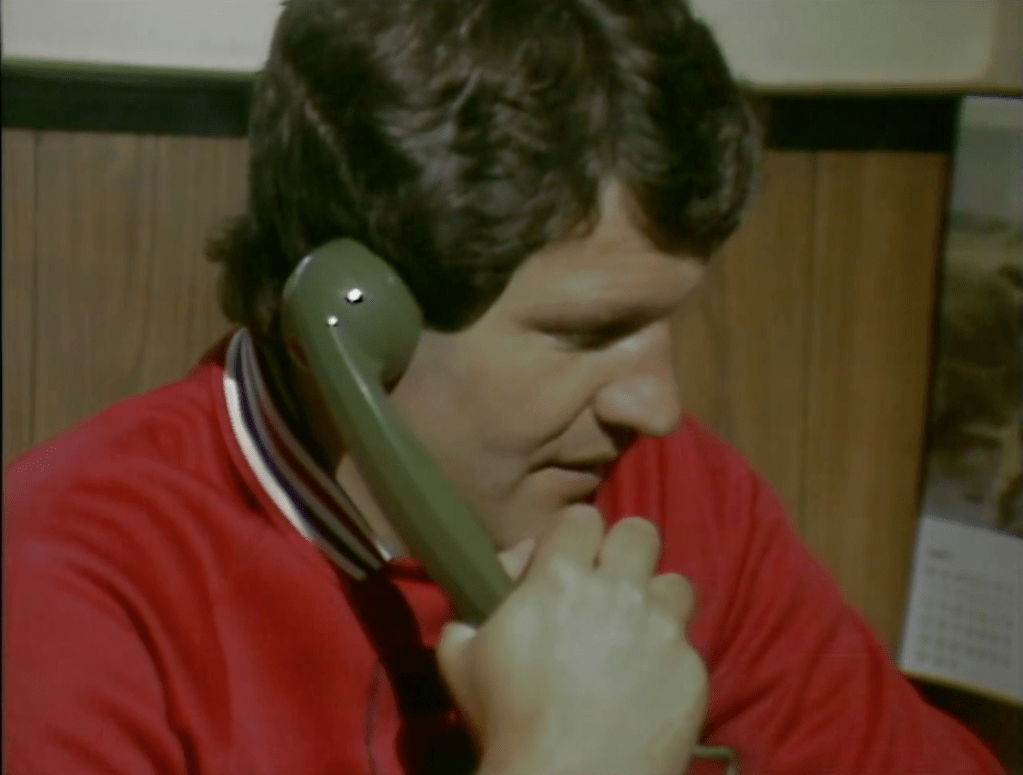
Whilst Toshack is the central star of the documentary it’s the stories of the supporting cast that make this an interesting football documentary to watch. Reflecting on a bygone era, a core of the old local Swansea players give their entertaining anecdotes about Tosh’s arrival from Liverpool as he began to install the vision and methods of what he’d learnt under Shankly.
But he had an up hill struggle on his hands. Describing the Vetch, Swansea’s ground, one reporter comments, “the pitch was bumpy and bear and the support likewise” – you don’t get sports reports like that anymore, not without an inquiry anyway. Showing experience beyond his years, he had to change a lot of things at the club bringing in new ideas like putting in washing machines so the players didn’t have to wash their own kit and driving the team to away games the day before a match (in a mini bus that looked like a Guinness World Record attempt).
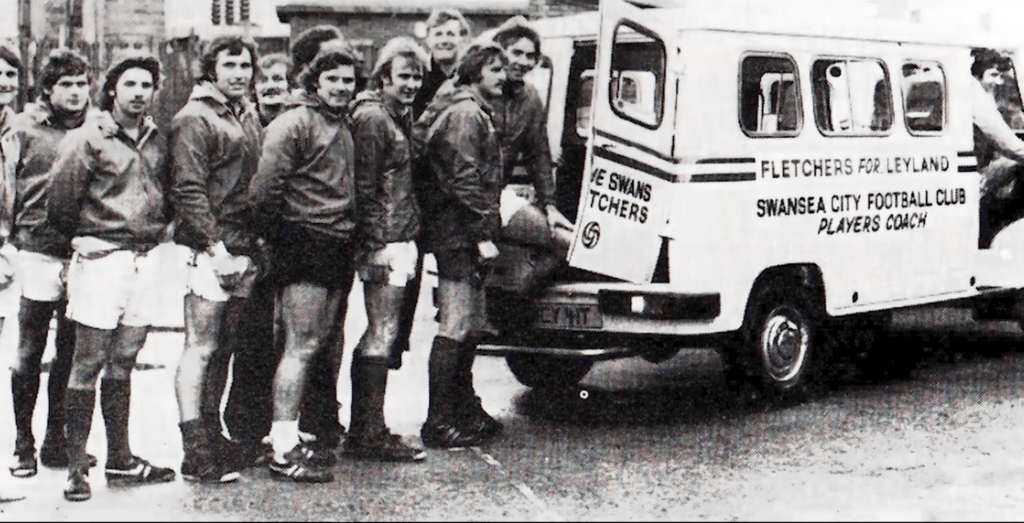
Other influential characters included Harry Griffths, the Swansea manager at the time, a Swansea man through and through, who had to step aside when Tosh arrived, Dolly who did the catering but sounded more like the general manager and the chairman Malcolm Struel who would match Toshack for his vision and ambition to elevate the club.
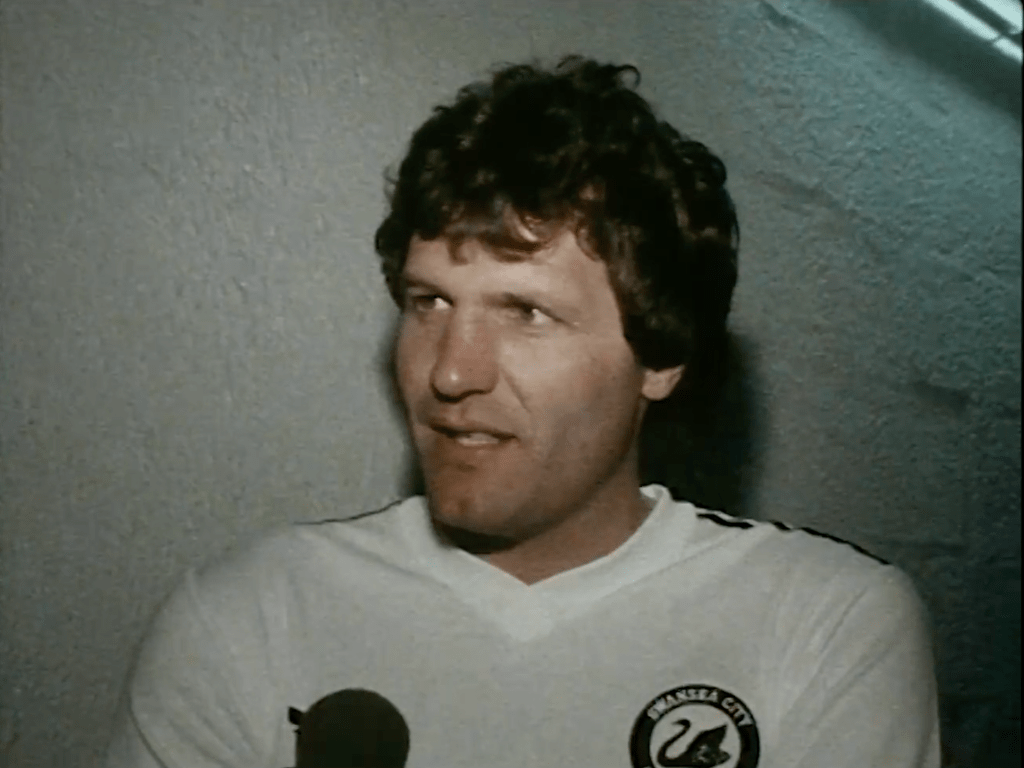
Whilst it is only football, what a difference he made for the town and the community. The stadium gates more than doubled in Toshack’s first game with over 15,000 turning out and who else could call upon his old playing pals from Liverpool, Ian Callaghan and Tommy Smith, to help the team win a successive promotion. His success in getting Swansea to the First Division had Liverpool manager Bill Shankly describing him as the “manager of the century”.
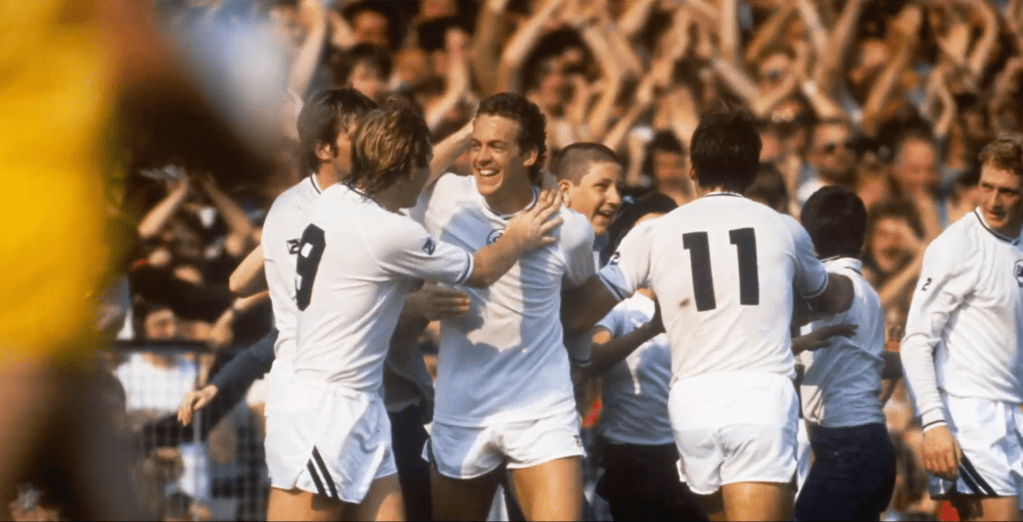
Produced by Daniel J. Harris, its gentle low key narrative slowly builds as the expectation and belief grows around the team and the club. The emotions are enhanced by a low key sound design that ramps up with the roaring crowd after each thumping result. The media coverage is sadly as bear as a lower league’s pitch, but this doesn’t detract from the storytelling and laconic banter, in fact it adds to this magical moment in time for a club and a city galvanised by a man on a mission to the top.
Tosh is a wonderful reminder of the olden days of professional football and every player’s, manager’s and supporter’s dream to rise to the top of the tiered football league.

Film: Tosh
Director: Pete Jones
Genre: Documentary, Sports
Stars: John Toshack, Alan Curtis, Leighton James
Run time: 1hr 15min
Rated: TBC
Rating: 3/5

Joe Corré, son of punk visionaries Vivienne Westwood and Malcolm McLaren, burns an estimated £5M worth of punk memorabilia protesting the commodification of punk. WAKE UP PUNK takes this incendiary act of ‘cultural terrorism’ and the questions it raised to explore the lifespan and true worth of punk – the 20th century’s most volatile movement. Available On Demand from 9th May 2022.

The initial interviews take place around a table with Joe Corré and his brother Ben Westwood talking with their very famous fashion designer mother Vivienne Westwood, the once upon a time punk pioneer. Who better than Vivienne to give her opinion about the punk generation? Married to Malcolm McLaren, together they famously opened the shop ‘Sex’ on London’s Kings Road in the 70s, that became a hangout for punks and was where one of the most notorious of all punk bands, the Sex Pistols, assembled under McLaren’s management.
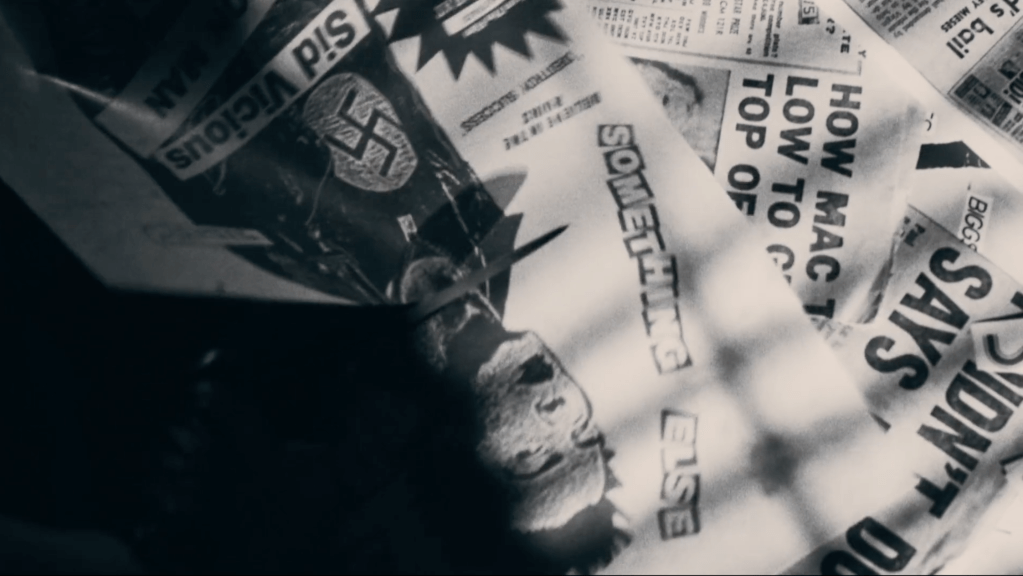
As they go through some original punk memorabilia, Vivienne reminisces about the early days of punk and the punk look – the clothes, the hairstyles, the music and the attitude – but also how punk has been appropriated over the years by corporations, cashing in on its name, even though punk’s anti-establishment beginnings were in complete opposition to corporate values with their rather rebellious outlook on life.
Joe makes the point his famous punk parents weren’t considered the great iconic British figures they are today but were actually vilified by the establishment. This ironic change in circumstances isn’t lost on Joe who, as literally the son of punk, feels an unerring duty to keep flying the flag for punk.

These memories of punk history are enjoyable to hear first-hand from the people that were there but the gentle, defiant, nostalgic tone changes when Joe reveals he’s going to burn his priceless collection of irreplaceable punk memorabilia, estimated to be worth £5 million, in a rallying punk message against the establishment and the associated problems causing climate change. This of course brings to the debate a fervent questioning of the rights and wrongs of this destructive cultural terrorism from those around and not least by Joe himself, who has more reason than most to be upset by his own actions brought about by what he sees as the end of the true punk spirit.
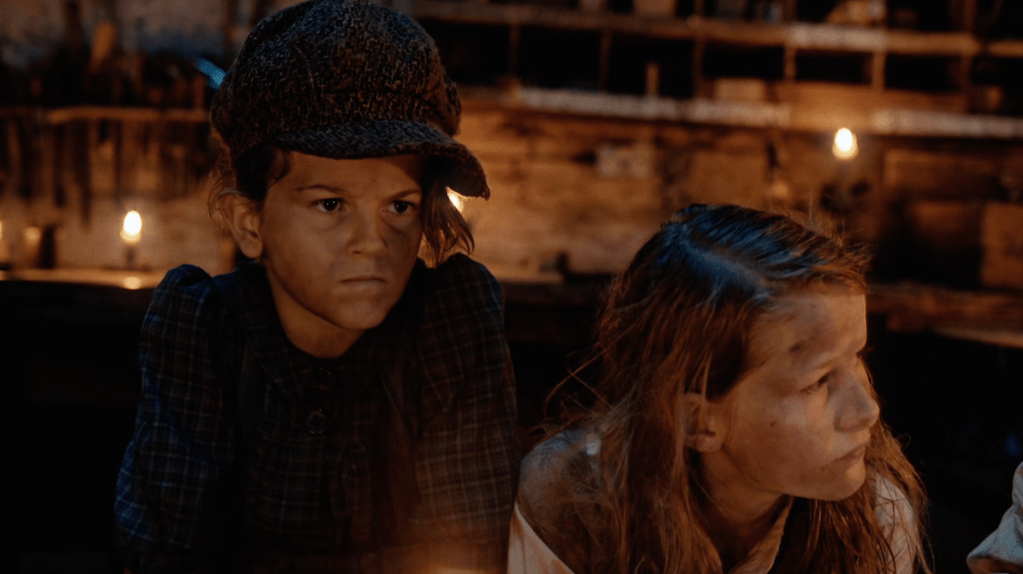
A dramatic visual touch to the documentary is added to good effect with a theatrical re-enactment from a group of children playing the role of Dickensian street urchins (a nod to his father’s description of himself as a Fagin like father figure to the punk generation) who deliver their angry message about the economic inequality in society between the wealthy 1% and the poor.

Whatever your views on punk and Joe’s endeavour to make an artistic punk statement, it is a timely documentary, even though the burning of the punk memorabilia took place back in 2016. This release coincides with Her Majesty the Queen’s Platinum Jubilee year and this special anniversary is coincidently shared with the Sex Pistols’ famous song “God Save the Queen” released in 1977 for Her then Silver Jubilee. Maybe this will help with the sale of more punk merchandise – if it hasn’t all been burnt – or could go towards helping save the planet?
www.republicfilmdistribution.co.uk/wakeuppunk

Film: Wake Up Punk
Director: Nigel Askew
Genre: Documentary
Stars: Vivienne Westwood, Ben Westwood, Joe Corré, Eddie Tudor-Pole
Run time: 1hr 25min
Rated: TBC
Rating: 3/5
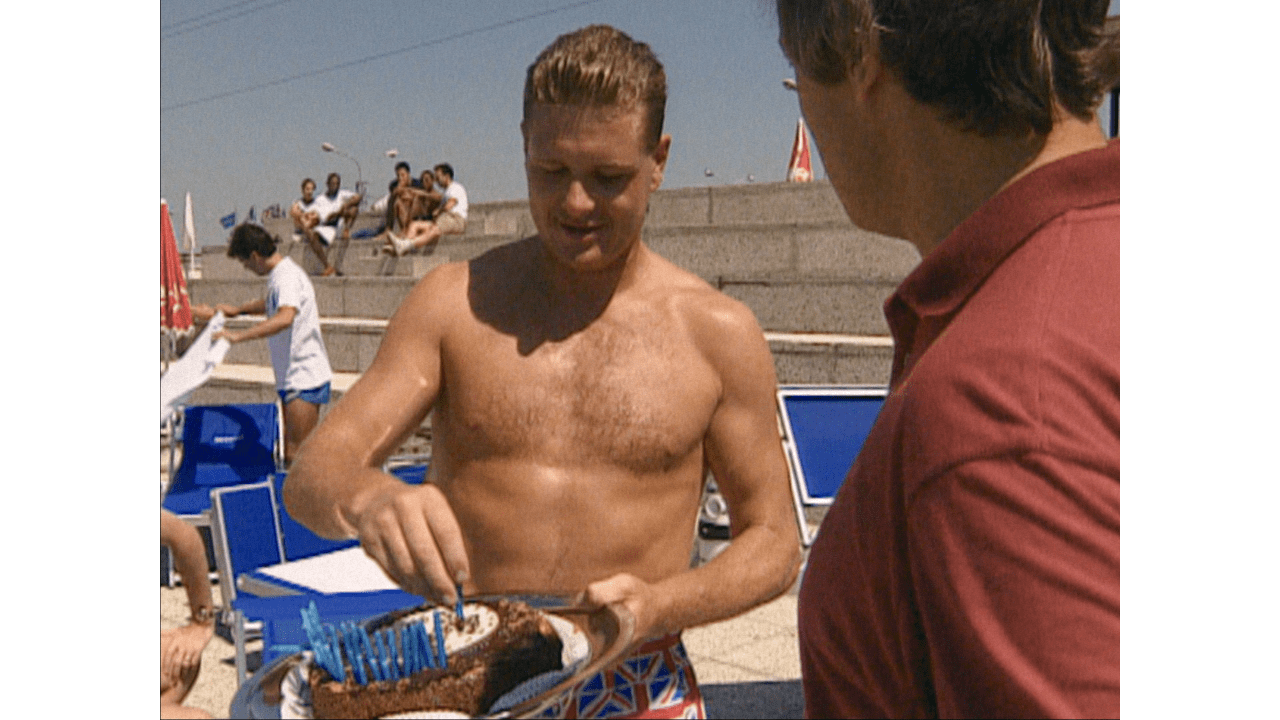
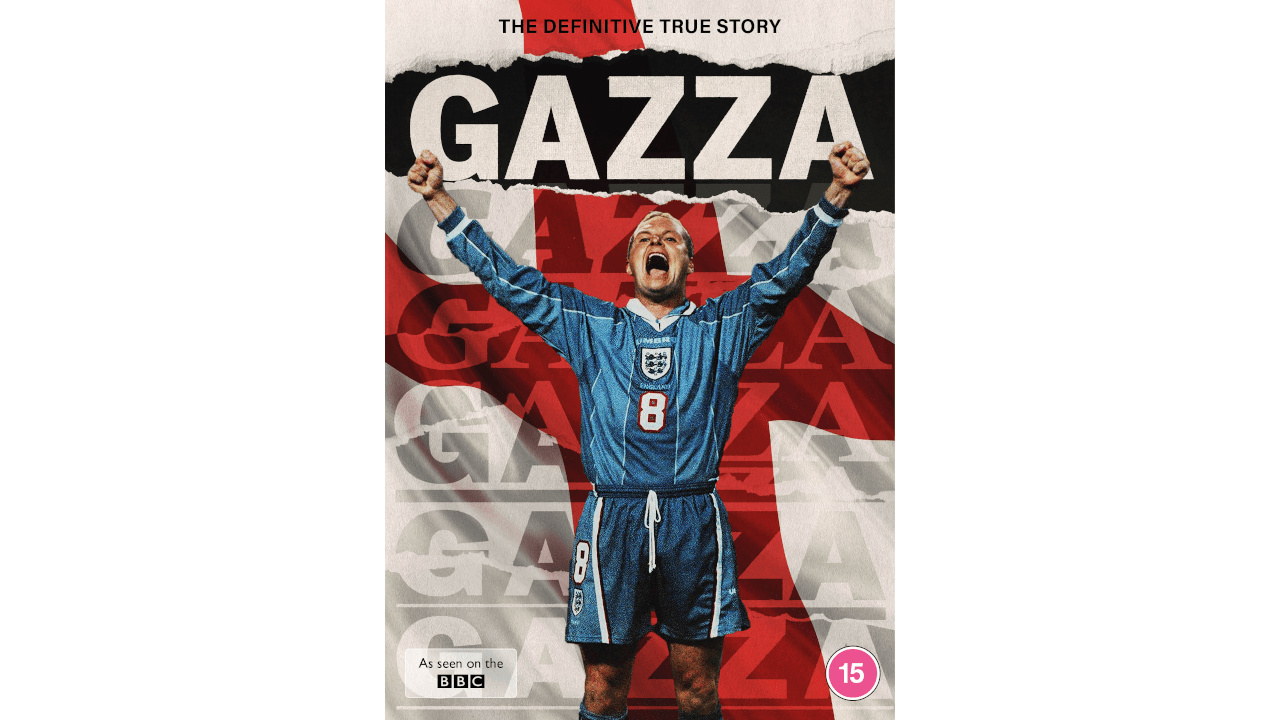
GAZZA is an unflinching portrait of the ultimate tragic hero, whose love for the riches and limelight of fame proved to be his downfall. An unmissable documentary for any football fan, featuring interviews from friends, family, and former teammates and coaches including Alan Shearer, Bryan Robson, Paul Ince, Ian Wright and Terry Venables.

This ‘definitive true story’, traces Gazza’s past giving a flavour of his meteoric rise to footballing stardom from his humble roots in Newcastle making his 1st team debut at 17 years old, to breaking British football transfer history signing for Tottenham and then becoming the world’s richest player signing for Lazio. It follows all the well known major landmarks and turning points during his football career like Italia ’90, Spurs’ F.A. Cup victory, the Euro ’96 campaign and his final exclusion from the ’98 World Cup squad. What’s different about this documentary is that it zooms in on his off field distractions, looking at his moneymaking celebrity ambitions and the subsequent media frenzy he both courted and was a victim of that would have a major bearing on his career, alongside his battles with alcoholism, eating disorders and mental health.

A documentary made by acclaimed sports doc makers director Sampson Collins, an established sports journalist and maker of cricket corruption doc ‘Death of a Gentleman’, alongside producer Vaughan Swell who produced and directed ‘Pistorius’ about the self titled Paralympian and convicted murderer. This documentary uses only archive footage assembling together Gazza’s story using the clips and interviews from a range of football professionals, sports pundits and family that are uncannily prophetic but most notably here is the childhood tragedy that no doubt had a major impact on his mental health and also there is a mini serialisation of the tabloid media at that time. In particular, it was the Sun and the Mirror, who, through some surprising personnel, would forge a revelatory partnership with Gazza and his then wife Sheryl Gascoigne that became devastatingly toxic. As Gazza’s life unravels in the glare of the media spotlight he is centre stage during the celebrity lad culture of the 90s, something he epitomised with his outlandish style of play, drinking antics and practical jokes, but would ultimately lead to his self combustion.
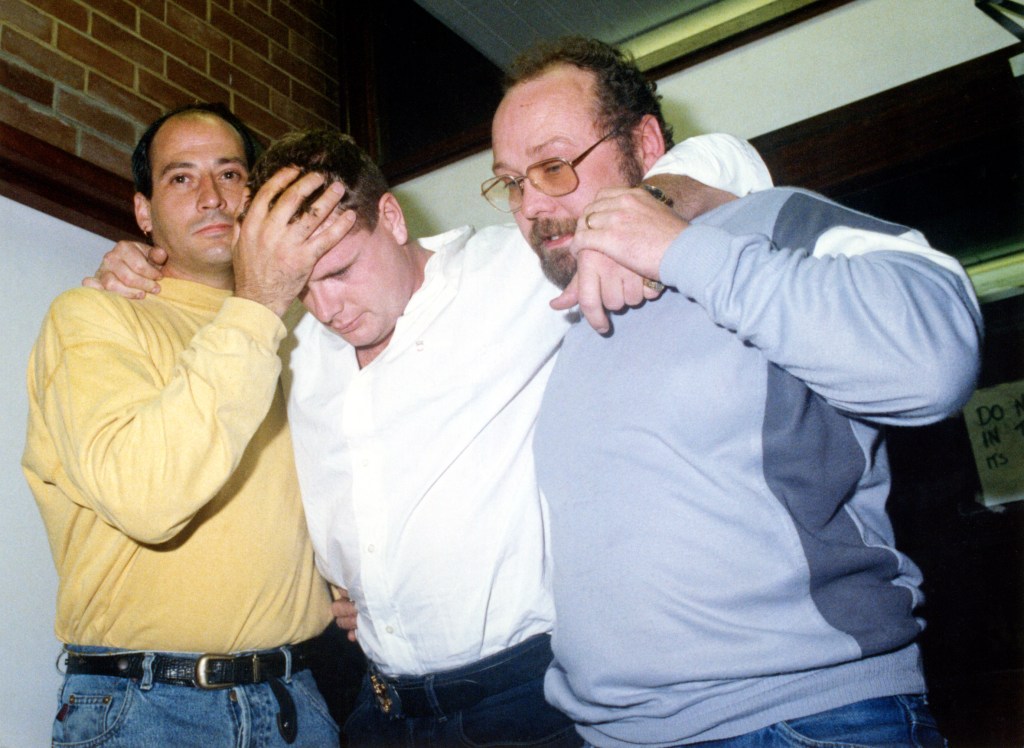
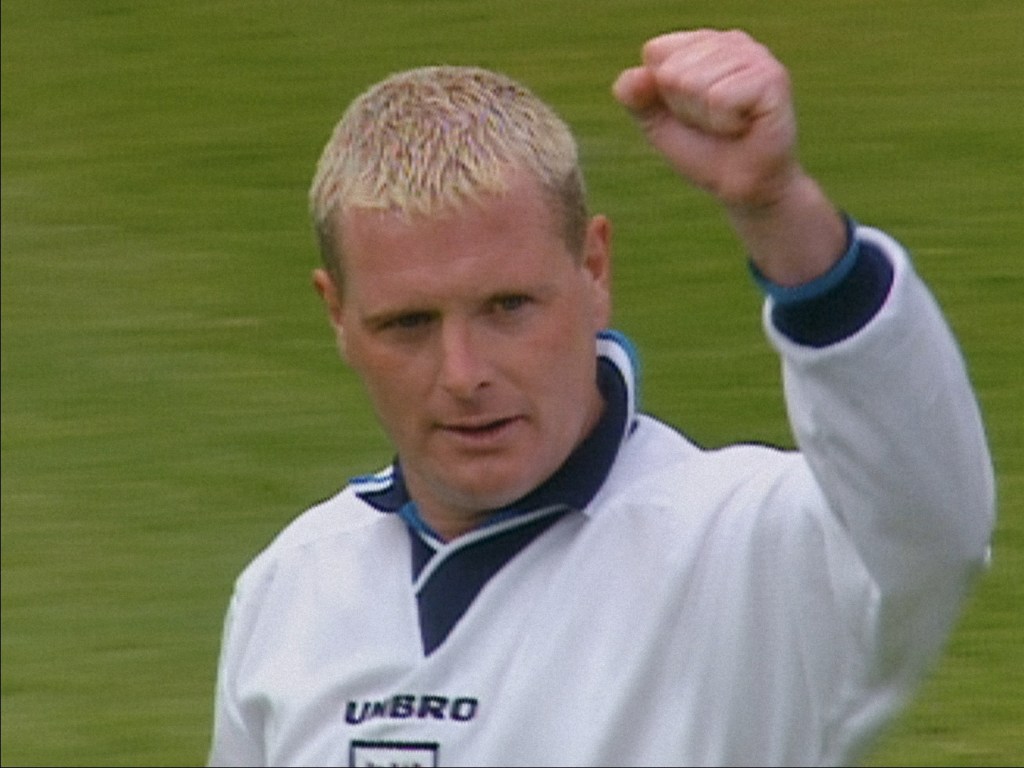
There is no doubting Gazza’s place in football history, a unique player who finally broke the mould of English playmakers to shine on the world’s biggest footballing stage. Greater than all the hyperbole, sadly both on and off the field, this documentary pieces together the post match analysis with surgical precision (of which there is some uncomfortable viewing) in this ultimate case study on the pitfalls of becoming a world class football player living in the public eye.
Available on the BBC iPlayer and digital download from 2nd May and available to buy on DVD and Blu-ray from 9th May.
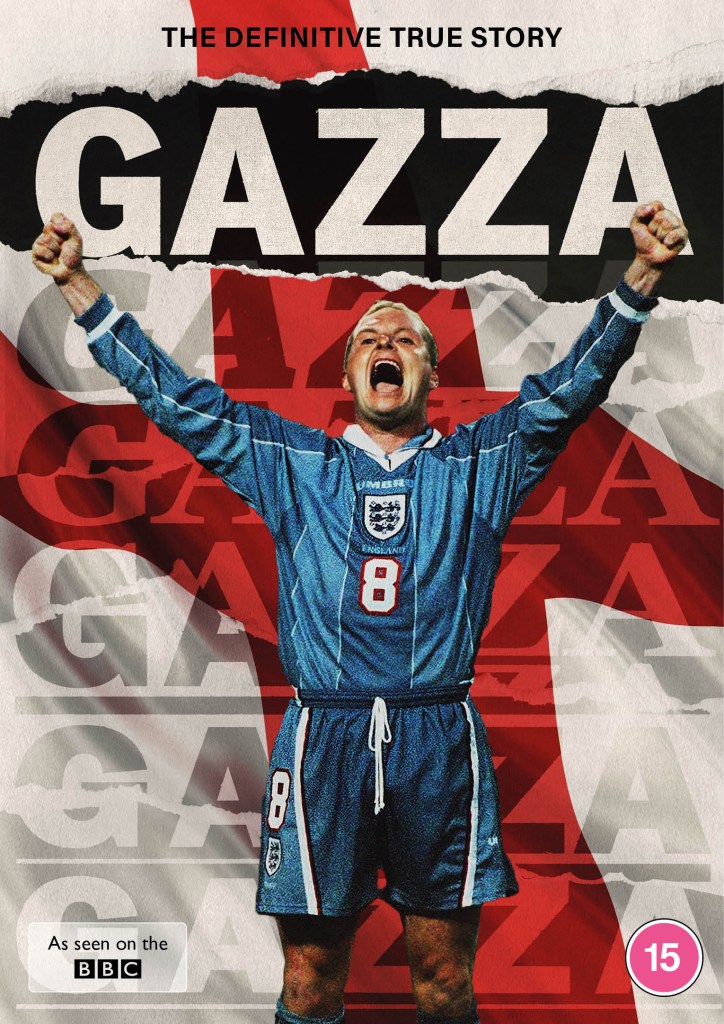
Film: Gazza
Director: Sam Collins
Genre: Documentary, Sport
Stars: Gazza
Run time: 1hr 19min
Rated: 15
Rating: 4/5

The Bezonians
Click for film language worksheets & audio:
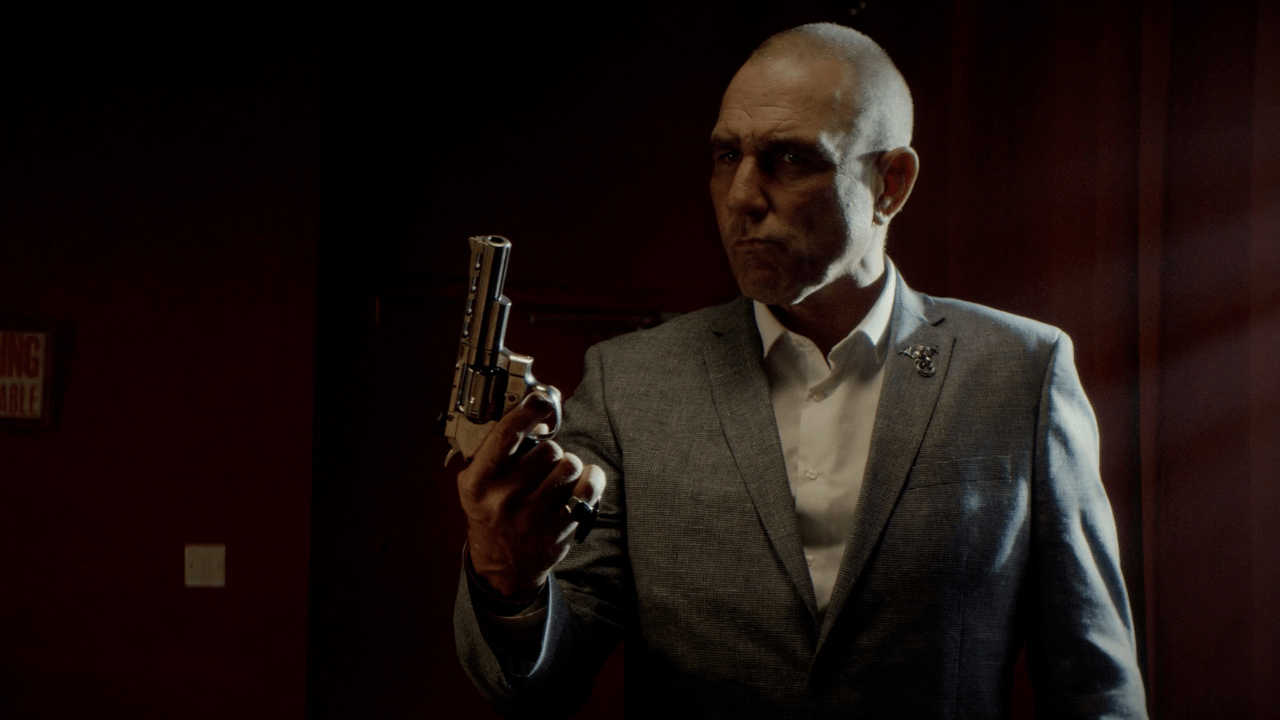
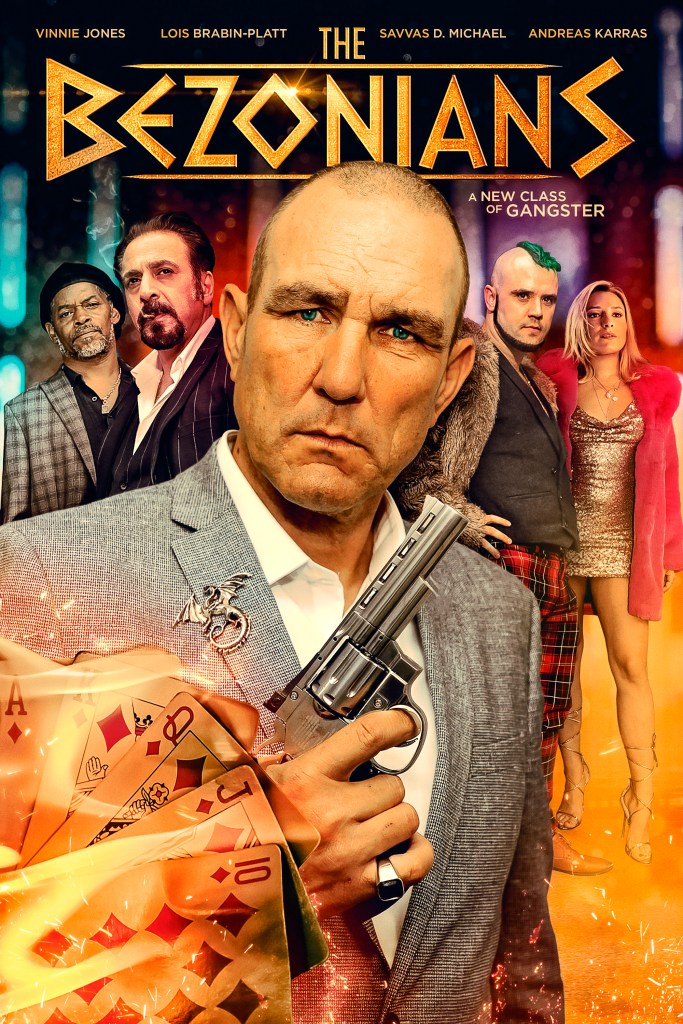
From the creator of Smoking Guns, Original Gangster and Red Rage comes Savvas D. Michael’s latest instalment of UK gangster films, a tale about a man called Plato who runs a Greek-Cypriot North London social club, the Bezonians, and when an evening’s poker game gets out of hand he finds himself dangerously caught up with a femme fatale, Lola. Available from Blu-ray, DVD & Digital Download from 2nd May.

The film adopts the narrative speaker format successfully established in gangster films like ‘Goodfellas’ and ‘Lock Stock’ and is confidently delivered here by Andreas Karras, who plays Plato, but this story has Savvas’ own signature style in provocative storytelling, which this time specialises in some overtly racist, misogynistic and ableist dialogue and action.
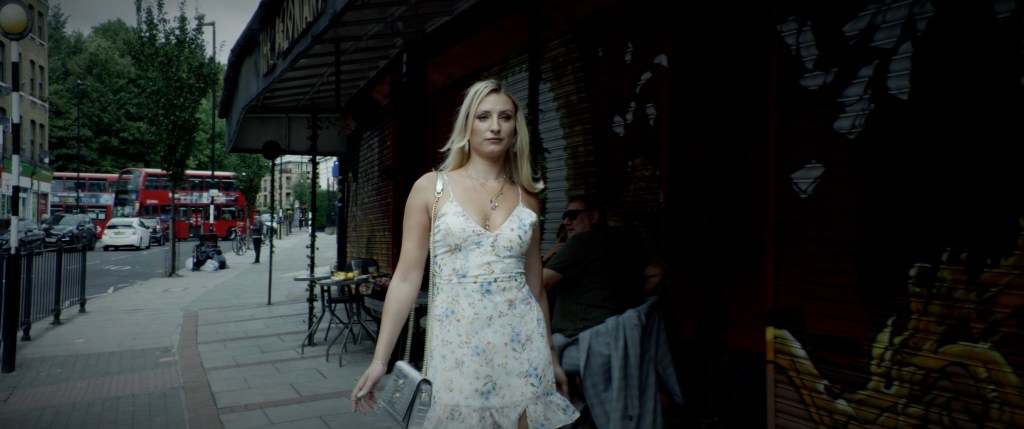
Like in Savvas’ previous films, it has a lot of the right ingredients to make a successful gangster genre film. Set in North London at a shady Greek-Cypriot hang out we are introduced to the edgy characters who frequent the seedy looking drinking den like Taz (Jason Duff) the young wild-eyed Irishman with a mohawk hairstyle and Mike Hagler (Chris Tummings) the alleged Jamaican yardie drug dealer.

There is a strong Greek influence from the music to mythological stories. Some of the characters are named after famous ancient Greeks and there are also some unapologetic Greek educational lessons from Plato to his children, which are done with a North London twist. Plato’s wife is played by Marina Sirtis from Star Trek fame, who also continues the children’s Greek education by telling them the story of Orpheus and Eurydice but in a much less macho manner thankfully.

Savvas redresses the balance of some of the openly sexist and misogynistic views by empowering a female boss, Lola (Lois Brabin-Platt), in a leading role, albeit one where she sells counterfeit handbags and runs her own personal sadomasochistic business with her delightfully common sounding North London girl diction. She has a brief flirtation with Achilles the club’s most revered regular, the alpha gangster, played by Savvas himself, who is psychopathically ice cool in all situations but turns into a love sick puppy in Lola’s presence.

Achilles is idolised by Anthony (Jamie Crew) another social club regular who suffers with mental health issues and has a speech impediment that is difficult to watch in its humorous attempts of portrayal. The film’s major coup is getting ex-professional footballer turned Hollywood actor Vinnie Jones to play Willard Greb, the most heinous of gangland mercenaries, something he does with great ease with such lines as, “I’ll see you Saturday”, which he delivers in his instantly recognisable and uncompromising cadence but who looks slightly less comfortable sending himself up as Lola’s doting hitman boyfriend.
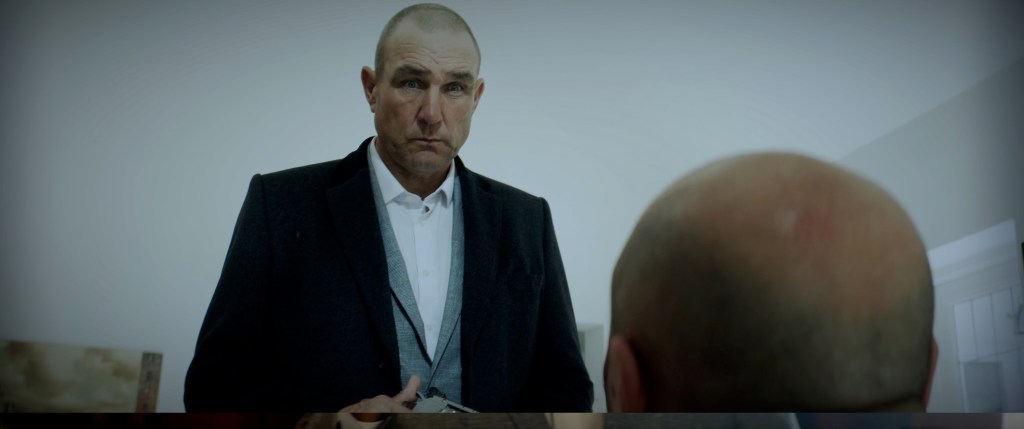
There are plenty of bits to enjoy in this London Greek gangster epic by Savvas D. Michael if you don’t mind being offended with his typically un-P.C. style. There are lots of different characters, lots of violence, some comedy skits, a standout wardrobe, stylised set design and music score but somehow the whole does not quite equal the sum of all its parts.
Film: The Bezonians
Director: Savvas D. Michael
Genre: Crime, Thriller
Stars: Vinnie Jones, Marina Sirtis, Lois Brabin-Platt, Savvas D. Michael, Andreas Karras
Run time: 1hr 39min
Rated: 18
Rating: 3/5

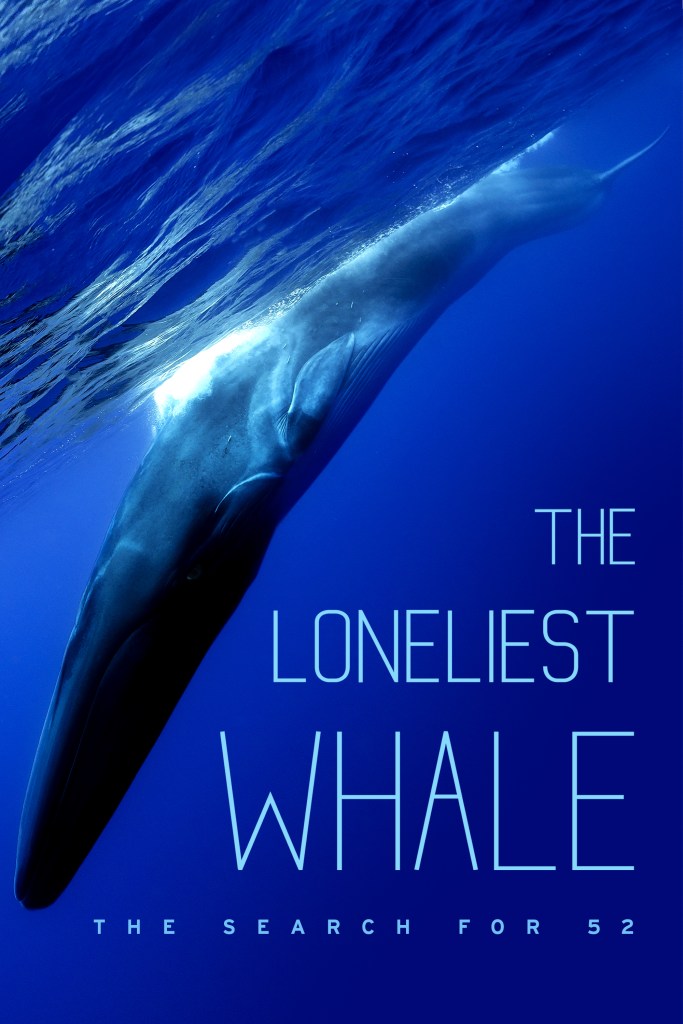
In 1992 a top secret program by the US navy discovered an unusual sound at a frequency of 52 hertz. A marine biologist William Watkins said the sound was coming from a solitary whale, but this frequency was unlike any other. The mysterious whale has been dubbed the Loneliest Whale and has never been found, until now.
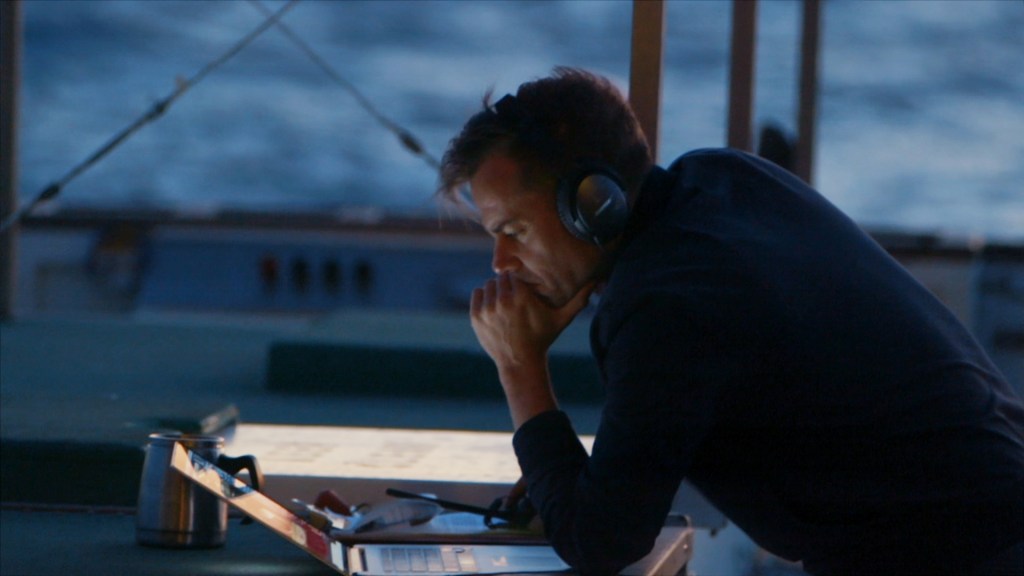
After an article in the New York Times about “52”, people began talking about the whale on the internet creating a global phenomenon. People connected all around the world over the whale’s lonely plight and director Joshua Zeman, captivated by the story, made it his personal mission to find the whale.
He begins by speaking with retired US Navy Chief, Joseph George, to find out what he knows about “52”, the frequency discovered by the US navy’s sound surveillance system S.O.S.U.S., developed to keep ahead of the Russians. The system found the unusual sound frequency but unfortunately the only revealing thing about the interview was seeing the chief slightly squirm in his seat when asked about what the US navy actually thought the strange sound frequency was that they had been tracking around the west coast of Californian.

The frequency is unique not least amongst whales – Blue Whales resonate at a sound of 100 hz, Fin Whales at 20 hz. This was clearly a mystery and so the marine biologist Bill Watkins was brought in to investigate but sadly after he passed away more than a decade ago the case was left unresolved.
With access to the navy S.O.N.U.S data classified Josh turns to Bob Dziak a scientist using the S.O.N.U.S technology to study underwater volcanoes but again gets little encouragement in his quest, except for getting to see an audio speaker reverberate at the mysterious 52 hz. Undeterred Josh continues with his search and finally gets a good lead from the California Institute of Oceanography who have discovered a series of recorded sites of “52” off the West Coast of California in Santa Barbara over the past couple of years.
Josh needs no further invitation and heads up a team of experts to go on a 1 week expedition to find “52”. Professor John Hildebrand from the California Institute of Oceanography is put in charge of the acoustic tracking and marine biologist John Calabokidis is leading the whale boat team as they head out to sea with their cargo of borrowed Navy sonar equipment (that looks very similar to your old TV antenna) and other hi-tech tracking devices.
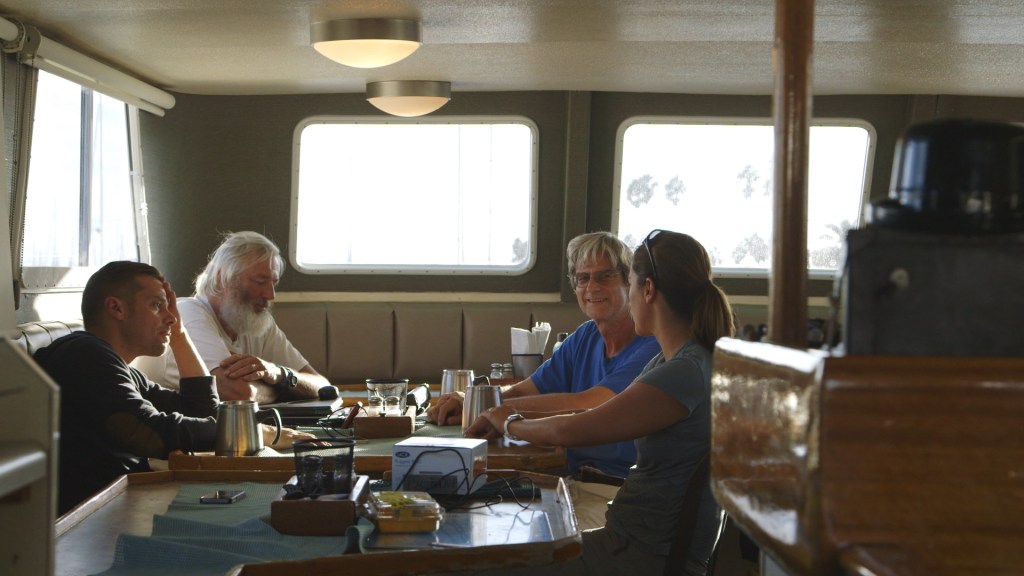
During the ship’s expedition the story introduces some other interesting subplots like a quick history of whaling from the romantic stories of Ahab and his search for Moby Dick to the atrocities of whaling on an industrial scale. Oddly enough the documentary credits the first recordings of whale sounds on sale in record shops as the catalyst that began to change the public’s opinion towards whales, leading to their protection – along with activist groups like Greenpeace. But even odder is the guy brought on the expedition to play his clarinet and ‘jam’ with the sounds of the whales underwater.

This epic journey to find a whale is intriguing but slightly mystifying in itself. As a homage to a lonely whale it seems an extravagant wild goose chase that despite all the science seems quite unscientific. All the experts have given up looking but Josh thinks the journey is still worth making regardless of its success or failure because the world needs to have mysteries and endeavour. Add to this the overarching message about the world’s loneliest whale, one that most people can relate to in their lives of feeling lost, feeling alone and feeling unheard, which conveniently makes the search for this whale an allegory about life – even though we don’t know if this whale is dead, alive or even exists.
Executive produced by Leonardo DiCaprio through a kickstarter campaign you expect a documentary with a degree of planetary significance and even though the investigative search doesn’t quite hit the dramatic peaks you’re being shown, there is a warm intelligent picture immersed here and whilst director Josh Zeman doesn’t quite have the same on screen charisma as his more famous exec producer counterpart he does have an uncanny acoustic resemblance.
Available on digital download and DVD from 11th April here.
Film: The Loneliest Whale
Director: Joshua Zeman, Joseph George & David Rosenberg
Genre: Documentary
Stars: Joshua Zeman, John Hildebrand, John Calambokidis
Run time: 1hr 36min
Rated: PG
Rating: 3/5
Ona Carbonell – Starting Over
Click for film language worksheets & audio:
Language content and exercises including reading, comprehension
questions, vocabulary, discussion questions and pronunciation exercises

Shoot the Messenger, is a 2006 BBC Films production directed by Ngozi Onwurah (Welcome II the Terrordome), a story about a newly appointed black school teacher attempting to readdress the racial imbalance in schools, in a landmark film in the history of Black British film. Available on Blu-ray for the first time released by the BFI.

Joe Pascale (David Oyelowo, Selma) is a teacher in an urban South London secondary school, he is the only black teacher teaching in a largely black populated school. He’s given up a good job as an I.T. consultant to follow his calling in life, which is to help educate black children marginalised in the education system. He’s strict and doesn’t take any nonsense from the students and even uses after school detentions as a means to get the students to study more.
Everything seems to be going to plan until an innocuous incident with a student Germal (Charles Mnene), who is holding a grudge against him, accuses the teacher of hitting him. Joe turns down the opportunity to defend his case in the local press, thinking nothing of it but the allegations start mounting resulting in him being suspended and losing his job.
The downward spiral continues affecting his mental health drastically and heightening his anger and paranoia but he eventually finds support in the guise of a good Samaritan Mabel (Jay Byrd) who helps him find God and he meets his girlfriend Heather (Nikki Amuka-Bird), a clerk at the job centre, who helps him find some kind of salvation as he battles with his own twisted thoughts.

Written by Sharon Foster, it’s a very raw and emotive look at the racial concerns within schools and black identity in society. David Oyelowo’s teacher Joe is looking to improve the system from the inside by demanding more from his students but instead finds himself a victim of the very system he wants to change after the nefarious accusations of the student and being labelled a white man’s crony by a baying crowd .

You can’t help but be drawn towards Joe’s character with his strong opinionated moral compass before realising that it is also flawed in its methods, which only adds to a nebulous argument. It raises other interesting themes from the opportunities or lack of them for children in school to the impact on later life and careers. It also briefly brings into the spotlight the influence of the media in the pursuit of justice with an insincere radio broadcaster and an overly zealous guest walking all over a silenced and bemused Joe, who is unable to defend himself in an argument which has gone to another level within the community. He faces a medieval like mob waiting outside the court for him who need no further convincing of his guilt, which makes an already confusing argument worse knowing his relative innocence in this instance.

Joe is seen speaking to camera like in a documentary giving his inner thoughts on the situations unravelling, which brings both an element of heartfelt empathy but also bewilderment as it draws you into his mixed-up racial anguish. The acting is particularly theatrical from David Oyelowo who sounds more Shakespearian than South London but this is in keeping with the exaggerated theatrics throughout, including some humorous stereotyping at Christmas time and an example of why you shouldn’t bring up slavery at a drinks party. These all help to maintain a rye entertaining tone despite the seriousness of its subject matter.

The director Ngozi Onwurah has contributed a lot to the conversation on race and identity and doesn’t shy away from controversy. Deeply provocative it raises a lot of arguments that will be upsetting and divisive. It caused plenty of controversy at the time of its release not least for its release through the BBC because of its largely white audience and will no doubt continue to spark further debate for its audiences. As for poor Joe, he’s probably heard one too many voices on the matter.

Film: Shoot the Messenger
Director: Ngozi Onwurah
Genre: Drama
Stars: David Oyelowo, Nikki Amuka-Bird, Charles Mnene, Jay Byrd
Run time: 1hr 30min
Rated: 15
Rating: 3/5
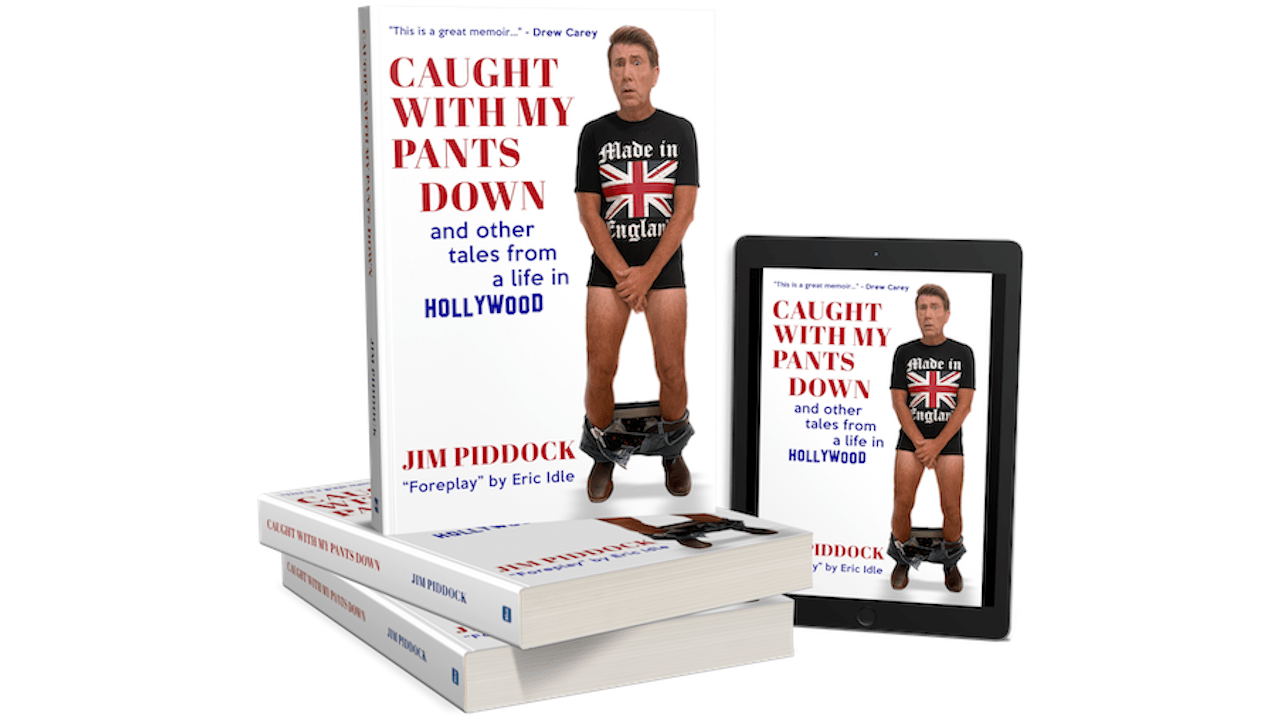
Interview with Jim Piddock who has recently published his autobiography, “Caught with My Pants Down – and other tales from a life in Hollywood”, a story about his life and career, from his humble beginnings in the UK to moving to America and acting in Hollywood.
Please can you introduce yourself and your book.
My name is Jim Piddock and if you don’t know the name you will almost certainly know my face and if you don’t know my face you will absolutely know some of the things I’ve either been in or written in because there are about 150 of them. I’ve been in Hollywood for the last 40 years and I’ve worked all over in showbusiness and my book, which has just come out is called “Caught With My Pants Down – and Other Tales From a Life in Hollywood”. It is part tell all, part confessional and I name names! It’s a light, breezy, irreverent romp through four decades of show business.
You’re now in America but you started out in the UK.
I worked for a couple of years as an actor in the UK and I left at the age of 24 in 1981. I left with $100 dollars in my pocket to take a job directing two plays for the drama school that I had been to in London when they opened a branch in California. I just went to have a nice little jolly and I did a one man show while I was there (Boy’s Own Story) that took off in a big way. A few months later I ended up starring on Broadway with George C. Scott. So my career went very, very rapidly in the early days. Then as I explain through the book there have been lots of ups and downs and branchings out. I stopped doing theatre and I started writing as well, so it’s been quite a hell of a ride, a hell of a ride.
What were your 1st jobs in the theatre and how did they prepare you for your career.
After drama school I got a job with a children’s theatre touring and my first professional role was a garden gnome, which was not quite Richard III or Hamlet but a lot funnier. Then after that I was working in weekly rep, which I don’t know if that exists anymore, so I cut my teeth by being thrown in at the deep end. I was playing these leads in plays and the play would change every week, so you would be rehearsing one while you were playing the other in repertory. It’s nuts, it’s absolutely bonkers but you learn how to learn lines quickly, how to be fearless on stage. The things that go wrong are nuts and I relay some of the stories in the book. So that was how I started and then this opportunity came up at a low point in my life. I’d been an actor for probably two and half, three years, something like that and then I came to America for 3 months and they still can’t get rid of me!
Was it really a difficult choice to stay in America?
It was, I mean I love England, I loved London living there, so it was difficult to go. So over the course of the next few years it was always a point of do I go back now or what do I do? But I really did reach a point of no return probably after my 3 years in New York where I was pretty much on Broadway non-stop, different shows and I was exhausted. I mean 8 shows a week is a lot of acting and theatre energy. I really wanted to do film and TV but I wasn’t getting any roles in New York and a lot of people I knew were, they were all being plucked out of the theatre, thrust into movies and TV shows. So I decided to move to L.A.. I could have gone east or I could have gone west. I went west and I had to almost start all over again because in those days being on Broadway meant nothing in L.A.. I had to sort of start from scratch and finally I started to pick up roles in TV and film and it sort of started to snowball. As I say I branched out probably 5 or 6 years after I came to L.A. started writing and then I sold my first screenplay for a fairly large sum of money that propelled me into a parallel career that I’ve been doing ever since.
You had success on Broadway as an actor and you did your first one man play “The Boy’s Own Story”.
That was the thing that took me to New York that got me from a small theatre in San Francisco that had 99 seats and had 4 people in the audience one night. It got me into New York because it got a lot of notoriety and they wanted to do it off Broadway, which I did. Then as I say I kind of auditioned for this play that George C. Scott was directing and starring in and I got cast in it and it became a huge hit and it had all sorts of great actors in it: Nathan Lane (his first ever Broadway play), Christine Lahti, Kate Burton, Dame Ivy all making our Broadway debuts, it was a great kind of springboard into the theatre world and I was pinching myself to believe that it happened. But I never wanted to be just a theatre actor, I always wanted to do film and TV and so I knew I had to make that decision. It wasn’t coming to me so I had to go to it. It was a little hard at first but I gradually got my foothold, more than a foothold and I’ve been incredibly lucky that I’ve worked now pretty consistently for 40 years.
You seemed to get consistently lucky throughout. What was your secret?
I’m not going to say anything you’ve not heard before. It is 10,000 hours. You know consistently lucky, first of all luck doesn’t come consistently. So it is pretty much an oxymoron, consistently lucky. If people were to say you’ve been so lucky throughout your career, yeah, I’ve had moments of luck and I’ve had moments of things where I’ve been on so many TV pilots where I could have made a fortune by the time I was 30 or 35 and become a major star but I just happened to be in ones that didn’t get picked up for whatever reason and that is a total lottery, so the luck goes both ways. It’s absolutely about work ethic and grounding and theatre gave me a grounding. So I think it is work ethic as much as anything. Anyone will tell you I have worked really hard to be lucky.
I’ve had probably I don’t know 7 films made as a screenwriter, I can’t remember 6 or 7 and I’ve had a number of TV series on the air, episodes of TV shows, but not massive amounts, that have got made. If you look at the shelves behind me, which you can’t do because this is not visual, but for everything I have made there are probably 8, 9, 10 scripts sitting on these shelves that have not been made, so that’s what I’m talking about the 10,000 hours. Malcolm Gladwell’s book about how you get any kind of skill is 10,000 hours of practise and so I have all these scripts and screenplays, some of which are infinitely better than the things that got made. Infinitely better. But they haven’t. So the luck goes both ways.
You mention in the book one of your dear friends that you competed with.
It’s one of the more serious chapters in the book. I’m actually glad you brought it up, because most people don’t talk about that. A friend of mine who was a British director, writer who I met when I first came to L.A.. We played in the same football team together and he was incredibly competitive as a soccer player … a football player and as a writer and we would literally like outsmart each other. He’d say, “Alright, how are you doing? I wrote 15 pages today,” which is like ludicrous. And I’d say, “Oh yeah, yeah, me too. I’m going to finish this screenplay in 3 days.” We would out do each other to the point where it became like the 4 Yorkshire men sketch, the Monty Python thing, but what was great about Duncan was that he was like, in racehorse terms, he was like a pacemaker for me. If we were running a marathon, I would have to keep up with him because I would have slowed down or had a breather. It was brilliant because that helped me engender a work ethic. Most writers write for 3 or 4 hours a day and that’s it, and I to this day because of Duncan write 7 or 8 hours at least a day, when I’m writing, when I’m really into it. Now would be the moment to find out that he was just bullshitting the whole time, he wrote 2 hours a day but sadly he can’t because the story is about how at the age of 41 he sadly passed away in a fire in Malibu Canyon. He was one of 3 people that died in one of the terrible fires that happened in 1993, he died because he went back to try and save his cat and got caught in a 70 mile an hour blaze that swept through the ranch he was staying at and sadly died and it was a horrendous experience, I had to go to the hospital and you know, whatever … the story is all there in the book in detail. The ASPCA which is the equivalent of the RSPCA in America actually named their highest award for people that performed heroic duties to animals after him, which was lovely. But it was a very tough time, a very tough time but I wanted to do that chapter as a tribute to Duncan Gibbens.
You seem to meet a lot of incredible people, is that fate?
There is a bit of fate, I guess I’ve been lucky. In the first film I was in, Lethal Weapon 2, that was my first film role and I had one scene but my one scene is with Danny Glover and Joe Pesci. My line, one of my lines became the catch phrase for the movie. They are trying to pretend that Danny Glover wants to emigrate to South Africa, which was in the time of Apartheid obviously and I suddenly see Danny Glover walk in and I say that you can’t emigrate and he says why not and my line was “Because you are black,” which Joe Pesci found highly amusing and kept repeating it throughout the movie afterwards, so it became a bit of a catchphrase and until this day I have people say to me, “But you’re black,” and very often they are themselves black, which is doubly amusing.
So that was good and then the film thing really started to happen and I’ve been in big films, big studio films. Two films which were top grossing movies of the year and I’ve been in a lot of independent films. I’ve tended to do small cameos in big films and big leading roles in more independent films so that’s the 2 parallels I’ve had and I’ve worked with god knows everyone, it’s a whose who. One chapter starts with 10 A-Listers I’ve worked with and I list the 10 names and 9 I love and one was a ‘four asterixis’ and you can put whatever word you like in the four asterixis. It was the one word the publisher made me take out! That chapter explained why I loved the 9, exactly why and for whatever reasons and then I really, with both barrels, give it to the person who I thought was horrendous and I don’t care. I’ve reached a point in my life and my career I can say what I want. I don’t care because I’ve earnt that and I’ll do it kindly or with humour but I think bad behaviour whether within showbusiness or outside of showbusiness has to be called out by people who are mature enough and old enough to be able to do it and are allowed to do it.
In that chapter I actually rehabilitate some people because some of those candidates for those four asterixis are what a lot of people would think would be the choice and I say in my experience, they may have had a terrible reputation and I was dreading the worst, but they were delightful, here’s why they were delightful. One can judge a book by its cover too much, sometimes you catch people at a bad time in their life. In the people who I do go after I don’t think that is the case otherwise I wouldn’t have gone after them. I actually left out a couple of stories of where I thought that’s not fair, I don’t know for sure the reasons.
You’ve also worked with a lot of top writers. Do you see yourself as an actor or writer?
I’m an actor, writer, producer and now an author. I wrote a film that was with Rupert Everett and Sharon Stone, those are pretty big names. I wrote a film ‘The Rock’ with Julie Andrews, Billy Crystal, Stephen Merchant and Seth MacFarlane, all sorts of people were in it. They’ve all been different experiences. I had no interest in writing a Jim Piddock resumé, that’s of no interest to me, what’s interesting is the philosophies and the things I learn from the stories and the fact that half the stories or more than half, two thirds of the stories are funny, and they are crazy and they are insane stories and I thought they would be entertaining so that’s really why I told them. The fact that there is a more serious deeper side to the book emerged as I was writing and a ‘what does this all mean?’ came through. The fact that I was actually searching for a family and I don’t mean in an ancestry.com way. So they were the more serious themes that emerged through the writing but essentially it is still a very very irreverent romp and brutally honest romp through four decades in show business and outside of showbusiness. I mean there are a lot of stories about my other big passion football.
Who’s been the most influential out of all the people you’ve met in the industry?
Towards the end of the book I talk about, because my father died quite young, that I’ve had a lot of father figure friends, very paternal male friends who are a bit older than me and I list who they are and I say probably the greatest is my 25 year friendship with Eric Idle of Monty Python. I grew up adoring Monty Python, they changed the way I thought about comedy because I didn’t realise you could be very smart, very cerebral and also very silly and rude at the same time. I just thought that was an incredible blend. I just thought it was revolutionary and I know why people think of them as the Beatles of comedy. So when 25 years ago I got cast in this movie and I had seventeen scenes with Eric Idle and Naomi Campbell the supermodel, I was thrilled. I was nervous about Naomi because she definitely has a reputation and Eric was a thrill to work with. We hit it off immediately. We have an awful lot in common. We were both sent away to boarding school at a young age, we both love football and cricket and writing. We spend a lot of time together on the phone and a lot of time in the South of France together where he’s had a place for many, many years.
I did a wonderful stage show with Eric that he wrote called “What About Dick?” which you can find on Netflix. The cast was Russell Brand, Billy Connolly, Tim Curry, Eric Idle, Eddie Izzard, Jane Leeves, Myself, Tracey Ullman and Sophie Winkleman. That was an amazing event. That I felt was a real privilege to be a part of. You are on stage with those people, you are on the same playing field and you’ve got just as big a part. You’re going wow this is amazing and the audience is going wow I can’t believe we are seeing all these people on stage. It was just four nights, it was taped and filmed and is on Netflix now. If you like double-entendres and people doing silly things, in silly costumes I think you’ll enjoy it.
It is a real ‘Boy’s Own Story’, you went to America and lived what many would consider the American dream.
I suppose that’s true. One never thinks of life in those terms. I remember hearing when I was a very young actor, it could have been Rod Steiger but I may be mistaken, saying someone asked him what success meant and he said, “In showbusiness success is survival.” That’s it survival. So I never set out to do all the fantastic, wonderful things I’ve been allowed to do, I just set out to have a career that would be in showbusiness as an actor and I haven’t been kicked out yet. I think at the end if I’m brutally honest I’d say I have had a spectacularly mediocre acting career and a very lucrative writing career. If I had been a footballer, I would have played for 20 years and had a great career in the championship and a short spell in the Premier League probably, here and there and now and again dropped down to the third level but I had a twenty year career. People would probably remember or maybe not.
Fortunately, I’ve been very lucky in that 36 celebrities have endorsed the book in a wonderful way, lovely, lovely reviews. They are at the beginning of the book of course, but I’ve had people say, this should be a handbook, this should be a bible at drama schools, which is lovely. It’s rude and crude in ways and it’s philosophical and highfalutin in other ways but it is from the horses mouth. It is not cerebral about the academics of acting, so on that level it is good. People who kind of love showbiz gossip like it.
What advice would you give to any writer or director looking to break into America?
I don’t know about breaking into America specifically, I can’t address that. Breaking in anywhere because if you make it big in any country now you’ll have a chance in America. So I’m going to answer that more generically and that is just do it, just do it, just do it. Write, write, write. Just finish it. Whatever it is. Get it out there. Director, filmmaker make a short film. You can do it for nothing on your i-phone now. It’s easier than ever. Make what you want to make. What you believe in, passionately. Then think, how the hell do I sell this? What’s my marketplace, who do I go to? Be ruthless about that and put as much time and energy into that as you have the creative side. It is showbusiness not showshow.
That would be my advice and I think that applies to anyone in England, in France, in America, in Canada, Australia wherever. You’ve got a global market already now at your fingertips on a computer. You don’t have to come with $100 in your pocket to have success in America anymore. You can do it from wherever you are and I can only wish you the best of luck and can only hope your journey be as exciting as mine.
Caught With My Pants Down and other tales from a life in Hollywood will be available in print, digitally and via audiobook from 23rd March!
Pre-order your copy now: https://amzn.to/3stS52j
(A large percentage of the royalties will go towards supporting Jim’s favourite charities BAFTA’s US Access for All program in America and the Palace for Life Foundation in England)
The interview in full is available here:

 The Language of Film