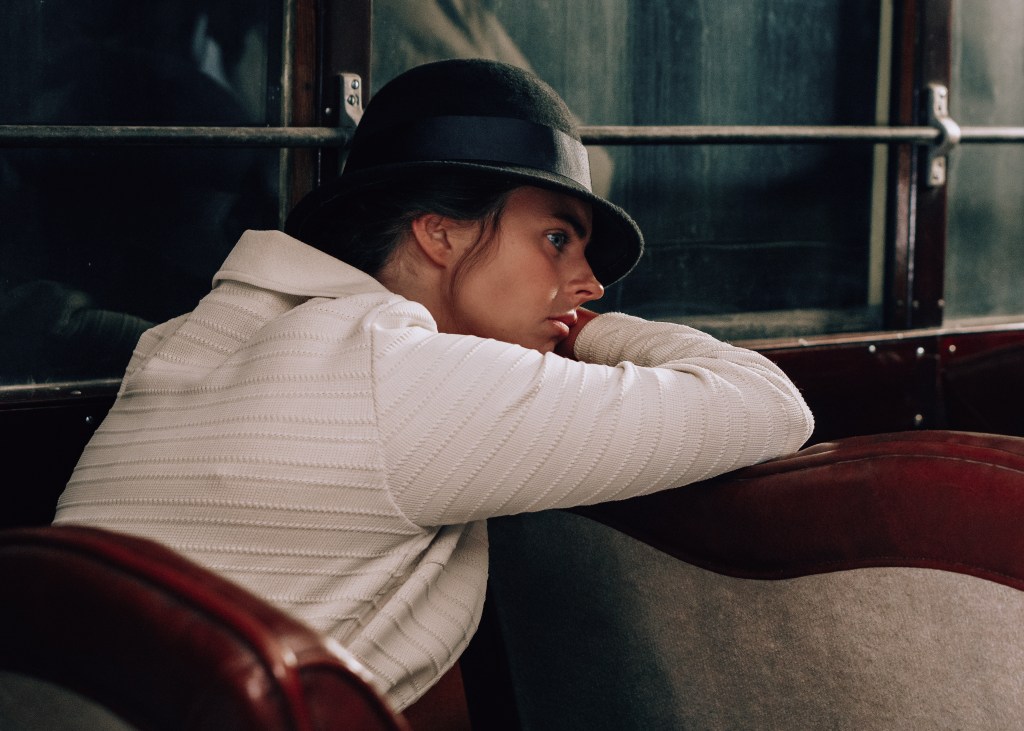
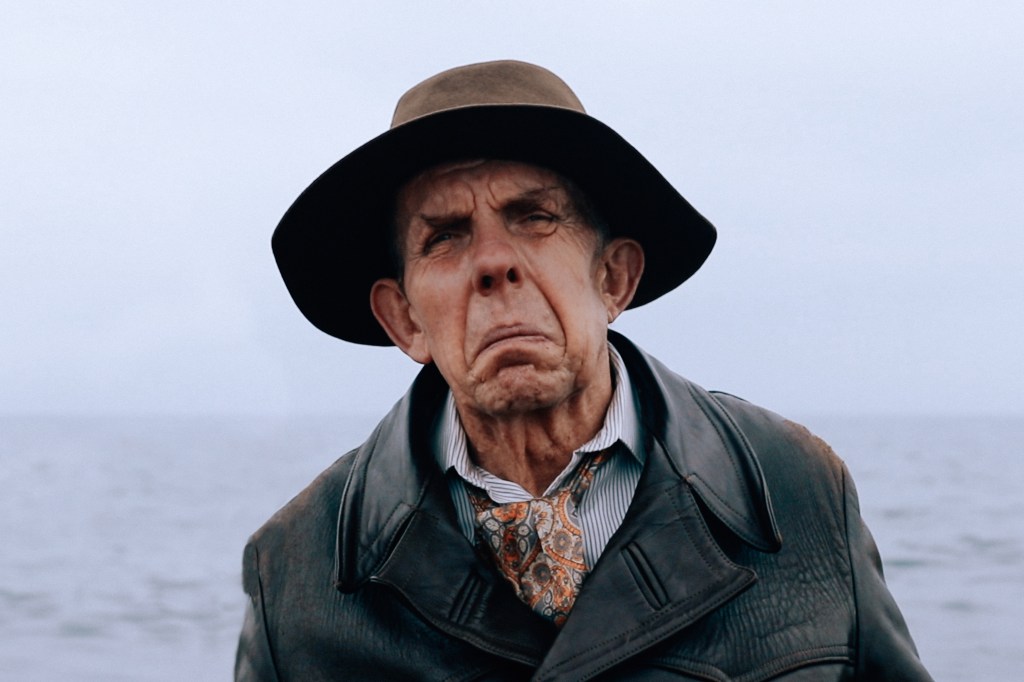
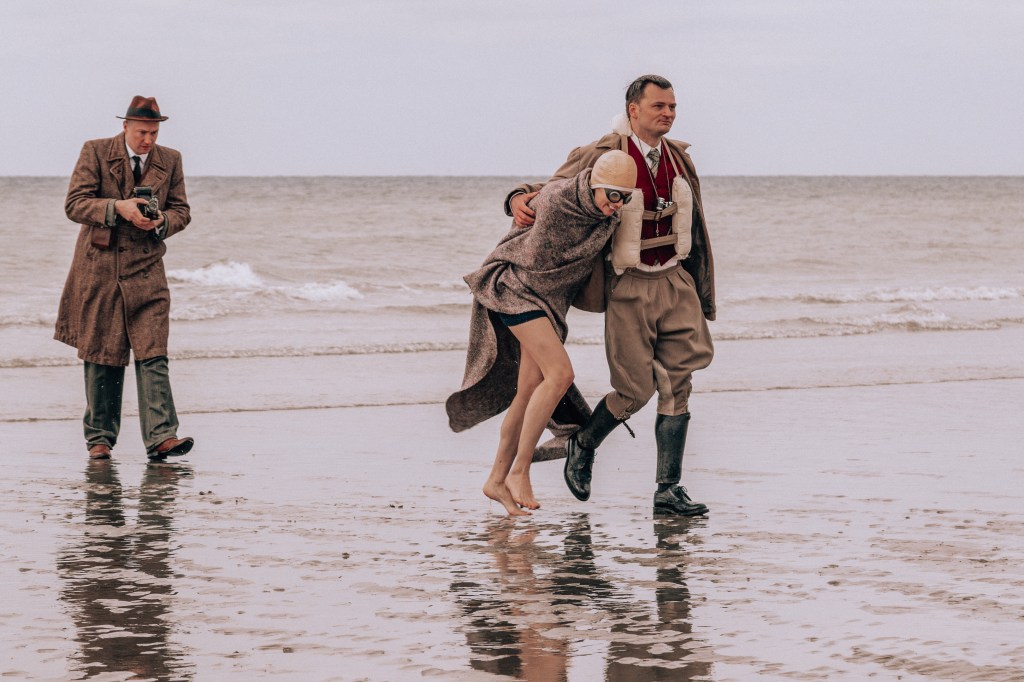
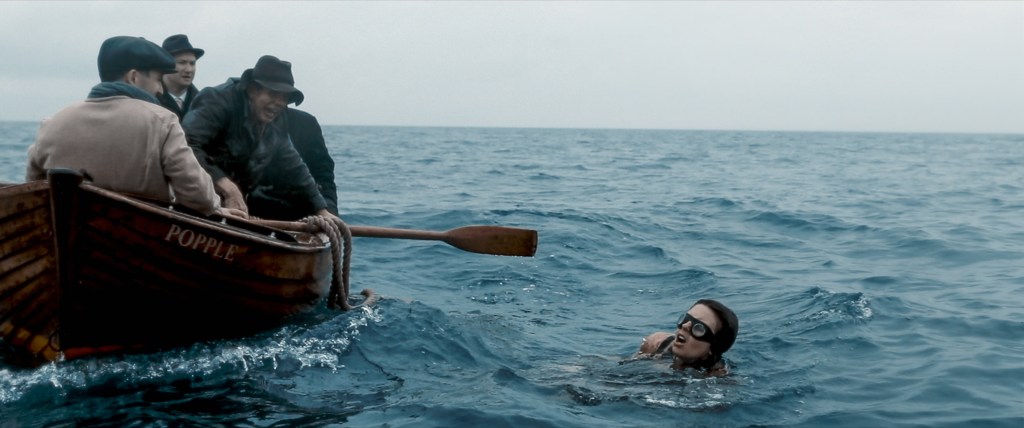
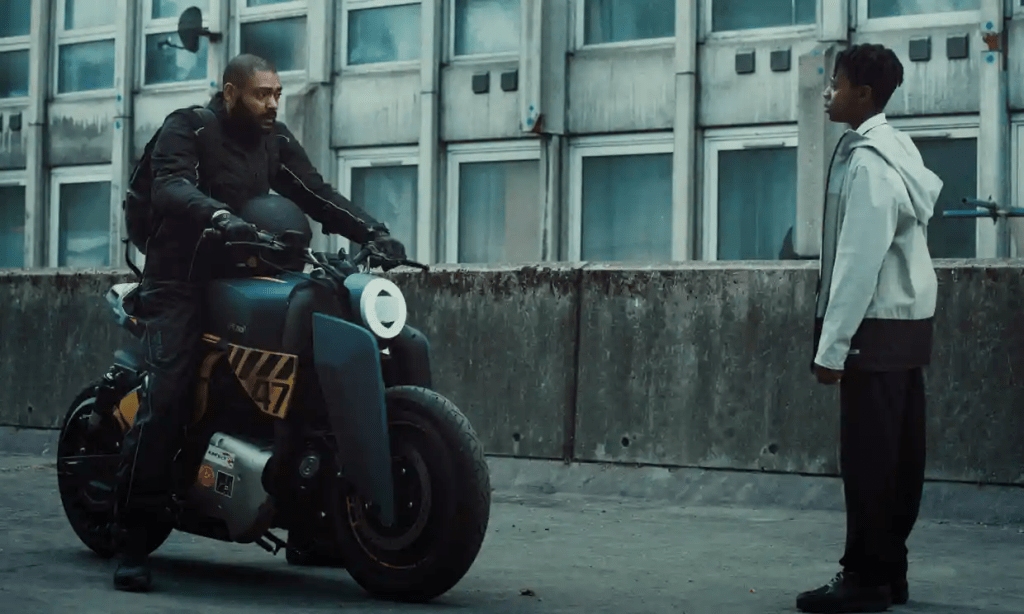
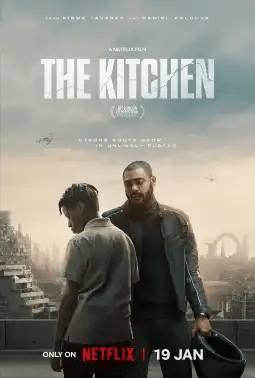
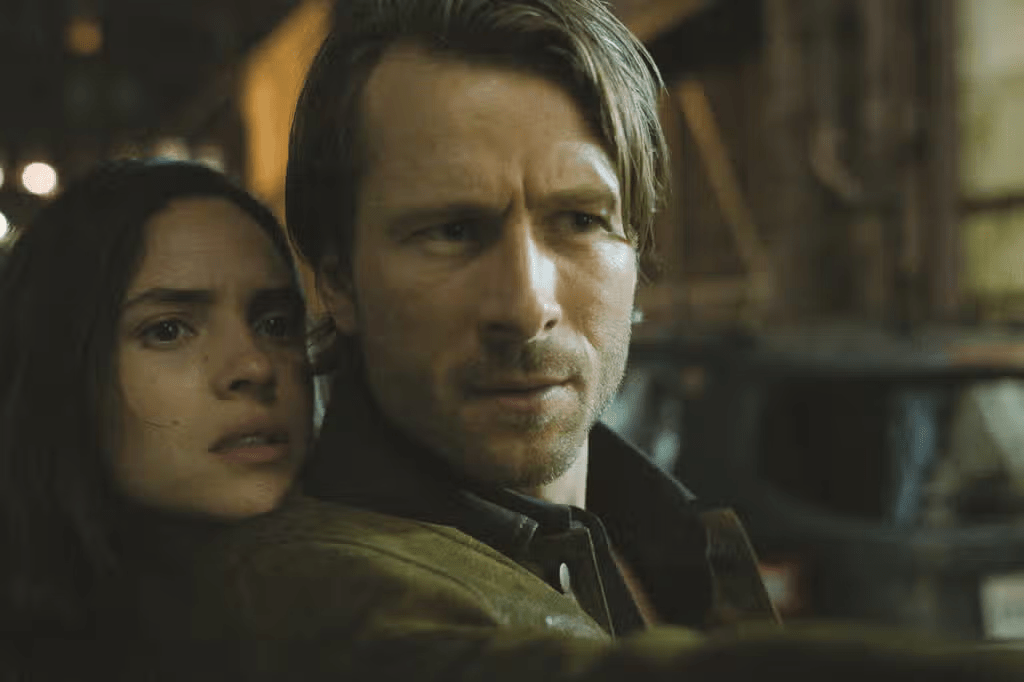
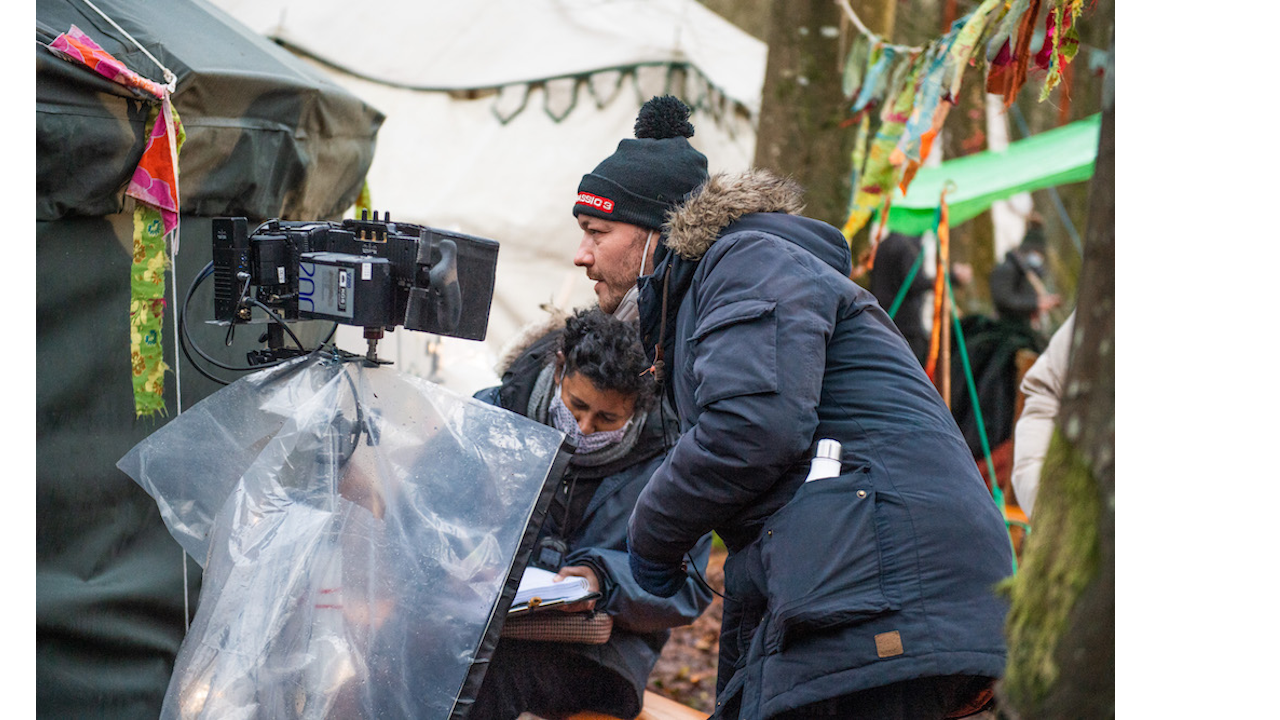
A British film by first time director Daniel Kaluuya (Get Out) alongside co-director Kibwe Tavares, The Kitchen is set in a dystopian future not too far from now. Tensions run high in a London housing project called the Kitchen due to the harsh conditions and notably from the oppressive tactics of the law enforcement. Most want to get out including Izi (Kane ‘Kano’ Robinson, Top Boy) who reluctantly takes a young kid, Benji (Jedaiah Bannerman), under his wing and tries to keep him out of trouble whilst looking out for his own future. Out now on Netflix.
Working in a funeral parlour aiming to move out of the project Izi meets a young boy Benji, whose mum has recently passed away and someone he knew from the Kitchen. Benji has nowhere to go and without a mother and with no father figure around it’s down to Izi to keep an eye out for him and keep him from straying to the cool biker gangs. Meanwhile the law enforcement agency continue a violent regime of raids on the estate aiming to shut down the community, which is holding out against its closure.
It’s a vibrant portrayal of a futuristic London done with minimalistic effort but with maximum effect. The architectural designs, with the housing project at its focal point, capture a futurescape rooted in the present but adding some subtle visual effects of holograms and drones for a Bladerunneresque style depiction of a run down estate and its surrounding shanty town.
There are strong performances from Grime music pioneer Kane ‘Kano’ Robinson (Top Boy) and a young debutant Jedaiah Bannerman who build a fatherly son bond from their Kitchen experience together. There’s also a ‘non-actor’ celebrity touch with footballer Ian Wright as DJ Lord Kitchener, who plays the good vibes on the radio for the community and who is also the social messenger giving out subterranean information over the public speaker system.
This is a grand marker laid down by actor come director Daniel Kaluuya alongside his collaborative partner here Kibwe Tavares that has a strong social message on inner city social issues, with a big heart and a vibrant back beat, it’s bound to resonate with film fans.
Scala: Sex, drugs and rock and roll cinema is a documentary film telling the story of the infamous Scala cinema renowned for its all-nighters in one of London’s once seedier parts, Kings Cross, attracting both film and non-film enthusiasts alike, including many future film illuminati. This is a vivid description of one of cinema’s fabled venues, its rise and fall, and the shenanigans in-between that left an indelible mark on UK cinema. Opening in cinemas in the UK & Ireland on 5 January 2024. BFI Player & BFI Blu-ray release on 22 January 2024.
Based on the book Scala Cinema 1978-1993 by Jane Giles a former programmer at the cinema this is an entertaining frolic through the history of a London cultural landmark, with its unmistakable white picture palace dome sticking out from the London skyline, a place so seemingly void of regulation it’s a wonder the cinema lasted as long as it did.
Told through the eyes of the folks that were there including many well known names in the film and entertainment industry such as filmmakers Peter Strickland, Beeban Kieron and Ben Wheatley who contribute amongst the revealing insights from those that worked there and the movie fans who dared venture through its doors.
The experience clearly left an indelible mark on them too with accounts that would have most people walking out before the trailers began. Comedian and journalist Adam Buxton describes the otherworldliness of the palace with the sound of the trains inside and the element of the unknown when leaving to face the late night (or early morning) streets of King Cross.
Ralph Brown who played the unmistakeable druggie Danny in cult classic With Nail & I worked at the cinema and recounts how he had his own dodgy side business there, very much in keeping with the character he would later become famous for playing. The box office staff too had their own halloucinagenic mushroom experiences that seemed to go hand in hand with the various vices in the cinema and the surrounding area.
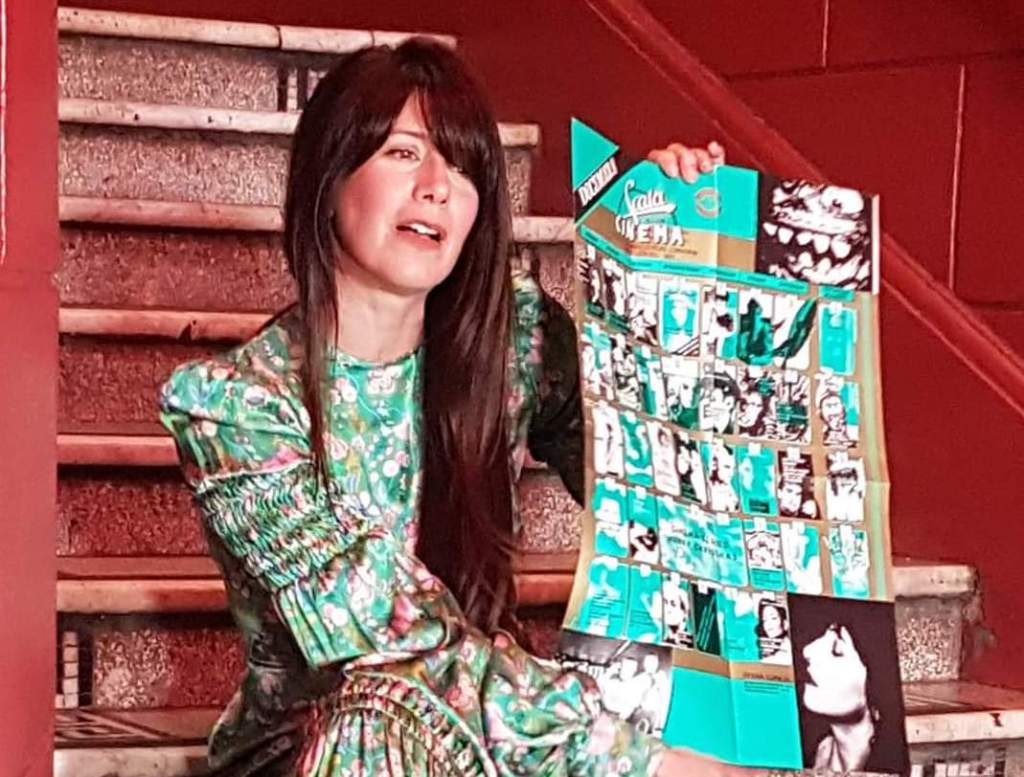
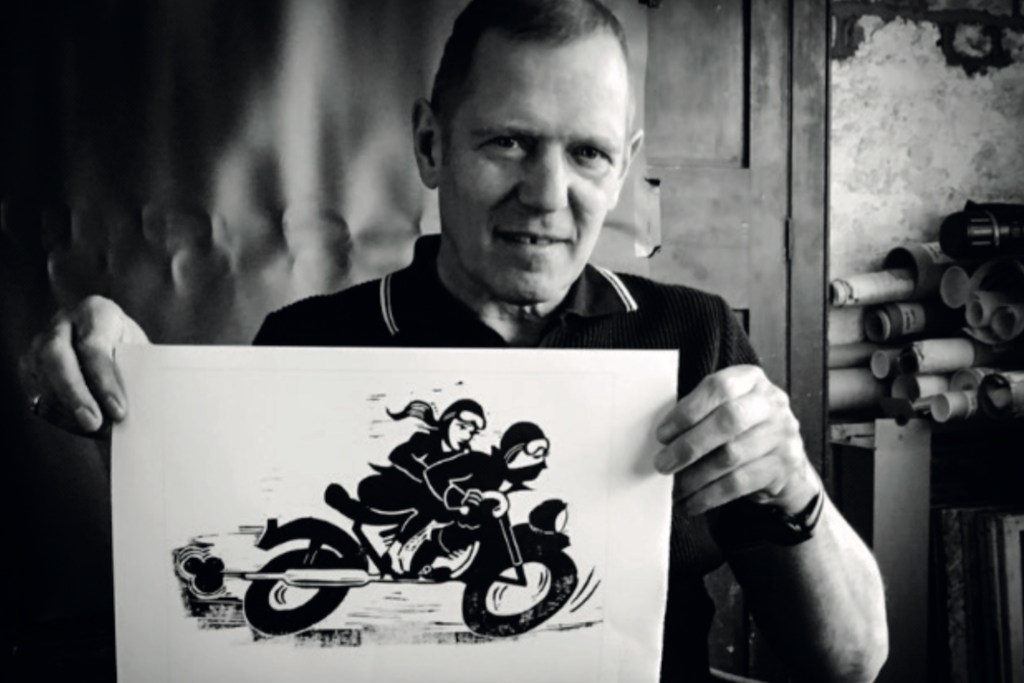
The monthly programme was eagerly anticipated and was a piece of art work itself, designed by Mike Leedhamand Patricia McGrath, fans were keen to find out what was showing next – which was unlikely to be showing anywhere else soon. The cinema provided the kind of innovative genre busting programming only found at quirky film festivals, its daily changing double-bills and unforgettable all-nighters introduced Shock Around the Clock horror, sexploitation, LGBTQIA+ and Kung Fu specials all at low prices and often for free – especially if you knew someone who could get you in!
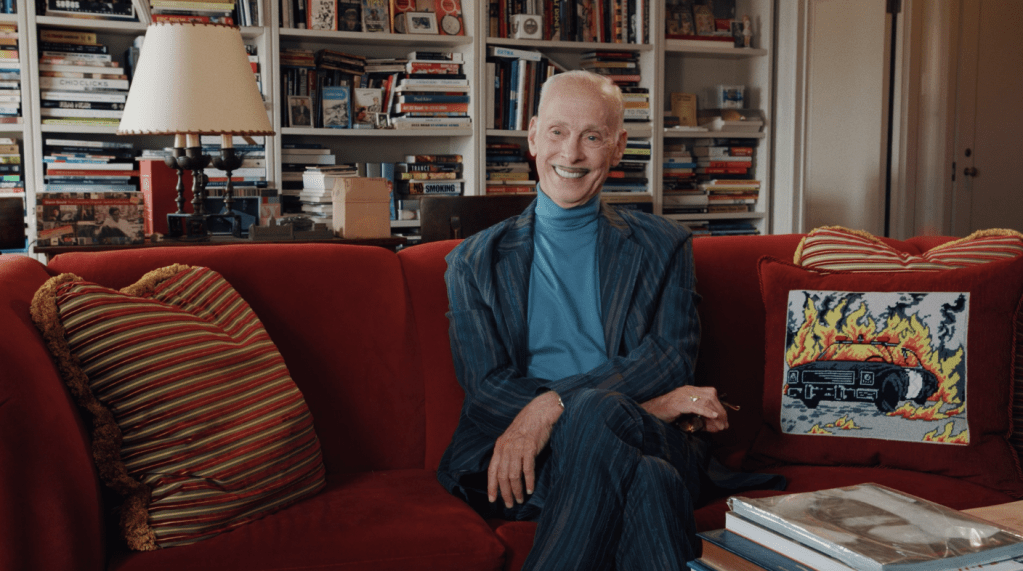
Featuring some of the most revered alternative auteurs who pushed the boundaries of decency such as John Waters’ film Pink Flamingos (1972), whose ultra-bad taste film starred drag artist Divine and Curt McDowell’s Thundercrack (1975), whose film was in such bad taste it was played until the 35mm print disintegrated.
John Water’s eventually admits he got arrested for his filmmaking, which he laughs at the comparison with the Scala’s own run in with the law. The cinema was closed down after screening the then banned film, Stanley Kubrik’s A Clock Work Orange (1987). Unable to pay the fine and its lease about to run out the cinema’s doors closed for good.
If you thought cinema was just about Marvel movies and multiplexes this documentary will give you a reassuring shot in the arm that no consumer panel featured in the making of any of these movies. With its own resident cat likely to give you a fright of its own, it was described as the kind of cinema where it could be difficult to know which way to look for the most shocking spectacle.
It’s a great tribute to its founders and the people that worked there who shared their love and knowledge of film with as wide an audience as possible welcoming a community of misfits and vagabonds, whilst managing to inspire a few well known alumni of its own – not least the film’s writer and director, who incidentally, took the rap for the Clockwork Orange lawsuit!
Scala: Sex, drugs and rock and roll cinema, an accompanying BFI Southbank season of the Scala’s greatest hits, running throughout January with selected films on BFI Player.
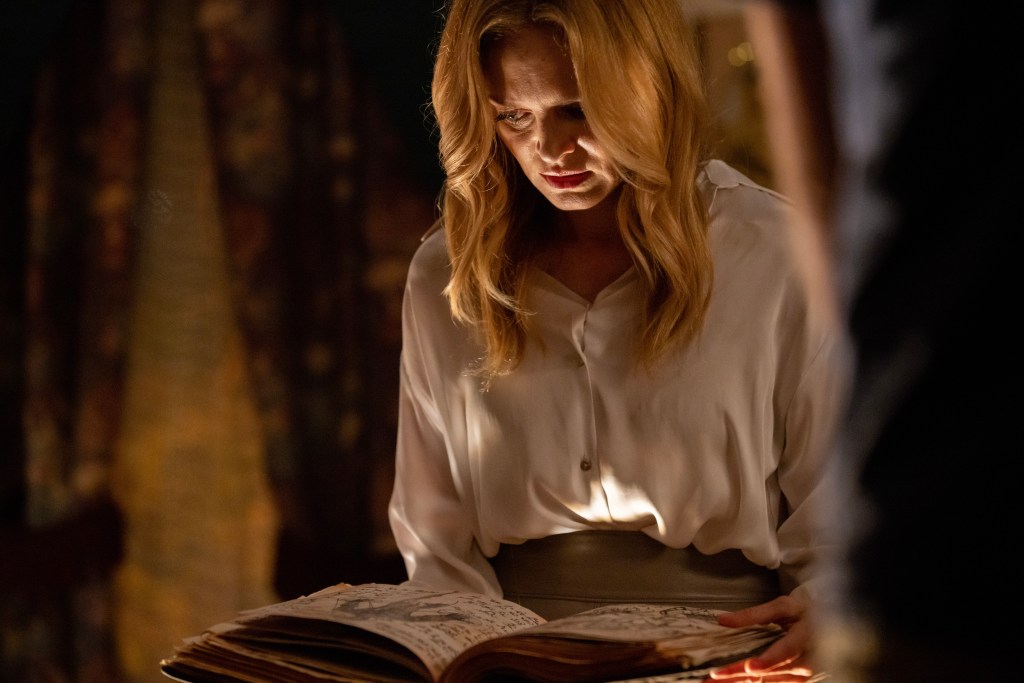
Suitable Flesh stars Heather Graham as a psychiatrist who becomes obsessed with a young patient suffering from an extreme personality disorder that leads her into a dangerous family occult. Having opened this year’s Pigeon Shrine FrightFest its release is just in time for the Halloween spook season. Now available in UK cinemas and on TVOD.
Psychiatrist Elizabeth Derby (Heather Graham) is in a padded cell in a psychiatric hospital, she’s there for murdering the person in the bodybag which has just arrived in the hospital morgue and she’s still highly disturbed by their presence there. Looking totally out of sorts, her doctor friend Dr Daniella Upton (Barbara Frampton) comes to find out what’s happened and so she begins to recount her story.
We flashback to her life before all of this, a happily married psychiatrist with her own practice before she’s visited by a young student (Judah Lewis) who says he’s read her book on Out of Body Experiences (as a Symptom of Schizophrenia) and that he’s had an out of body experience himself. With all his twitches on show he pleads with her to help him and she agrees to take him in her office where he has an episodic attack that has him convulsing on the floor. His personality is momentarily transformed but despite some pretty inappropriate behaviour Dr. Derby is taken-in by the patient and is willing to help.
Not being able to get the patient out of her head she visits his home where she curiously lets herself in to the open house. She finds the father (Bruce Davison), a somewhat cranky old gentlemen, who has an interest in another book with some strange occult like drawings and his own degree of inappropriateness. He sends her on her way rather abruptly but she’s soon back again when she receives an emergency call for help and finds the father unconscious on the floor. This time when she tries to help, the son intervenes, he’s in a state of high anxiety and starts ranting he needs to cut off his head and cut out his brain, at which point his father raises from the dead and then things start to get pretty weird.
The out of body experiences take on a David Cronenbergesque dimension with an 80s synth sound demanding some high tension and combined with a sultry sax it switches into a soft porn erotica experience capitalising on the multi faceted allure of Heather Graham, who puts in a kooky performance as she takes on the split personality roles head on.
Director Joe Lynch puts in some high gore to please the horror fans amongst the shuddering psychosexual melodrama and just before you can say how completely ridiculous it all is he drops a one liner to bridge the ludicrousness and ease the psychopathy. It’s a win win for genre fans looking to be entertained this halloween with some mind bending b-movie gore.
Film: Suitable Flesh
Director: Joe Lynch
Genre: Horror
Stars: Heather Graham, Judah Lewis, Barbara Crampton
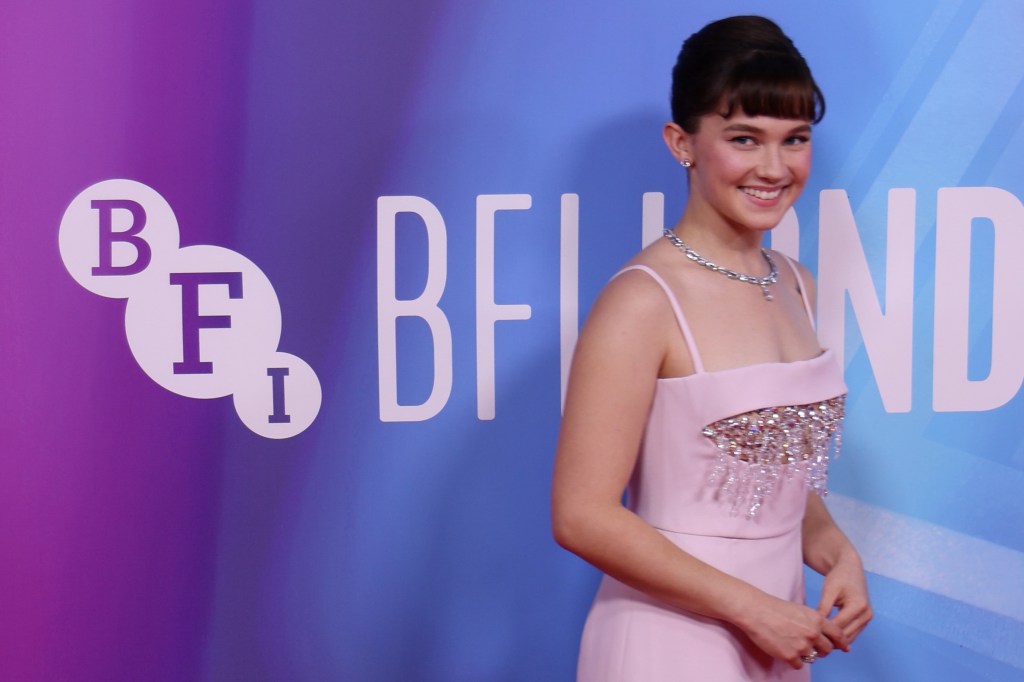
Director Sofia Coppola brought her latest film Priscilla for the red carpet treatment at this year’s BFI London Film Festival. The biographical story of Priscilla Presley, wife of Elvis, has been adapted from the book Elvis and Me by Priscilla Presley and Sandra Harmon. Priscilla tells her story of how a young girl falls in love and how she grows up living in Graceland with the world’s biggest star.
Who better than Sofia Coppola, director of Marie Antoinette, to put the spotlight on a female protagonist living in an unparalleled world of fame and riches. Starring Cailee Spaeny and Jacob Elordi it’s bound to be a fascinating watch to make the comparisons between the lead actors’ performances with what we know about the life and times of Priscilla and Elvis.
BFI London Film Festival / Photographer: JJBFI London Film Festival / Photographer: JJ
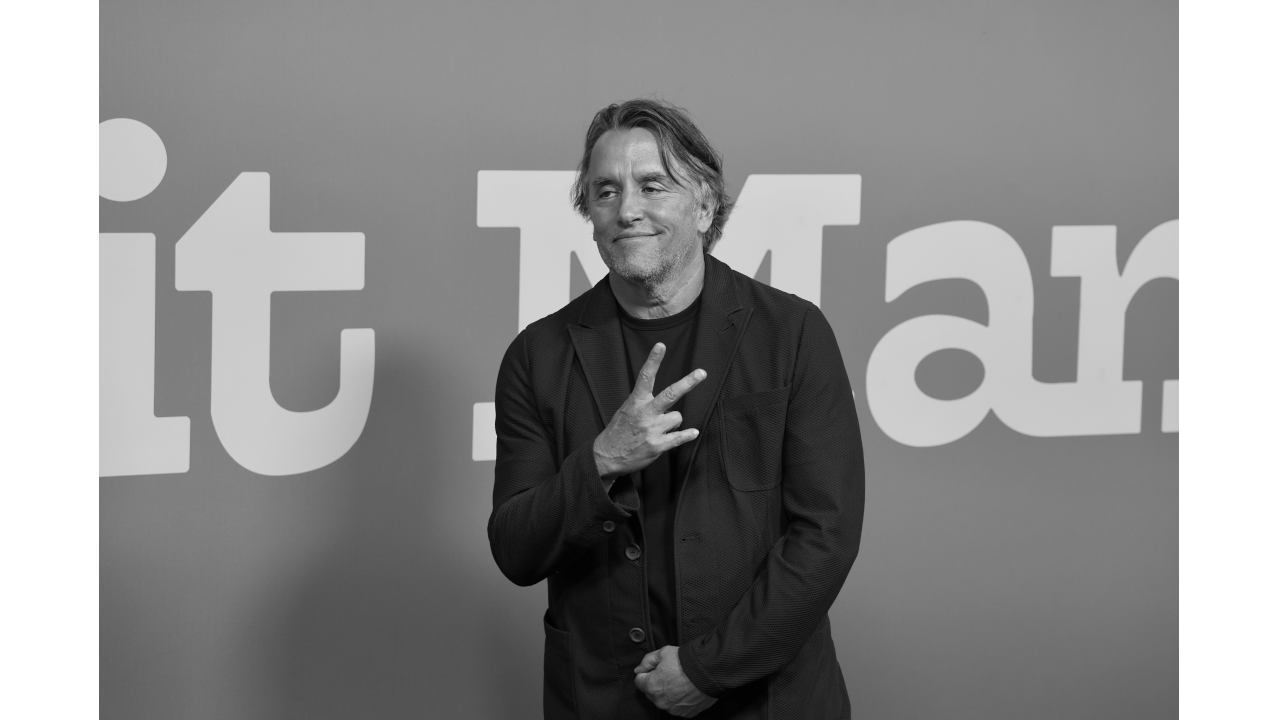
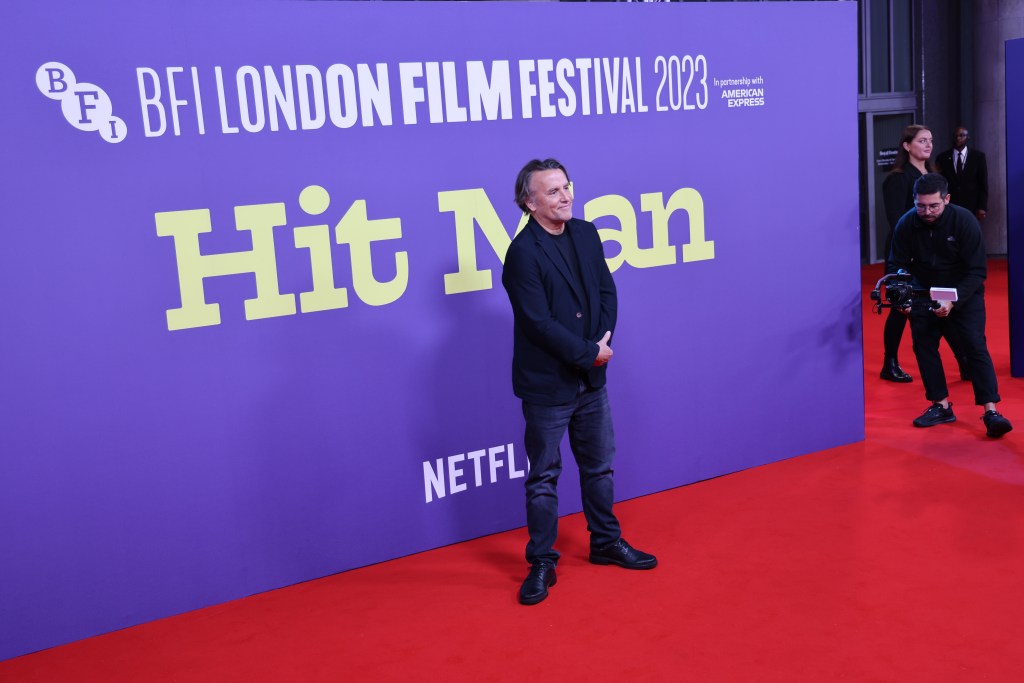
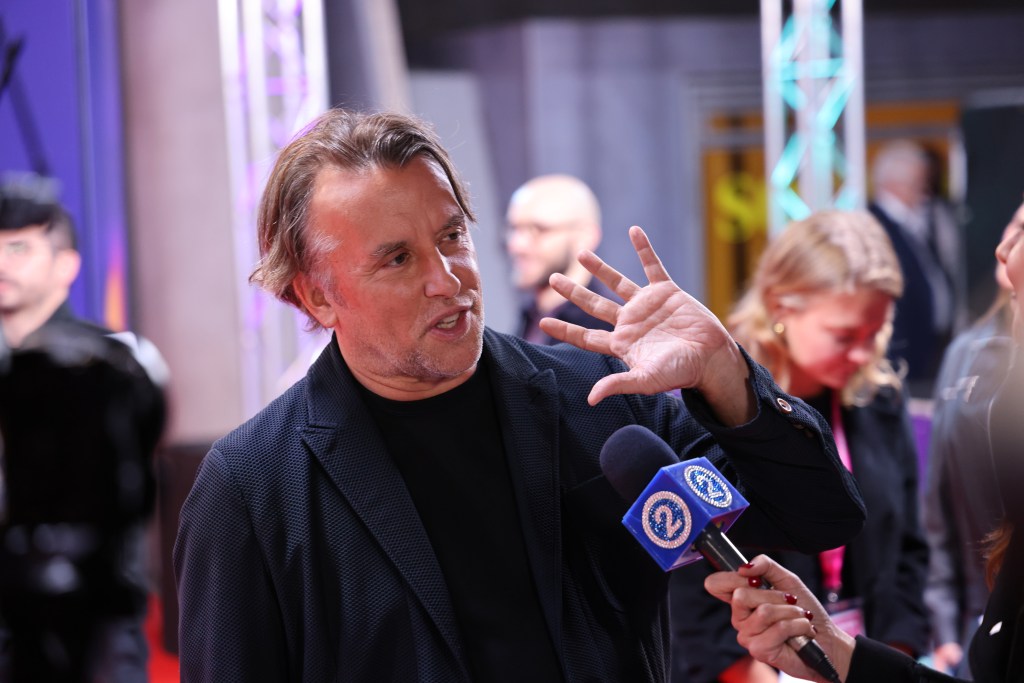
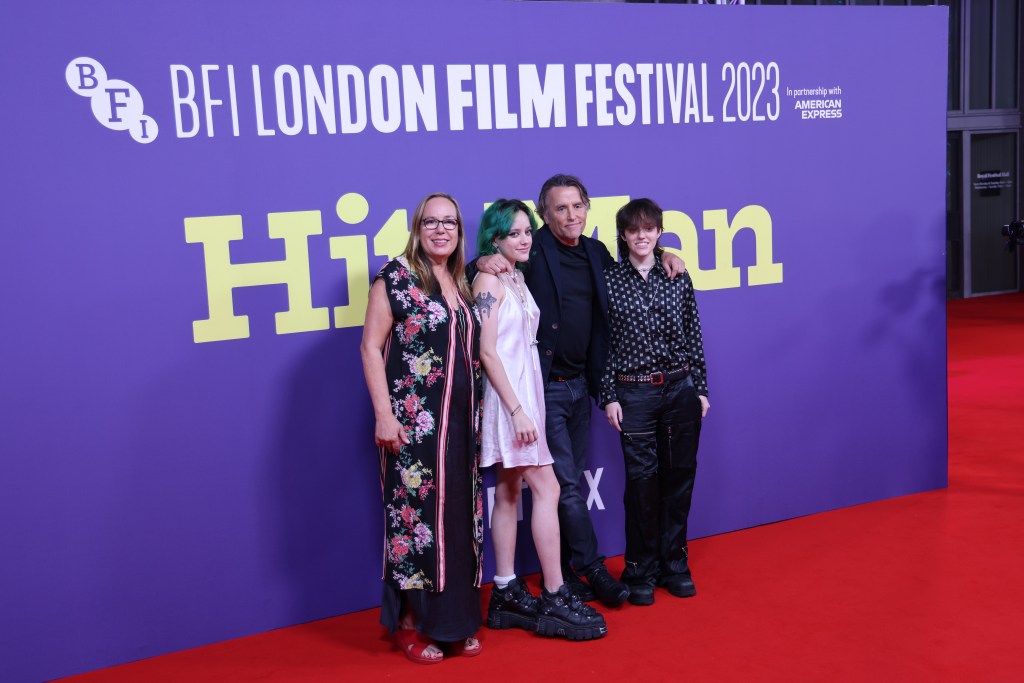
Director Richard Linklater’s latest movie Hit Man had its London Film Festival gala showing this week, a romantic comedy thriller starring co-writer Glen Powell (Top Gun: Maverick). It’s a film based on a true story about a mild mannered police liaison officer, Gary Johnson, who goes undercover as a ruthless hitman to catch a felon only to fall in love with the femme fatale (Adria Arjona).
With Richard Linklater’s catalogue of successes from Before Sunrise to the School of Rock and Boyhood this likely to be a festival hit for sure.
BFI London Film Festival / Photographer: JJBFI London Film Festival / Photographer: JJBFI London Film Festival / Photographer: JJ
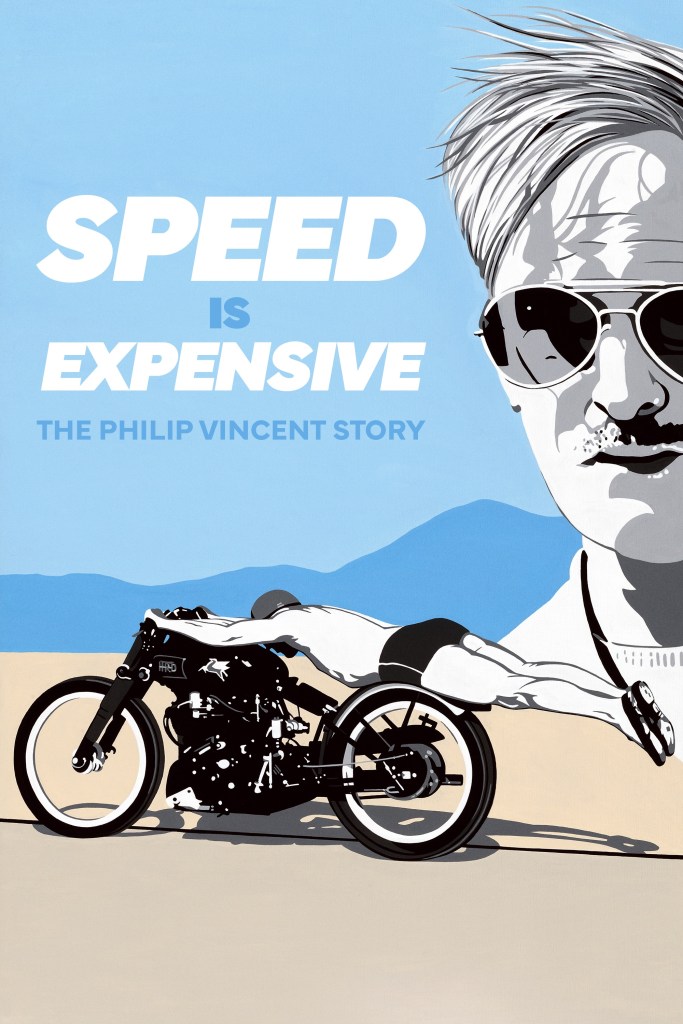
You’ve heard of a Harley Davidson, maybe even a Norton but have you heard of the Vincent? No? Well, this is the story of Philip Vincent and his motorcycle manufacturing company which made hand-made British bikes in Stevenage that would dominate the land speed records during the 40s and 50s. Speed Is Expensive will be available on Digital Download from 25th September.
This is a fascinating biography of a British motorcycling pioneer, Philip Vincent, narrated by Ewan McGregor, who brings a suitable amount of film star quality from the British motorcycle enthusiast’s perspective, piecing together the archive footage of Philip Vincent and his fledgling company along with his family’s home movies and interviews.
It’s a remarkable story of a prodigy who left an indelible mark on the world of motor racing, which could so easily have never happened. Philip was born in Argentina, the son of a colonial rancher and came to the UK to be educated. His academic prowess got him into Harrow and Cambridge, where he was basically asked to leave because he was spending too much time building and riding bikes.
After leaving Cambridge, he became the youngest owner of a motorcycle manufacturing company at the age of just 19 when he bought his racing hero’s company, Harold Raymond Davis (still the only man to win the infamous Isle of Man TT on his own hand-built bike).
Alongside another prodigal force of nature, Phil Irving, who travelled thousands of miles from Australia in an HRD sidecar to join the company, the two Phils would make a formidable partnership transforming the motorcycle industry with their inventions.
The stories and insights into a man and his legacy are made all the more perceptible because Philip Vincent was a keen camera enthusiast all the way back then. His family archive footage is combined with some well crafted filming of his bikes in action including the test drives from the warehouse and racing at the Isle of Man TT, all of which have in turn been lovingly put together by director David Lancaster.
The life of this eccentric British inventor is further imbued by the amusing stories of a bygone era from the people who were there, like when one of the test riders was caught speeding down a country lane only for the judge to throw the case out as nonsense because no motorbike could travel at 110 m.p.h..
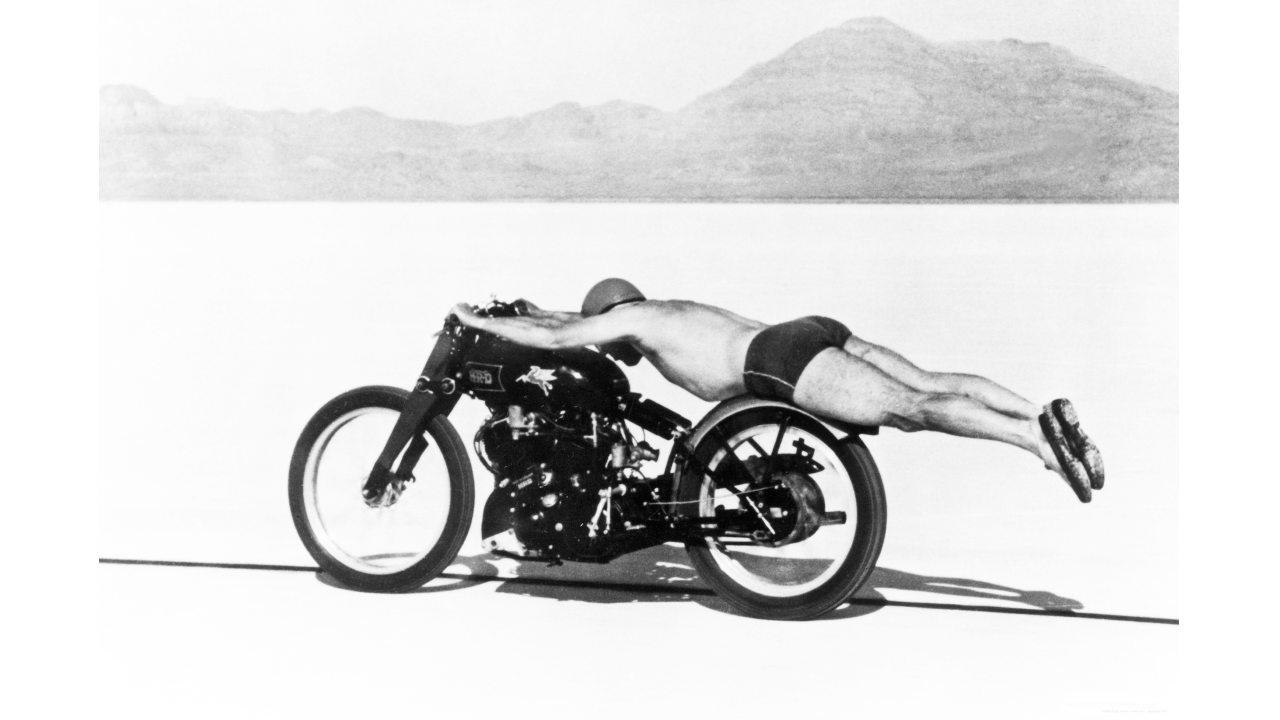
Then there is probably the most iconic motorcycling photograph ever taken of a man riding a Vincent motorbike in just a pair of briefs and plimsoles whilst laying horizontally, perched on the back wheel arch, arms out stretched holding onto the handle bars. This isn’t any staged photographic pose for artistic endeavour, this is a picture of Rolly (Roland) Free breaking the land speed record at 150 mph on the salt flats of Utah in the USA. The story along with the photo has to be seen to be believed.
The fact that the Vincent bikes attract a following of the rich and famous is further testament of its place in history and its cult status confirmed by a quote from Hunter S Thompson. The bikes have been written about in songs, featured in books and have sold for millions at auctions with fans describing the Vincent as a mythical beast, and to hear its effortless mechanical purr captured on black and white celluloid is a sight well worth the watch.
Film: Speed is Expensive
Director: David Lancaster
Stars: Ewan McGregor (Narrated by), Jay Leno, Paul Simon
This is a bitter sweet drama about the lives of a pair of siblings and how a fateful school trip to see their favourite pop idol, the legendary instigator of glam rock Marc Bolan, led to life changing consequences. Bolan’s Shoes will be in UK Cinemas from 15th September.
The story begins on the school bus trip to see the glam rock star with their teacher played by Louis Emerick in his affable Liverpudlian accent, who unashamedly “Gets It On” in the spirit of all things glam rock wearing the signature glitter face paint, whilst air guitaring to T. Rex’s legendary riffs.
The children are larking about having a good time until we see the first signs of trouble as the kid sister (Amelia-Rose Smith) has to intervene to stick up for her brother (Isaac Lancel-Watkinson), planting a headbutt on another kid who has been bullying him. Then later on, after the concert the high spirits get out of hand on the bus again as the brother is egged on by the bullies to set a box of matches alight. The subsequent blaze distracts the bus driver, who veers off the road crashing the bus. Amongst the injured, the bus driver and the sister’s friend are pronounced dead.
From the bus crash we jump some 40 years later and see the sister’s (Leanne Best) love of all thing’s Marc Bolan hasn’t waned. She’s baking a Bolan cake and is planning a trip to London to commemorate the singer’s 75th birthday, ensuring she remembers to bring along the singer’s glittery platform shoe she was “gifted” all those years ago.
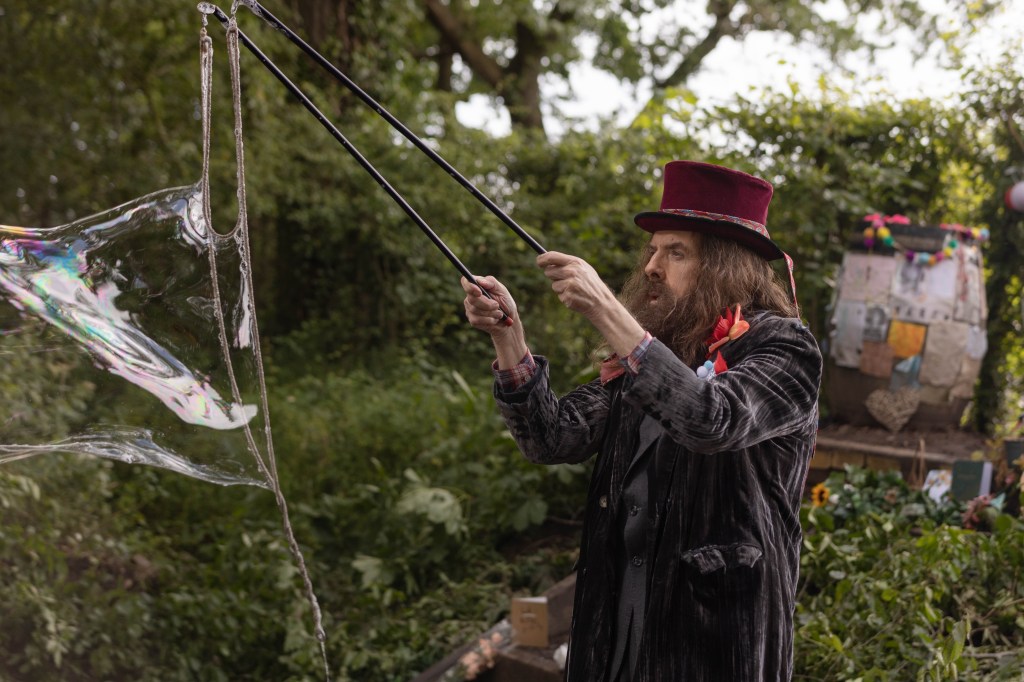
The London trip is to the Marc Bolan memorial at the sight of the car crash where the pop star lost his life and there is a gathering of people to commemorate the occasion including Bubble Man, who we discover is the sister’s brother Jimmy (Timothy Spall), now a reclusive street artist. He suffers a fit in front of his sister which has a traumatic impact on her and her sudden downward spiral culminates at her husband’s (Mark Lewis Jones) afternoon tea reception. Her secret past begins to unravel and she urgently needs to practise her elocution lessons to try to maintain her identity and keep up her appearance amongst a clicky crowd of Welsh vicar’s wives.
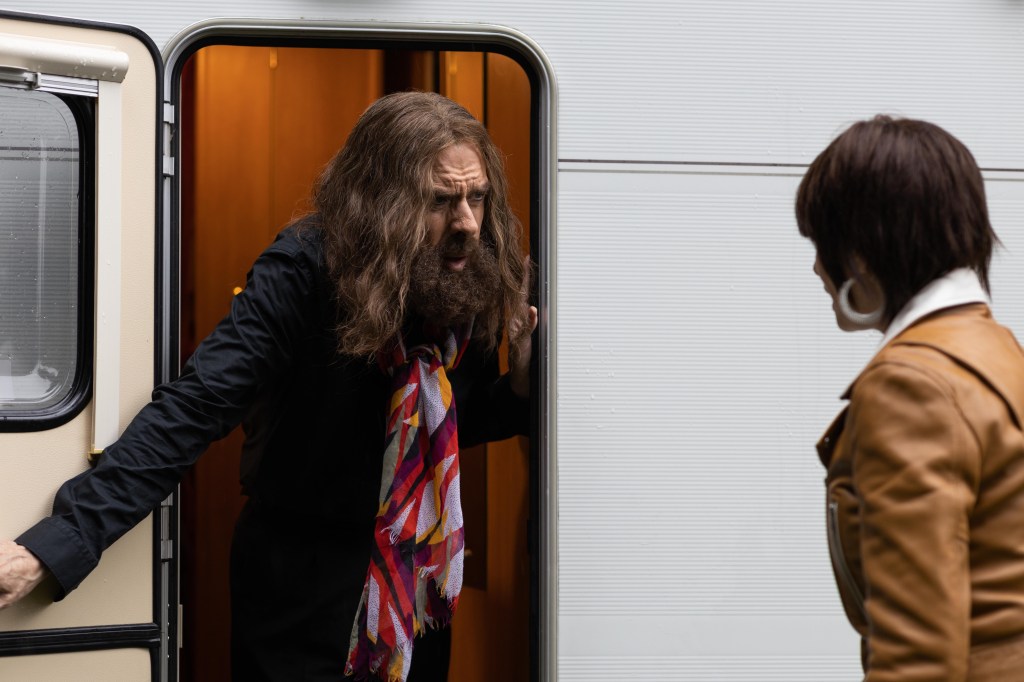
She seeks solace by returning to the memorial site visiting her brother’s camper van, which inside is a memorial to both the Bolan crash and the school bus crash. Reunited together after being separated since childhood, Jimmy’s been badly affected by the crash suffering with OCD symptoms and twitchy mannerisms, played with a gentle deftness by Timothy Spall. “I have schizoaffective disorder, easy for me to say, bi-polar schizophrenic, double whammy,” he declares to his sister in a light Scouse accent.
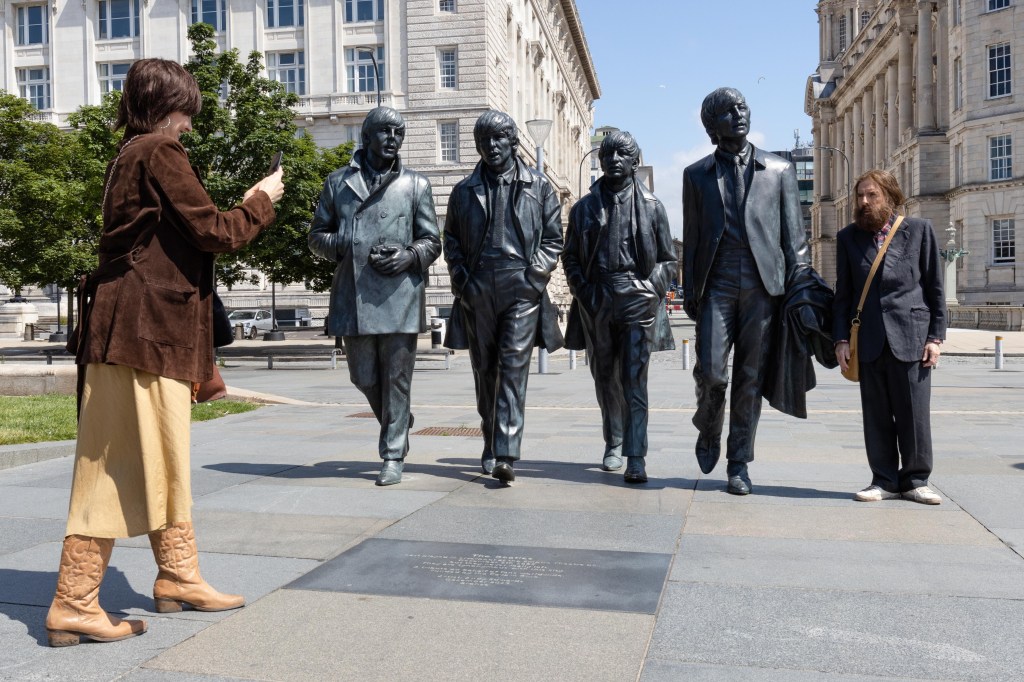
There’s a strange interlude in the night that disturbs an unconcerned sleeping Jimmy who is forced to entertain a group of midnight revellers in his camper van led by a delightfully obnoxious Mathew Horne, but thankfully his little sis comes to the rescue once again coming head-to-head with another bully of her brother’s. The next day, Jimmy’s guilt about the accident pours out to his sister, which is all the motivation she needs for them to pack up and go on a road trip back home to Liverpool to put the past to rest. But it’s little sis who has some explaining to do of her own.
Despite the lugubrious subject matter of childhood trauma and dealing with mental health issues there is a light heartedness running through the film created by director Ian Puleston-Davis. There’s a shared humour and a shared love of glam rock between the siblings even into their middle ages and with an upbeat soundtrack full of Bolan’s T. Rex hits like “Children of the Revolution”, “Light of Love” and “20th Century Boy”, it all helps keep the mood from dropping too far below whimsical and nostalgic in spite of the plot’s disturbing psychological twists and turns.
George Kane is a BAFTA nominee director, writer and a graduate of the National Film School in Dublin. His new film Apocalypse Clown, is a riotous end of the world horror comedy set in a post apocalyptic Ireland.
In UK and Ireland cinemas from 1st September 2023.
1. Could you please introduce yourself.
Kane. George Kane. I’m the director of Apocalypse Clown and such TV comedy gold as Inside No 9, Brassic, Wedding Season, Timewasters and Crashing, among others. Nice to meet you.
2. What’s a brief synopsis of the story?
After a solar flare event, four bottom of the barrel clowns and a clickbait journalist emerge into an Ireland that has lost all power, technology, and digital communications and has descended into anarchy in the space of 24 hours. In pursuit of their goals, the ragtag bunch traverse the country in a wind-up clown car, on a journey of self-discovery.
3. What made you want to make an end of the world clown comedy?
I’ve been part of the film’s development since day one. The writers had written and performed a hilarious play called CLOWNS and we decided to build an outlandish comedy adventure film around the 3 central characters. Initially, it was a Tropic Thunder/Three Amigos style romp in West Africa – then Covid and lockdown made us reassess the project and adapt it for a homegrown Irish shoot. The end-of-the-world idea emerged, made us all laugh and felt like nothing we’d seen before. So we committed, hard.
4. How did you meet the Irish Comedy Outfit ‘Dead Cat Bounce’ who wrote the script?
They saw me across a bar, dug my vibe and sent me a drink. One thing led to another…
What actually happened was that I was invited to see them back in 2008 by an RTE comedy executive, when they had just started performing as a comedy rock band. I loved what they did and got introduced. They soon met with me about a TV pilot they were making – that didn’t pan out for me, but we stayed in touch, became friends and were suddenly thrown together when our Discoverdale project sprang out of thin air in 2011. We clicked so well during that whirlwind that we decided to keep working together – and Apocalypse Clown was born out of that.
Send In The Clowns – Directed by George Kane – Photo by Ruth Medjber
5. What challenges did you face turning the script into a film?
The classic adversaries of time, funds, scheduling, Covid and trying to realise a 100 minute cross-country road-trip movie within a 30km radius of north Kildare. When you start prepping a shoot, somebody breaks down the scripts and estimates the number of days required to shoot the thing. If it’s not enough time, or a real squeeze, you need to get creative with script, locations and everything else to make sure you can achieve it in the time you have. Luckily we had a smart and committed crew and a fantastic cast who threw everything they had at it.
6. How did your previous film experience help prepare you to make this film?
My TV experience was crucial – I’m not sure I would have pulled this off 5 years ago. Since then, I’ve shot stunts, complex action scenes and shot around absent cast members during Covid – many pressurised schedules. All that experience fed into my planning and ability to adapt from hour to hour. Plus I’m an editor, so I plan like one – which helps! I’ve been directing comedy professionally for 15 years now, so I felt confident I’d be able to help the cast be as funny as they can be.
7. What were the most fun or difficult scenes to shoot? Why?
Anytime I had the three central clowns in one space, I had a blast. The prison, the crashed yellow clown car where Funzo has her existential crisis… The writers’ dialogue was so sharp and silly and David, Natalie and Fionn bounced off each other so well… they were a joy to watch and to direct. Also – all the car stuff where we also squeezed Amy and Ivan into the creaky old Renault 4. The funeral scene was great fun – and I had my Dad there too, dressed as a clown, sat in the congregation – so that was lovely!
Our first day was in the village of Ballymore Eustace, which we closed off. It was a very tough day to complete for our first one… and all the Big Top stuff was a real challenge. Jugglenauts, fire, gunge pits, stunts and fights… while also shooting around absent cast with Covid… Not quite as fun as it could have been! But generally, I was finally making an insane feature, with old friends, near where I grew up – sometimes in places I played as a kid – so the whole thing was very special.
8. How did you cast the film? What was it like working with the clowns on set?
I feel blessed by the comedy gods that we were able to assemble who we did. I had worked with David Earl in London years ago on some no-budget sketches and, having seen his excellent work on his recent film “Brian and Charles”, I knew he’d be ideal for Bobo. He took a little convincing though! Amy and Fionn came through the standard casting process in Ireland and were both perfect for us. Ivan Kaye had played a sinister patriarchal figure for me in “Wedding Season” on Disney+, and he had just the right kind of tone, energy and physical stature to play The Great Alphonso. Plus he can do his own magic. He brought his own top hat! And I don’t think there’s anyone around who could have played Funzo like Natalie Palamides – she says herself that it was as if the role was written for her. We didn’t know her outside of seeing her amazing live shows, but we just took a punt and sent this unhinged clown script to her in LA… She loved it and was in, no question. None of the central cast had worked together before – but they gelled beautifully, which made my life much easier!
9. What are your favourite comedies or comedians that influenced your film?
Our intention was to make a big, ambitious, joke-packed comedy like they don’t really seem to make anymore. Something deeply silly and twisted. Not that the style of comedy is the same, but I feel there’s a spirit of Mel Brooks in there… a little Father Ted… a little Monty Python… maybe even some Lonely Island… And I grew up as an enormous Marx Brothers fan. So there’s a definite anarchic comedy trio energy to Bobo, Funzo and Pepe… Funzo is like Harpo and Chico rolled into one – but with added psychotic violence. Style wise, I wanted to make a cinematic comedy with real richness and texture – shooting anamorphic, paying close attention to colour palettes, etc. I was inspired by the directing work of Ben Stiller, who’s made gorgeous looking and beautifully put together big screen comedies like Zoolander and Tropic Thunder. Albeit, he had about 80mil to make Tropic Thunder, I had about 2… but I did what I could!
10. What was it like filming in Ireland?
It was very nice for me as I’ve rarely shot anything at home. Most of my early TV work was in Northern Ireland and I’ve been working in London for 11 years or so. I got to recce my home town. We shot in the facility where my first ever video was edited for a school project… Donadea Forest Park was where we shot the Zanadu scenes, and where I played regularly all through childhood. The media office was across the road from my Dad’s childhood home… The list goes on. Considering this was originally written for West Africa, I did not expect to be sleeping in my childhood bedroom during the production of this film, but that’s how it turned out! The actors will disagree, but I love the vast desolate wilderness in the centre of the film, which is known in reality as The Bog Of Allan. Bleak, inhospitable and very spongey. I loved how the clowns looked, lost in the terrain.
11. How did you manage to get funding for the film?
Through the trojan efforts of our producers Morgan Bushe and James Dean. Screen Ireland backed the script development early on, and continued to shepherd us through with production funding. But the rest involved a long and challenged road of attracting (and holding on to) European co-production, private equity and tax breaks. Independent film production is a real house of cards, financially – and pulling together funding for such an unusual and ambitious clown comedy was no mean feat. But hats off to them – they did it.
12. Why do you think people will enjoy the film?
It’s a film made purely for laughs. It has practically no other function! If you’re not crazy about one joke, there’ll be another seconds later. The cast are so enjoyable in their roles, Funzo is unforgettable, and the plot is totally unpredictable. Some recent reviews have described it as “bonkers” or “the most bizarre thing I’ve ever seen” – so I think it’ll be a breath of fresh air, amongst all the typical blockbuster stuff. I miss the days of seeing a hilarious joke-filled comedy play in a room of 200 laughing people – it’s a rare thing in cinemas nowadays, and I think if people get into the spirit of the madness, they’ll have a fantastic night out.
Film: Apocalypse Clown
Director: George Kane
Stars: David Earl, Natalie Palamides, Amy De Bhrún
Adapted from the screenplay The Terminus this short film by Nigel Fair, Service No Longer Required, puts the spotlight on a homeless ex-army veteran sleeping rough at Waterloo station, in a tribute and call for support for the ex-servicemen and women who struggle with PTSD and homelessness.
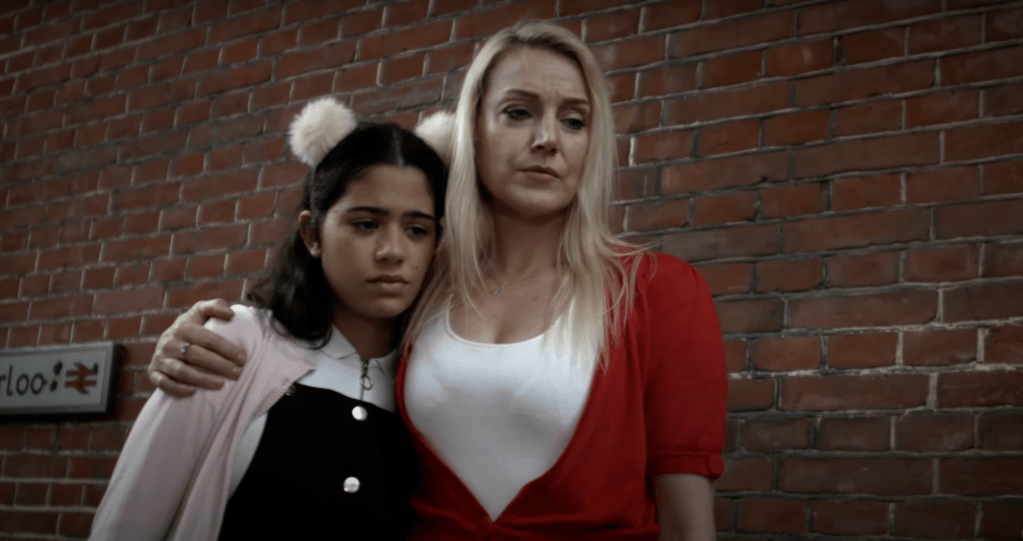
Using a cast and crew of mostly ex-military artists, Tip Cullen (former Royal Marines Commando) plays the leading role of ‘Bootsie’ the homeless ex-army medic who is sat bearded and grey on the train station floor watching the commuters pass by. He begins a slow purposeful monologue appealing to anyone who might listen as he recounts the epitaphs and harrowing imagery of battles gone by. In the background we hear the boots of soldiers marching, which swiftly switches to the sound of London’s bustling commuters, from whom Bootsie receives varying degrees of sympathy, as he continues to hear the cries and explosions of the battlefield.
The opening slides of postcard sketches and photographs provide some historical background to the plight of the army veterans’ sufferings: injuries, PTSD (post-traumatic stress disorder) and homelessness. They highlight how the homeless and mentally sick have been harshly treated by society over time, but also the support they’ve received from the likes of pioneers such as Sir Oswald Stoll and the Royal Hospital Chelsea (and in the case of this film the Veterans’ Foundation).
The authentic postcards establish the long history associated with these problems going as far back here as the Tudor times and bringing them to the present day to Waterloo station and the obvious yet poignant link between the station and its namesake the battle of Waterloo. The closing captions at the end of the film make grim reading about the more recent conflicts of Afghanistan and Iraq where it says more servicemen and women took their own lives after their deployment than were killed in action.
Following the sombre slides we see images of the busy London traffic combined with a cheerful pop soundtrack, which lifts the mood momentarily, before returning to the subject matter of Bootsie and his homeless struggle. The passers-by highlight the range of opinions often associated with homelessness from the more kindly offerings of a cup of tea to the more disparaging and outright abusive. Meanwhile Tip Cullen’s performance as Bootsie is resolute and well informed in the face of his predicament delivering a steely glazed account of the horrors of his experience shared by his fellow veterans.
Iraq and Afghanistan Memorial
A hugely touching short directed by Nigel Fair and produced by Shaun Johnson the film is part of a campaign to raise money towards the full theatre production of the play ‘The Terminus’ from which this film’s poppy scene was taken, and to also continue the support for military veterans by helping them work in the theatre and film industries.
(Bootsie, Albert Lines, was a World War II veteran who lived rough on the streets of Kingston Upon Thames in the 60s and 70s. He is the inspiration for the charity and its theatre production The Terminus.)
Woolf Women directed by first time documentary filmmaker Marchella De Angelis follows Jenny ‘Jungle’ a downhill skateboarder on her epic odyssey across Europe with her fellow Woolf Women, a group of young female skateboarders seeking the thrills and spills of downhill skateboarding. In selected UK cinemas from 8th June.
We pick up Jenny Jungle’s story as a child growing up with her family in Bavaria. Her father was a ski instructor who passed away suddenly, which heavily impacted on Jenny’s mental health. As an art student in London at the time, her thesis on adrenaline had led her to discover downhill skateboarding. Soon she began competing, rising to number 2 in the world, but the news of her father’s death sent her mental health into a downward spiral.
Out of work, she left London and headed to the hills living in a converted van. Downhill skating was her salvation and out on the road she discovered the Woolf Women, a group of like minded girls from around the world living a similar nomadic lifestyle seeking a similar peace of mind from the extreme sport.
As part of her healing process and a way to commemorate her father’s passing Jenny ‘Jungle’ decides she wants to embark on an epic journey with the Woolf Women across Europe. Her target is an ancient monastery high up in the Pontic Mountains of Turkey on a trip that would cover 6,000 kilometres, across 8 countries, in 8 days.
In the build up to the road trip Jenny ‘Jungle’ suffers a sickening crash into a roadside barrier leaving her in hospital requiring multiple surgeries. Her road to recovery is spent at home in Bavaria convalescing with her mother as she races to be fit again to take part in her own documentary as Mama Woolf (and that’s if she even wants to skate again).
Downhill skateboarding has to be seen to be believed. Super-fast with speeds of up to 100 km/hr and super dangerous; how they stand up and race on a tiny board with wheels defies the laws of physics. With no actual breaks, the skaters use a perilous looking sliding technique to check their speeds as they throw themselves around corners, that leaves you with your heart in your mouth as they weave and bob down the roads.
The insane riding is caught on camera with some super close ups that provide a real sense of the speed and intensity; there’s some behind the scene insights into how the high speed action shots are captured and there’s also footage of the accidents that the girls have caught on body cameras, which makes for some wincing viewing.
A memorable road trip for a band of young girls with a shared passion for a unique outdoor sport. Their unique bond goes further than just skating and includes all things Woolf, mental wellbeing, female empowerment and an affinity for the environment (as well as skinny dipping) highlighted by their songwriter friend Karina Ramage who joins the girls on the road to sing some eco songs together.
Director Marchella De Angelis looks to have closely collaborated with Jenny ‘Jungle’ to bring together some nice artistic touches that include some funky edits and a grungy soundtrack all wrapped up in a positively affecting story of girl power demanding of respect.
The sparks certainly fly in this documentary as the Woolf Women show a bravery and skill only matched by the insanity of riding downhill without breaks or a steering wheel.
Film: Woolf Women: Now or Never
Director: Marchella De Angelis
Genre: Documentary
Stars: Jenny ‘Jungle’ Shaurte, Anna Pixner, Alejandra Salamandra