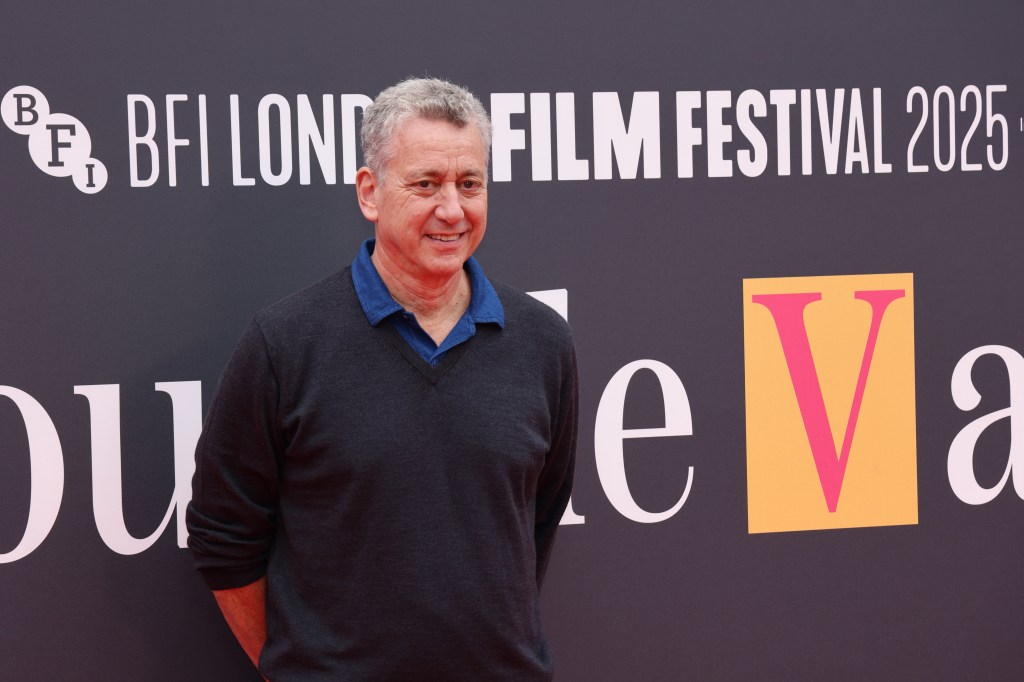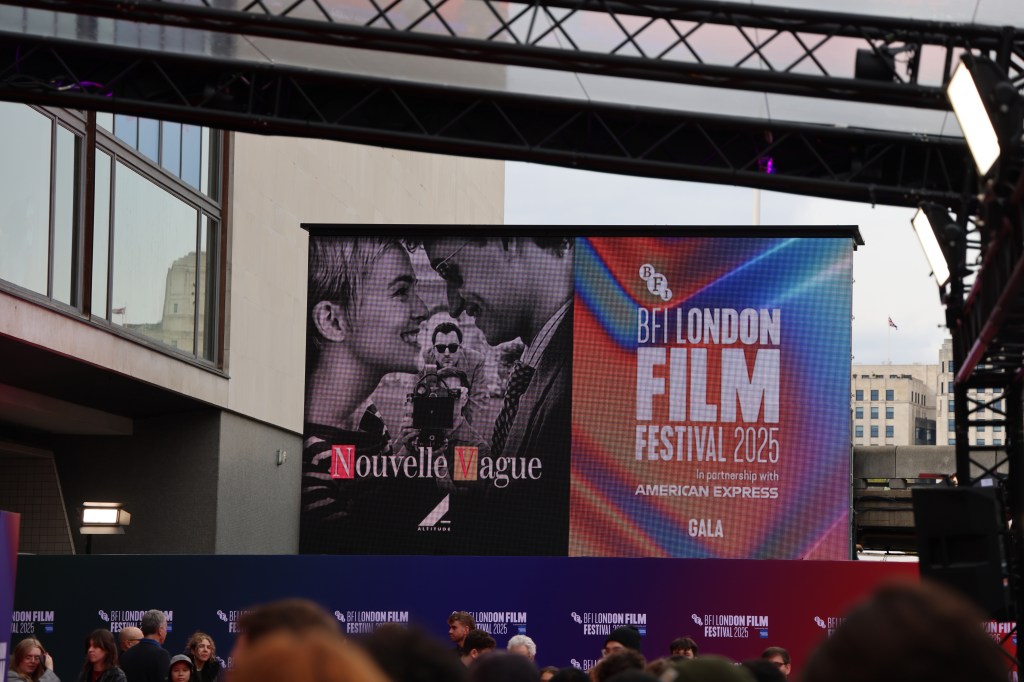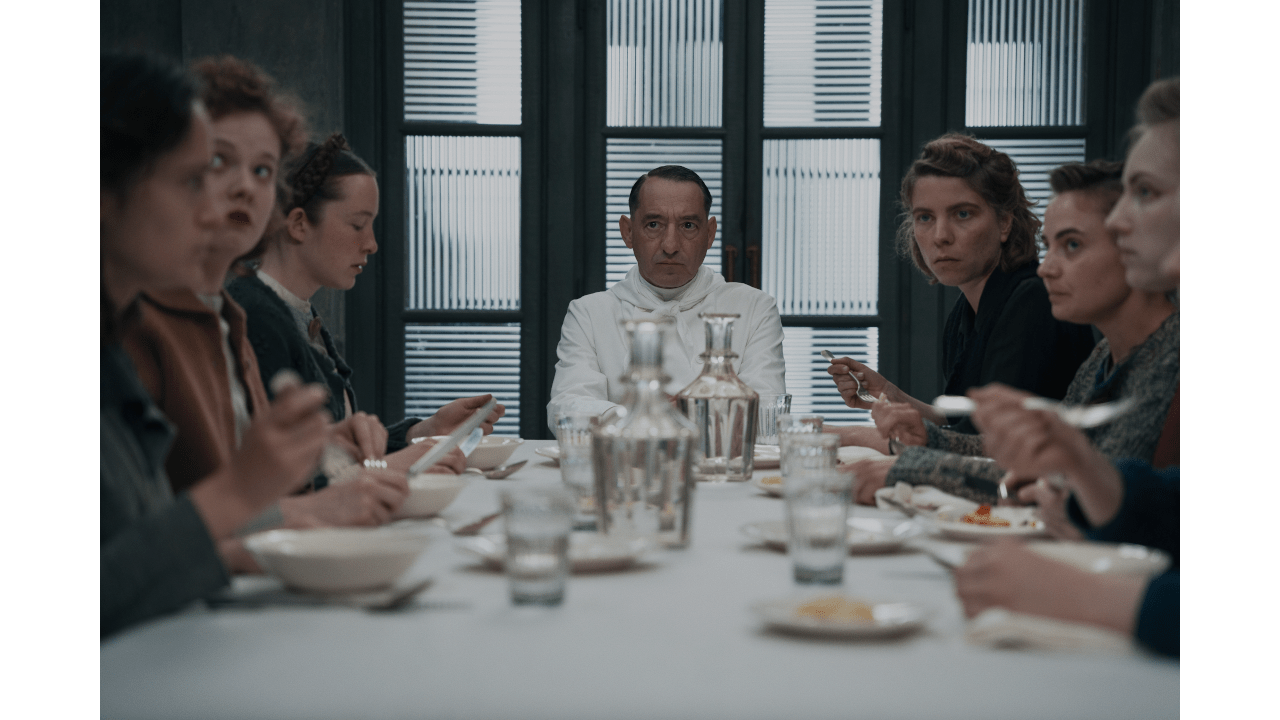
Desperate Journey

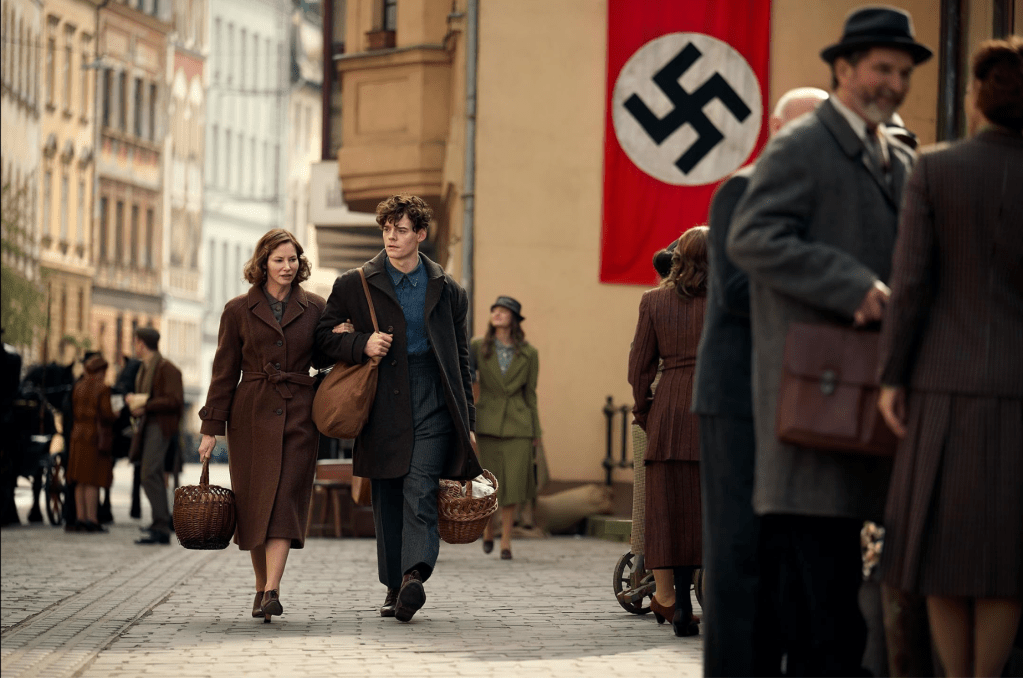
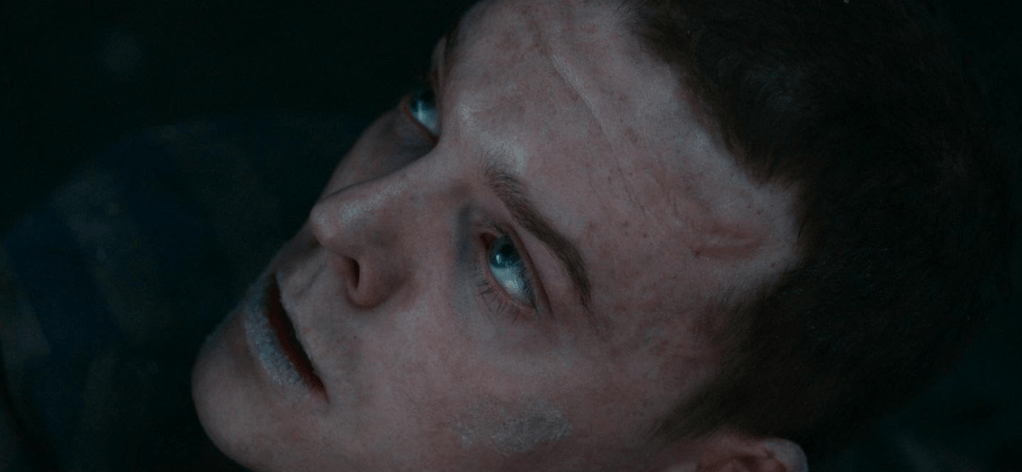
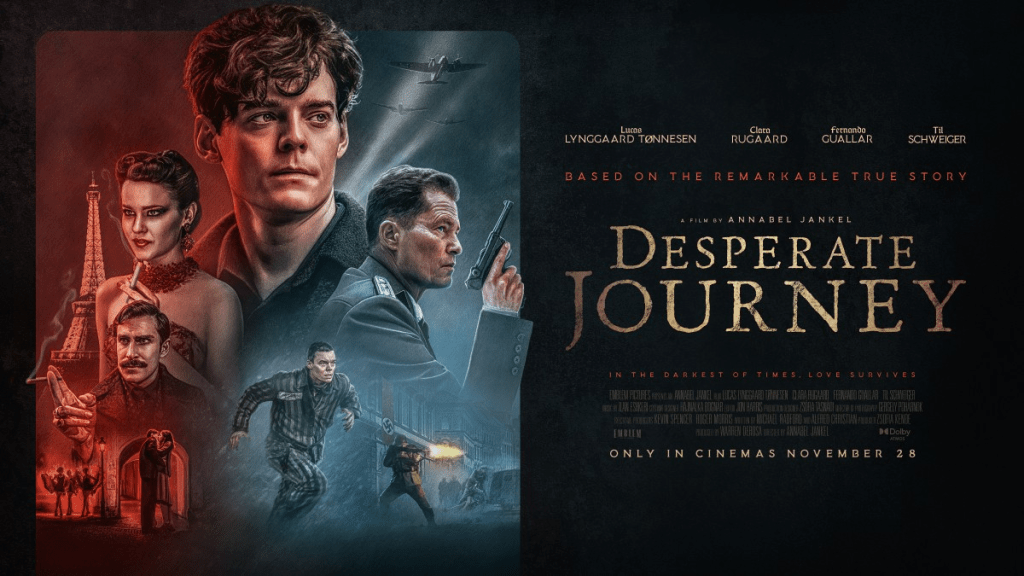
A true story about holocaust survivor Freddie (Knoller) who fled his home town of Vienna from the nazis to search for refuge in England via the Parisian nightlife scene, enduring capture and death camp marches, before being saved by the Ally forces. In UK cinemas from 28 November.

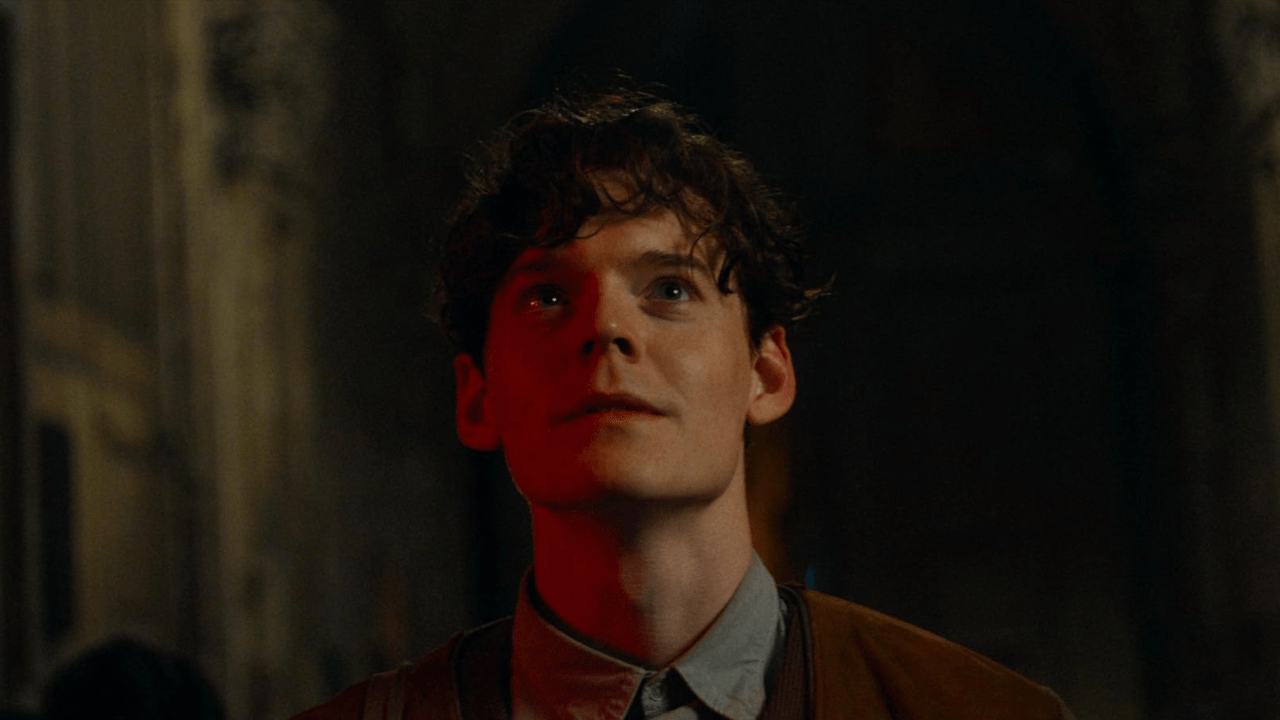
Freddie (Lucas Lynggaard Tønnesen) is a young man growing up in Vienna whose family send him to England to escape the persecution of the jews by the nazis. He makes his way as far as Paris and is attracted to the nightlife of the late-night clubs and the dancing girls he was enamoured with growing up. His linguistic skills get him a job in one of the clubs after he befriends the moustachioed maître d’ Christos (Fernando Guallar) who needs his help speaking German to entice the nazi officers into the club; the patrons with plenty of money to spend.

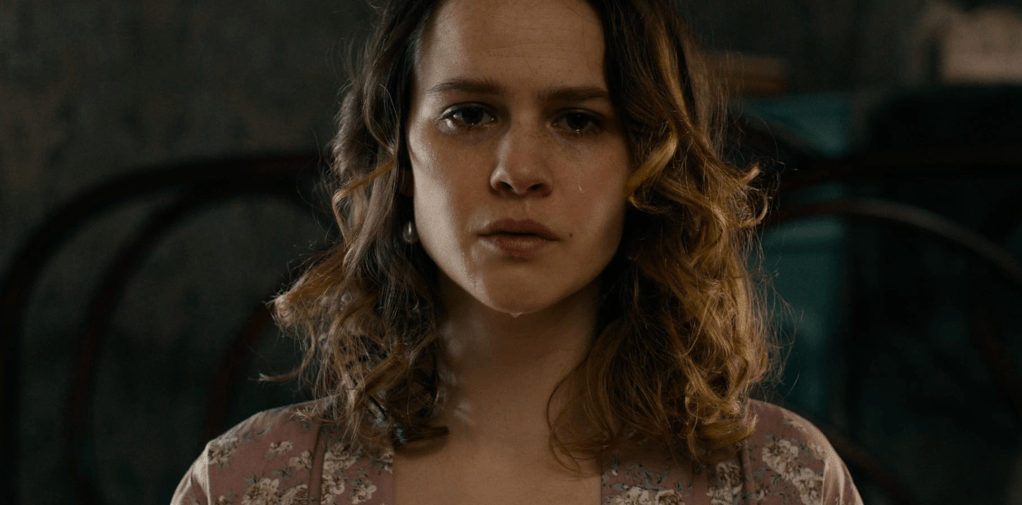
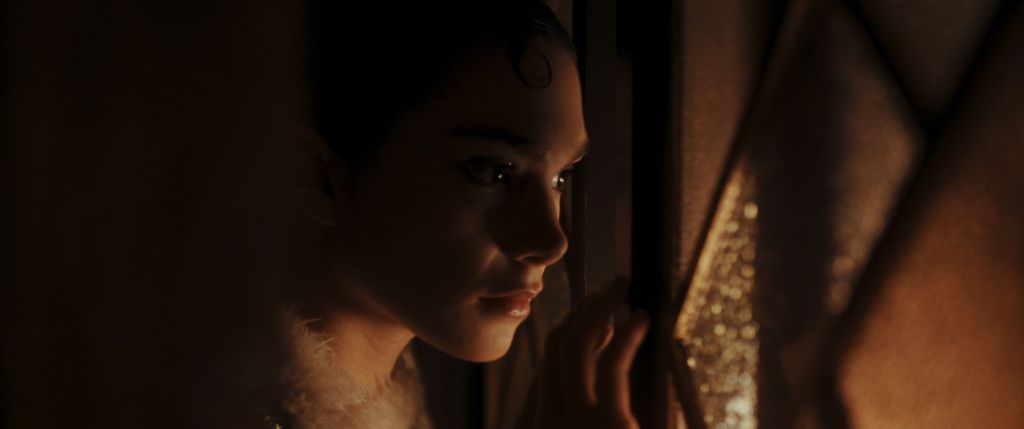
The story reveals more real life characters Freddie met in his survival story. Mrs Huberman (Smadi Wolfman) is the auberge owner who takes him in and shares in his troubles and when he needs false papers to get to England he is introduced to a cafe owner (Stephen Berkoff) offering forged passports at an ever rising price due to the increasing threat of the nazis in the neighbourhood. His perilous situation entertaining the German officers, played here with a charming sinisterness, is highlighted when officer Kurt (Til Schweiger) cruelly toys with Freddie by telling him of his ability to identify a jew through phrenology, and hence begins to feel the back of his head. The examination reduces Freddie to a hyperventilating mess showing more guilt than finding any bumps but he is relieved not to be discovered. Matters become further complicated in his escape as he falls for the lead burlesque dancer Jaqueline (Clara Rugaard) who he invites to dinner to persuade her to come with him.

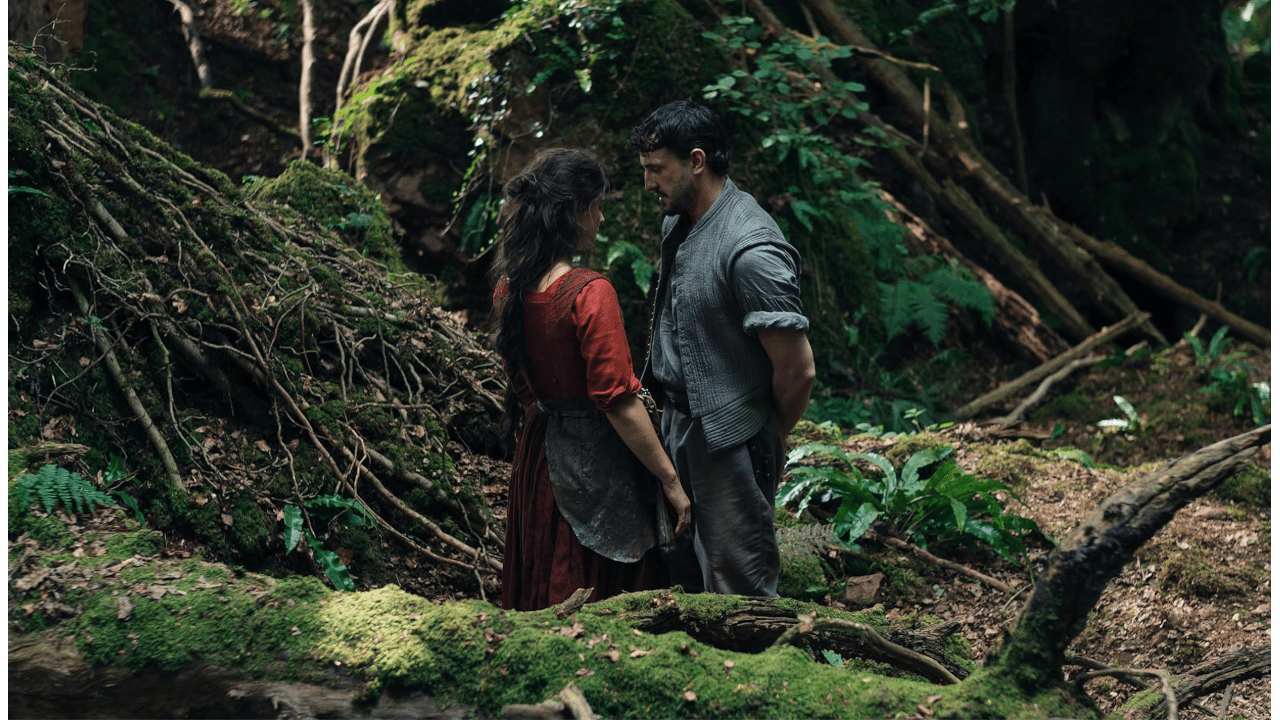
Director Annabel Jankel brings this true survival story to life showing the juxtaposition between the horrors of the war and the rounding up of the jews against the backdrop of the streets of Paris and the drinking clubs frequented by nazi soldiers. There are frequent flash forwards to when Freddie is a prisoner being taken on a death march in subzero conditions that maintains the threat amongst the champagne and dancing girls. The city surroundings and interiors of Vienna and Paris are rendered in World War II periodic style, whilst the hunting down of escapee prisoners in the woods is shot in vivid darkness. Further factual poignancy is provided at the end in the rolling credits about the survivors and those that were never seen again.

A conspicuously entertaining holocaust war film that provides an astonishing representation that links together the harrowing time, the people there and one charmed survivor’s tale.

Film: Desperate Journey

Director: Annabel Jankel

Genre: Drama, Romance, Thriller, War

Stars: Lucas Lynggaard Tønnesen, Clara Rugaard, Fernando Guallar

Run time: 1hr 48mins

Rated: TBC

Rating: 3

The Ice Tower

A film by director Lucile Hadzihalilovic about a young runaway girl, who finds herself on the film set of a dark fairytale production featuring an alluring film actress whom she becomes infatuated by.

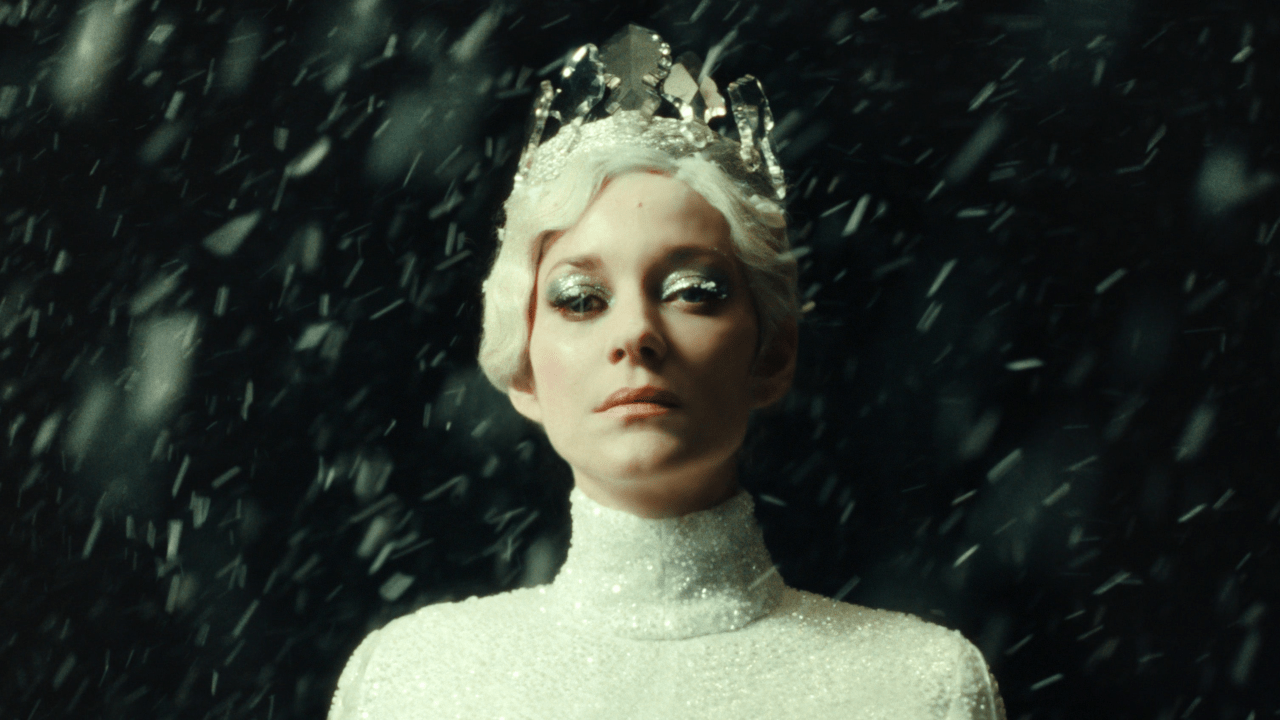
The story begins by setting the background to a troubled young 15 year old girl, Jeanne, who wants to run away from her family home. The tone is set when she hitchhikes a ride with a stranger which immediately rings alarm bells to her vulnerability. She breaks into a derelict building for shelter and wakes up the next day to find herself on a film set. As she picks up scraps of food from the production leftovers for breakfast she is presumed to be part of the cast on the production of the Snow Queen, a story she is entranced by. She comes face to face with the star actress Christina (Marion Cotillard) quickly falling under her spell and begins to spy on her. In the production melee she ends up on set as an extra and features in a scene across from her idol. They soon forge a bond which develops with dark undertones surfacing from the dual worlds of the unfolding events and the fairytale script that merge into one.

Marion Cotillard effortlessly assumes the role of the pretentious diva Snow Queen and is matched by an equally assured debutant Clara Pacini playing the young impressionable street urchin. They pull the audience in to a fantasy world of filmmaking and story telling filled with a slow burning suspense. The costumes, interiors and grand snowy vistas combine in stylish exuberance with the eerie music score.

The dangers of a young fan’s adulation and the power of celebrity are given an icy female touch in an atmospherically charged French drama. In UK cinemas from 21 November (French with English subtitles).

Film: The Ice Tower (La Tour de Glace)

Director: Lucile Hadzihalilovic

Genre: Drama, Fantasy, French

Stars: Marion Cotillard, Clara Pacini, August Diehl

Run time: 1hr 57mins

Rated: TBC

Rating: 3

The Session Man

A documentary on the the very best of the unsung heroes of rock and roll, Nicky Hopkins, a session player pianist who has not just played with the music greats, such as the Rolling Stones and the Beatles, but has been instrumental in some of their recording successes. Here he receives the interview accolades from his fellow musicians, including no lesser than Keith Richards and Mick Jagger. (Nicky was inducted into the Rock and Roll Hall of Fame this November 2025.) The Session Man will be in UK & Irish cinemas from 21st November.

Like all biographic stories looking back at an artist’s life it is interesting to learn about how their journey unfolds in their chosen profession, but also, as in this case, it is learning about their role in their field that is unique and here it is most revealing because of their impact on the successes of some of the most famous performers in the world…so much so that it makes them worthy of a documentary. This is the case for Nicky Hopkins, whose musical genius as a session pianist was so highly revered he was entered into the Rock and Roll Hall of Fame despite otherwise being a complete unknown.

His health problems with Crohn’s disease meant he was unable to pursue a permanent role in a group worthy of his talents having started with the Cyril Davis All Star Band, in what was to play a major part in the London music scene in the early 60s. As a toddler he began playing the piano barely able to reach the keys before going onto the Royal Academy of Music and then recording and touring with many of the best bands in the world. At the time, the predominantly guitar and percussion centred bands could seek out session players in order to add an extra something, which Nicky became renowned for doing.

Screenshot

The music producers interviewed like Glyn Johns and Shel Talmy, may not be familiar to non-music nuts either, but have a similar list of successful artist credits behind them. They retrace Nicky’s story speaking of his prodigious talent and involvement in groups and the conversations quickly crank-up with the endorsements of the Rolling Stones band members Mick Jagger, Keith Richards and Bill Wyman, each talking about hearing Nicky play. Their serendipitous meeting led to collaborations resulting in Nicky playing on some of the Stones’ iconic tracks like “Sympathy for the Devil” that feature heavily his mercurial piano skills. Listening to the fellow session players strike those chords in an instantly recognisable track immediately confirms Nicky’s undoubted brilliance.

In a career spanning 30 years working with other seminal UK bands of the 60s and 70s, including the Kinks and the Who, his ‘invisible’ genius is at its most apparent playing the melodica on the Kinks’ number one hit “Sunny Afternoon”, this time illustrating the more subtle side of a session player’s skill.

Having performed on the Beatles’ “Revolution”, he would later on follow this feat up by contributing on all the Beatles’ solo albums including John Lennon’s “Jealous Guy”. He played with the Jeff Beck Group too teaming up with Rod Stewart and Ronnie Wood, touring America on several occasions and despite that band’s disbandment just before Woodstock Nicky still performed there under a different band, Jefferson Airplane. This signalled a new direction for Nicky as he settled into the San Francisco music scene.

With some archive footage of Nicky playing the grand piano front and centre recording with the Rolling Stones and similarly recording with John Lennon in America there is a chance to see him at work. A limited old interview of Nicky used from a California Music show in 1991 with Merrell Fankhauser suggests a lack of his celebrity status in the media. Stills of the bands and album covers fill in the gaps to the talking heads, which themselves have an immaculate studio quality to them and the narration is provided by the familiar husky voice of BBC music presenter, Bob Harris, known for the 70s show the Old Grey Whistle Test.

For the rock anglophiles, by the end, the doc runs out of legs and superlatives. It can’t quite keep up with the phenomenal list of musicians Nicky’s worked with but is still a worthy tribute to an unquestionable rock star you’ve likely never heard of.

Film: The Session Man

Director: Mike Treen

Genre: Documentary, Music

Stars: Nicky Hopkins, Keith Richards, Shel Tamy

Run time: 1hr 27mins

Rated: 12A

Rating: 3

The Choral

The Choral from film director Nicholas Hytner, written by Alan Bennett and starring Ralph Fiennes as the choir master in a First World War drama with a light hearted romantic feel featuring a star ensemble cast both young and old. In UK cinemas from 7th November 2025.

BFI London Film Festival / Photographer: JG

Film: The Choral

Director: Nicholas Hytner

Genre: Drama, History, Music, War, Romance

Stars: Ralph Fiennes, Roger Allam, Emily Fairn

Run time: 1hr 53mins

Rated: R

Blue Moon

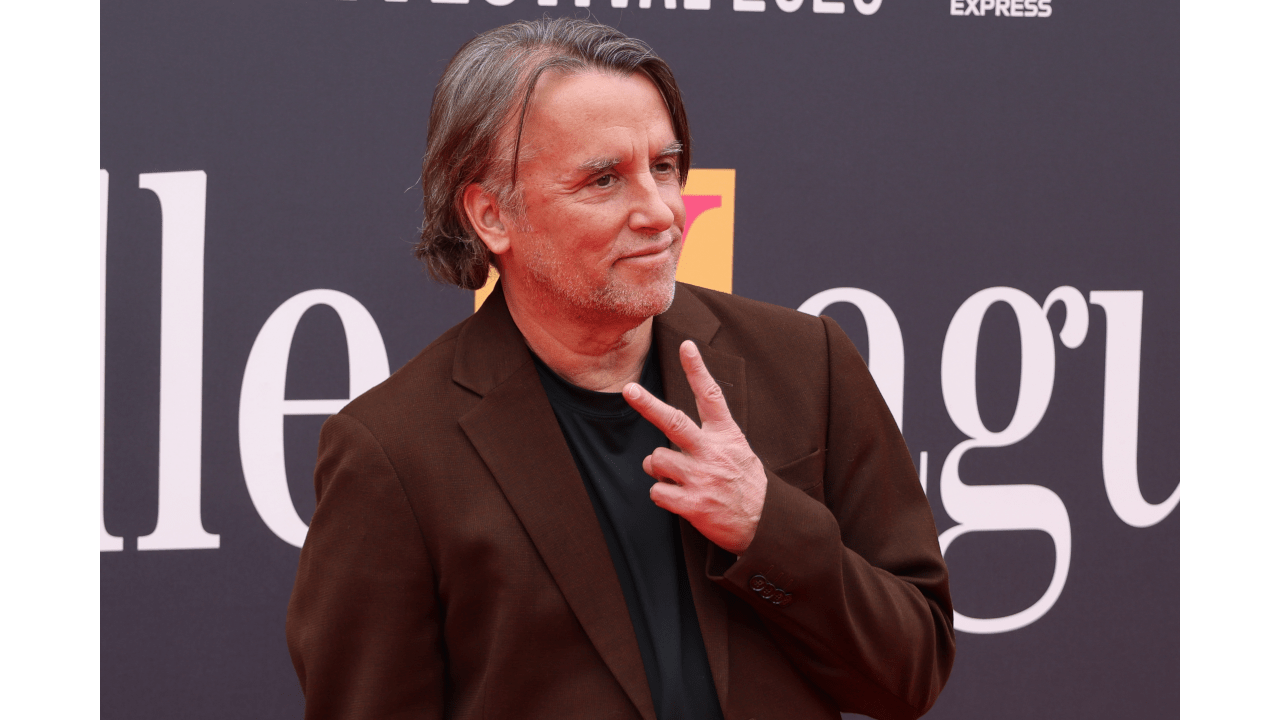
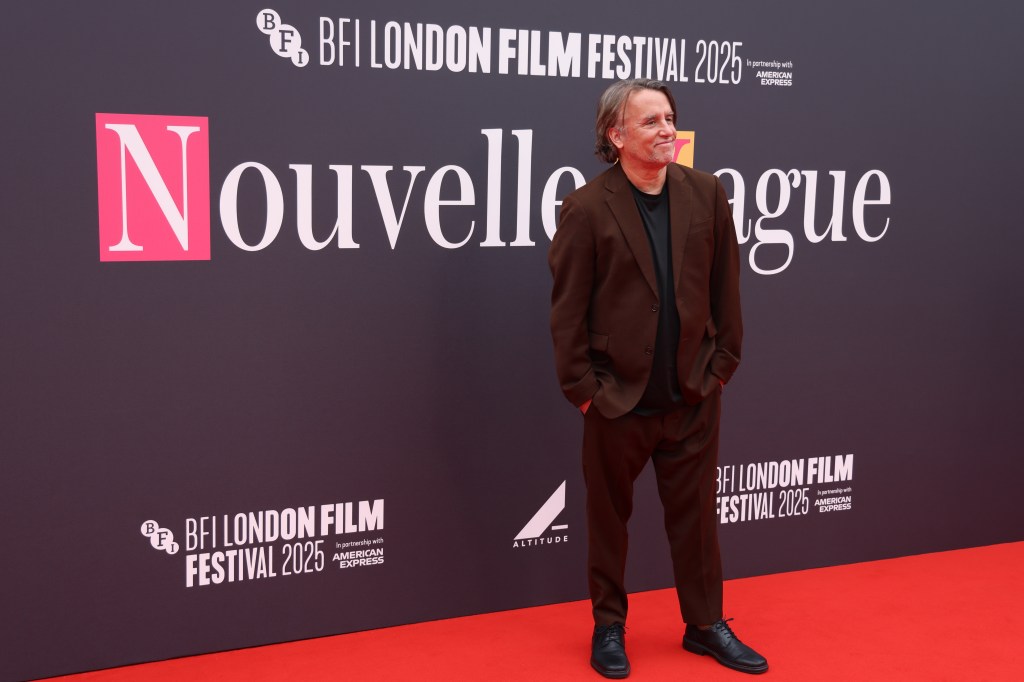
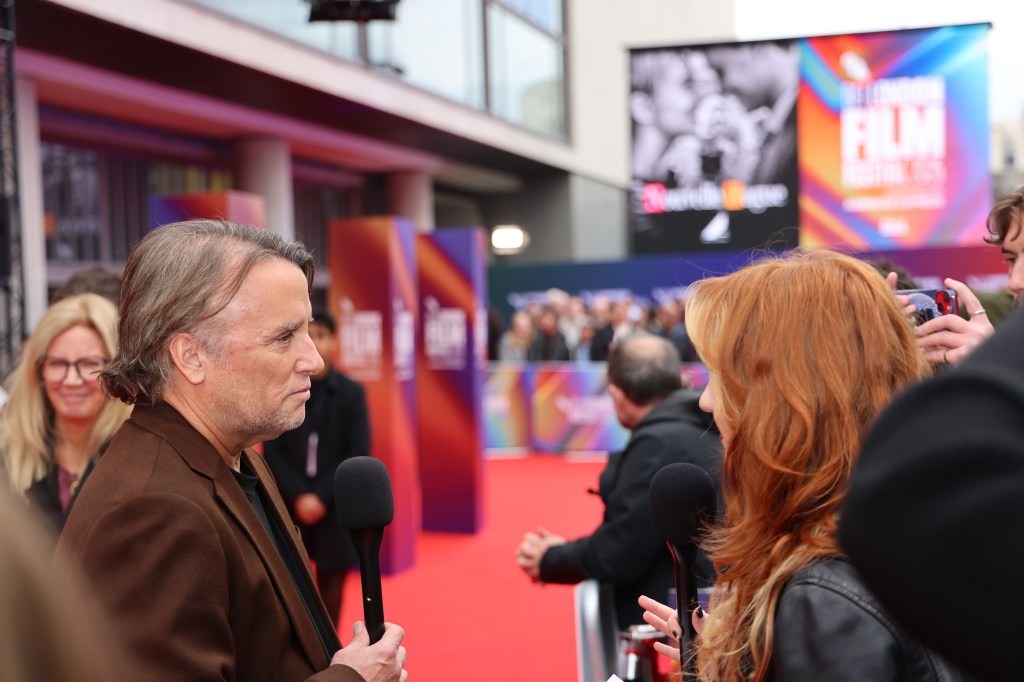
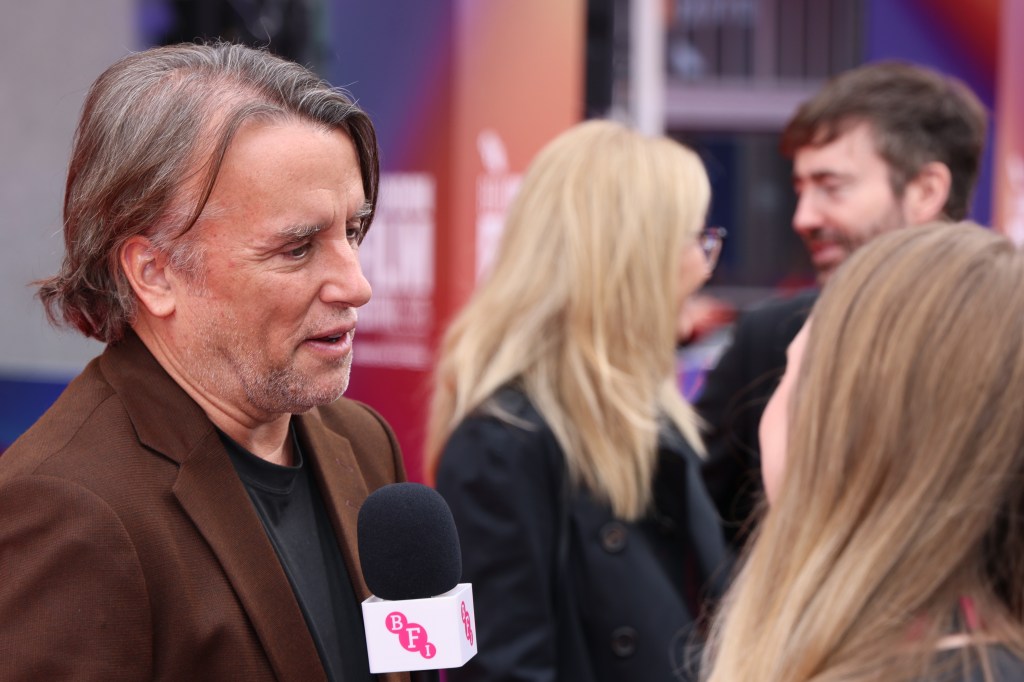
Richard Linklater directs Blue Moon a biopic snapshot of musical theatre lyricist Lorenz Hart’s life whose partnership with Richard Rodgers was soon to be superseded by Oscar Hammerstein II with the making of Oklahoma! the Broadway hit musical in 1943. Starring Ethan Hawke as Lorenz Hart and Andrew Scott as Richard Rodgers. Screening at the 69th BFI London Film Festival.

BFI London Film Festival / Photographer: JG

Film: Blue Moon

Director: Richard Linklater

Genre: Biography, Drama, Comedy, History, Music

Stars: Ethan Hawke, Andrew Scott, Margaret Qualley

Run time: 1hr 40mins

Rated: R

Strange Journey: The Story of Rocky Horror

Richard O’Brien’s Rocky Horror Picture Show, the cult classic theatre play and film is celebrating 50 years with a documentary film made about its origins and audience phenomenon. Available on DVD, Blu-ray and Digital from 20th October.

Directed by Linus O’Brien the son of Richard, which adds an extra personal touch to an insightful documentary on how this incredible theatrical musical and film came to pass. The documentary speaks to all the key personnel involved alongside writer Richard O’Brien including the director (Jim Sharman) and producer (Lou Adler), and the main characters such as Tim Curry, Susan Sarandon and Barry Bostick as well as some of the Rocky Horror fans who elevated it to its cult status.

Richard O’Brien’s own beginnings are shown with him visiting his unassuming home town in a suburb of Hamilton, New Zealand, where there is now a statute of him dressed in all his Rocky Horror splendour near where he used to work as a hairdresser. Richard took a boat to London and began acting and through a fellow wannabe acting friend, who happened to be Jean Shrimpton (a one-time Mick Jagger girlfriend and famous model), ended up working on Hair the hit West End rock musical directed by Jim Sharman in the late 60s and early 70s. This production and Jesus Christ Superstar were huge successes of his during the period establishing a controversial, sexualised rock ‘n roll trend in theatre.

Richard O’Brien started work on his own script and songs, which were then put into force by an extraordinarily creative collective, that became so much more than the sum of its parts, producing the classic staging and performances of songs such as Sweet TransvestiteI’m Going Home and Time Warp that made up The Rocky Horror Show.

Its cult success was by no means guaranteed and like many cult films it was spawned from a niche (late night) cinema audience that grew from word of mouth, where the fully immersive audience participation of going dressed up as the characters meant audiences clamoured to go to the show again and again and again, making it one of the longest running theatre and film experiences on record.

Its taboo portrayal of sex, drugs and rock ‘n roll makes divisive viewing but there is no escaping the creative magic that draws upon many key genres like the b-movie horror, sci-fi, musicals and LGBTQ (way before this became mainstream). The documentary has extra celebrity endorsements too from the likes of Jack Black who accentuates the far-reaching impact it has had on its audiences that goes way beyond the norm.

The documentary has all the star players’ interviews worthy of its notoriety and the script and song writer Richard O’Brien makes for a knowledgeable raconteur throughout delivering in his own inimitable style and effortlessly reminds audiences of his songs with some acoustic renditions, casting aside his now advancing years. There are just enough stills and footage of the theatres, staging and people in corsets and fishnets to give a flavour of the Rocky Horror experience, which is completed with its songs that confirm its unmistakeable brilliance.

The Rocky Horror Show has been taking generations of people on its strange journey for 50 years now and there are few that can match its heights or longevity in a uniquely provocative theatre and film production worth finding out about.

Film: Strange Journey: The Story of Rocky Horror

Director: Linus O’Brien

Genre: Documentary

Stars: Richard O’Brien, Tim Curry, Susan Sarandon

Run time: 1hr 29mins

Rated: 15
Rating: 3/5

Interview – Mark Jenkin & Denzil Monk

Director Mark Jenkin and producer Denzil Monk talk to the Language of Film about their latest feature film, ‘Rose of Nevada’ appearing at this year’s 69th BFI London Film Festival 2025. In UK cinemas from 2026.

Please introduce yourselves and your film. 

MJ: My name is Mark Jenkin, I’m the writer and director of Rose of Nevada

DM: My name is Denzil Monk, I’m the producer of Rose of Nevada

Could you give us a quick synopsis of your film? 

MJ: Yes, Rose of Nevada is a story about a fishing boat that arrives back in a derelict harbour 30 years after being lost at sea with all the crew lost. Not everybody in the village is entirely surprised by the return of the fishing boat and they take it as a good omen that the boat has returned and decide to put it back into service and they put a new crew onto the boat who are unaware of the history of the boat who then go out and have a fantastically successful fishing trip and then when they return they’ve slipped back in time 30 years and the community mistake them for the original crew that had been drowned. 

On IMDB it is described as a sci-fi, fantasy, drama, horror…what can we expect from the film?

MJ:…Musical. We tried not to really define what it was in terms of genre. I mean obviously it’s a time travel film but whether that’s a genre or whether that is a sub-genre and I think what’s happened is once you put the film out there people write about it and then understand really what the film is. So very early on people described it as a sci-fi and I thought it’s not a sci-fi because my idea of what a sci-fi is isn’t this but a time travel film I suppose is a sub-genre of science fiction. 

So yeah it’s, I don’t know, I don’t think it’s up to me or us to sort of define what it is. I think certainly on IMDB they’re not categorisations that have come from us. They’re probably from people who’ve written about the film, which is great, that’s one of the most exciting things is hearing what people think the film is and I always joke that when people list off all of these genres I always say and it’s a musical as a joke but actually the other day I realised that it has got a song. It’s as much a musical as a sci-fi I think. 

DM: Yep, nothing else to add to that. 

MJ: I thought you’re going to sing. 

DM: I’m going to agree that it is definitely a musical.

What made you think you could make this film?

MJ: I think I’ve always made films and I’ve always wanted to make films and I’ve always made films in unusual ways. I think when I met Denzil and started working with Denzil he’s got the same sort of optimistic belligerence that I have that the more people tell you not to do something the more you want to do it and sometimes you don’t even need somebody to tell you that it’s not the way to do it. You almost feel it inside yourself and you go well this seems like a crazy thing to do but that might be just the perfect reason to do it. 

So this is our most ambitious, expansive film so far and I think certainly for me, and I’m quite comfortable talking for Denzil at times as well because we share a lot of attitudes and opinions. I think we were both excited by the bigger canvas, working within genre, a bigger production, a bigger budget, higher profile stars. I just think that was very exciting for both of us. 

DM: Yeah absolutely and it comes with all sorts of unique and interesting challenges but those challenges are the things which give you an edge to sharpen your tools against and that is what’s exciting about filmmaking is, no matter how clearly you think you’ve got it planned out there’s always going to be things that come up, day in day out and that keeps you feeling alive. 

MJ: I think we probably both share a little bit of the inability to imagine it’s not going to work during the making of it and actually it wasn’t until Venice and the world premiere when we screened it and it was well received and the critics received the film well, then I allow myself a little moment where I go, thank God, because we could have really screwed this up, but I think both of us don’t entertain those thoughts while we’re making it. 

What is your process from script to screen?

Well I write, I kind of write my own scripts but that’s not to say I don’t collaborate. Denzil is the creative producer, also the kind of de facto script editor who I sort of trust implicitly with his feedback and his thoughts and his ideas. Also this one, the story originated from an idea that myself and my partner, Mary Woodvine, who’s also in the film had. The process, in some ways we’re really conventional in terms of the way we make a film. We have a camera, we have a cast, we have locations, we shoot out of order. We’re quite conventional in that way but within there, there’s some very unconventional ways of working. We don’t record any location sounds because we’re always shooting on 16mm film on a clockwork camera that you can’t record sound with so everything’s post synced. I shoot the film myself, I edit, do the sound design and create the score but all with key collaborators. In some ways it’s quite conventional, in other ways it’s unconventional. 

How did you manage to get George MacKay as the lead role in the film?

I was introduced to George via the casting director Shaheen Baig and I met George at Shaheen’s office. Obviously I knew about him because he’s been on the screen from when he was about 8 years old in his first movie. I’ve always really loved George. He’s a bit of a chameleon, he never does the same performance twice. He seems to work with interesting directors, he wants to challenge himself. He’s not on a specific career path, he kind of weaves all over the place. When I met him I was thinking of him to play the role that Callum Turner ended up playing, but as soon as I met him and looked into his eyes I thought actually he’s going to be right for Nick, the protagonist of the film.

We just got on very well to start with. I never get actors to read scenes from the film or audition people in a conventional way like that. I just sit down and see whether we get on and whether there’s a shared vision. Very quickly my gut was, I want to cast George in the lead. Like I say, he’d originally come in to meet for Callum’s role. I think we went back and had to say, we don’t want you for that role, we want you for this role. Luckily he’d read the script and he’d read both characters obviously and he was as keen to work with us as we were with him. 

What were the major challenges to filming?

A lot of it is outside, which has its own challenges. Shooting at sea is incredibly difficult, which is why we didn’t shoot a whole lot at sea. In the film where we’re clearly at sea, we obviously shot at sea. The other bits where it looks like we’re at sea was a bit of smoke and mirrors. We shot in a studio, we built a studio from scratch in Cornwall and we did a lot of the interiors of the boat, for example, in the studio. We don’t do any sort of trickery, there’s no CGI, there’s no backgrounds added in, there’s none of that. So everything you see on the screen is what was there. We work in a quite old-fashioned way in that way. But for me the challenges are the same as they always are, you know. It’s trying to capture lightning in a bottle and you’re never quite sure whether you’ve captured it or not until you get in the post-production. 

But I think, Denzil, you can probably speak more about what the challenges were. 

DM: Yeah, I mean the production challenges were definitely significantly greater, although on the previous film, Enys Men, we were shooting with a tiny crew during lockdown, so that came with its own Covid challenges. But this one, there were some really big set pieces that we kind of had to work out how we were going to approach those and how we were going to make those work. But the result of it is there on the screen and you don’t watch it thinking about the three different places where that little sequence was shot and pieced together. You watch it, even on a really early cut, you watch it and you’re totally buying into the reality of the world that’s there. So, yeah, like I said before, all of those challenges are just kind of an exciting thing to get our heads around and work out solutions to. It’s all just like impossible things that you find solutions to. That’s what filmmaking is, isn’t it? 

MJ: And I think the difference with Denzil, Denzil will have noticed the big step up in scale because he’s looking at the whole thing at all times, kind of stood back, looking at the beginning and the end of production and everything that comes in between. Whereas with me, even down to the way I shoot, all I’m thinking about is the next few seconds of what we’re shooting and sometimes it’s stressful because I know that we’re doing something and something maybe not in place or something has fallen through or something like that. But really it’s the same process for me each time. I look through the viewfinder and go, well, what are we shooting now? And I shoot it and then I worry about what’s next after that. So for me, it didn’t feel very much different. 

DM: There’s kind of like a paradox that happens there as well, isn’t there? Because you’ve written it, because the story is there inside your head and you’re shooting it and you’re also going to edit it and you’re going to shoot it for the edit. There’s such a depth of understanding of the way that the whole thing pieces together that you can be in that moment and you don’t need to think about the overview because it’s all kind of there. Whilst you’re only focussing on one tiny detail, that bigger picture just sort of sits there in the background the whole time. 

MJ: And I think if I was thinking about the bigger picture, I’d probably have a perpetual panic attack. You just deal one shot at a time. Denzil has the panic attacks.

Film: Rose of Nevada

Director: Mark Jenkin

Genre: Drama, Fantasy, Horror, Sci-fi, Mystery

Stars: George MacKay, Callum Turner, Rosalind Eleazar

Run time: 1hr 54mins

Rated: TBC

Interview – Ed Sayers

Interview with director Ed Sayers founder of ‘Straight 8‘, who talks to the Language of Film about his feature film ‘Super Nature‘ at this year’s BFI London Film Festival 2025. Screening in UK cinemas from 2026.

Please introduce yourself and your film

My name is Ed Sayers, I’m a London based filmmaker and my film is ‘Super Nature‘.

What is the synopsis of your film?

The one I can do off pat is the log line: it is a love letter to nature created on Super 8 by people connecting across the world.

What is special about your film?

I’ll try and describe what you’ll be in for. I’d say it’s an 82 minute, full length feature doc. It’s an immersive adventure into our natural world via 40 filmmaking collaborators that I enlisted to help me try and capture the beauty of our connection with nature all on the medium of Super 8, the old fashioned home movie footage – the original home movie footage medium. I hope what it ends up being is a kind of snap shot of where we are in the world today, as human animals that are perhaps generally a little bit more disconnected from our brothers and sisters and environments more than we’d like to be or maybe ought to be.

Why make a nature film on Super Eight?

Good question, why would you make a nature film on Super 8 when you run out of film, it’s expensive and you can’t leave it running? It’s not the first choice for most wildlife filmmakers to shoot on antique film stock that runs out all the time! 

I started a Super 8 filmmaking challenge inadvertently in 1999 when I asked 20 friends of mine that worked in film production to try something I’d been planning to try but hadn’t got round to. To make myself try this, I actually invited 20 friends to do it with me, which was to give ourselves a deadline, to give ourselves a roll of Super 8 film each and try and make a compelling short film on that one three-minute roll by taking a video, no retakes, editing with the camera, no grading, special effects, nothing. Making a separate soundtrack because Super 8 doesn’t record sound and the first time you see your work with its sound is at its public unveiling in a cinema! 

That’s called ‘Straight 8‘ and for 26 years that’s been my sidekick baby and possibly master of my life. It was through that that I saw the power of Super 8 as a medium. I think it’s a very emotive medium and, 20 years into this weird experiment that grew out of control, we’d been receiving these wonderful one reel films from a French man in his 80s, who in his retirement from being a charcuterie butcher had become obsessed by filming insects and animals on Super 8 and is incredibly good at it. We’d seen film from him every year and he kept making our top selections and this one year he made this film that made our top selection and there was this moment in it that floored me every time and I couldn’t unpick why but it was having a really big effect on me. It is described in the film because it was the kick-off point to this project and all I knew was there was something in seeing nature recorded on this format that is nostalgic, and I think the ingredients of nostalgia are love and loss. I’m sure there is a cleverer academic who could make some sense of that but simplistically nostalgia is an emotion that embodies love and loss to me and I felt a hunch that we should record more of nature on Super 8. I started to talk to a few key people who I knew in the industry, one who was Asif Kapadia who was already on my jury for Straight 8 and another Jess Search, the late great Jess Search, who sadly died a few years ago, and they were both taken by the seed of the idea and gave me the confidence to try and push it forward.

Will a Super 8 film stand-up in modern cinemas today?

This is the amazing thing, in the early days of Straight 8 we used to project on Super 8. So we would find the projectionist with the most powerful Super 8 projector in the land, which is still not that powerful. As our audiences grew and grew, we got bigger and bigger cinemas. In fact we started in a 200 seat cinema in the very first one. The projector would be in the auditorium because if you kept it in the booth it didn’t have the throw but there was something very theatrical about having the smell and sound of the projector in the room. This was in the early days of Straight 8. Over time we progressed and we ended up, slightly reluctantly, moving towards digital projection. 

Then Cinelab Film and Digital came on board and we started getting all our processing and scanning done there. They work on everything, they’ve just done the new Yorgos Lanthimos film, they work on Bonds, they do 65mm, 35mm, 16mm and Super 8 and they’ve been partners for me, both on Straight 8 and for this film, for a long time. We then started screening in NFT1 (BFI cinema room) for Straight 8 which looked glorious on a 4K DCP with Cinelab scans. Then we took it to the IMAX and the BFI testing it. They were into the idea but said let’s test it first because you might not like it or we might not like it. So we went to the IMAX and watched a 10 minute sequence of previous Super 8 films and we were all blown away by just a 10 minute set of clips. We were like holy shit. So, for the 25th anniversary of Straight 8, two years ago, we sold out the 500 seat BFI IMAX and showed the top 25 films on this format. 

It’s a long answer to your question but what I’m basically saying is, I already knew and I was already making Super Nature by then and it was actually Asif Kapadia at that very first meeting, who was the one to say we need to record these animals whilst we’ve still got them and they should be celebrated on the largest screens in the land. This idea for this film should be on IMAX’s; and I was like whoa! So the short answer is yes, with an amazing scan of each Super 8 celluloid, which is smaller than your little finger nail, you can show it on the largest screen and it looks incredible. It’s just the beauty of that Super 8 grain only bigger than you’ve ever seen before.

Is it a filmmakers film because of its Super 8 format?

Yeah, but I hope it will go beyond that, I think it’s the obvious silos of audience, an obvious niche of audience, filmmakers and celluloid fans and nature lovers, but I hope that the film’s message, and I hope when you see it you’ll agree and certainly our world premiere last night and the messages I’m getting today, it speaks to our connection with the world. I don’t want the format conversations to get in the way of that. I think there’s something about the way the format is playing its part in translating that message about our crucial tether to what supports us and how delicate it is, that’s where Super 8 is important for me not for all the geeky stuff.

The film involves 40 directors from 25 different countries. How did your role work?

I’m the director, one of the producers and I was the editor and there was another editor that joined me for some of the editing journey, a brilliant editor called Dave Arthur who came on it for a couple of months as well. The way it would work is I started with people that I knew through the community of Super 8 filmmakers, that I already knew in different continents to talk to them about what might they film if they were to get involved and I started to quickly realise that I didn’t know that some of them had really deep connections to the Italian Alps or the weedy sea dragon in Tasmania. These were people I already knew who were not necessarily working in wildlife filmmaking and I didn’t know they had this nature connection. So, I didn’t do a public call out, I started off with people very organically but sometimes I was talking to someone I knew through Super 8 and then they asked me what else was I up to and I was like well I’m not really telling people about it, but I’m kind of working on this nature film and then suddenly two weeks later she was filming in the Italian Alps because I didn’t know her and her family had this massive connection to bringing the Ibex back to the whole valley where they disappeared from and her grandfather had reintroduced them. So I had a whole story there I would never have known about it if I hadn’t mentioned my secret project and then gradually the circles grew wider and Greenpeace got involved and started supporting us and opening up their amazing global address book of filmmakers and photographers and that brought about five people that contributed to the film and then they might recommend someone else that they knew in the global community. Sometimes, it was a couple going out in Patagonia in the search of whales and then they ended up getting amazing shots of baby octopuses because the whales wouldn’t collaborate or didn’t read the call sheet and didn’t turn up, you know! So it was a very organic way that the community grew, and it did grow into a community and so suddenly I had this new community a bit like the Straight 8 community. This new one of all these nutters going out to try and capture wildlife and the landscapes on this very tricky format on cameras that are 40-50 years old and often broke-down. 

Did it make your job easier having all those collaborators?

Yes and no. I mean, I think when people talk about people’s superpowers and people say stuff to me and I’ve had a couple of people write to me having seen the film, and they’re like it’s community, like leaning into community. Like I said, I was planning to make a short film on Super 8 for over two years but didn’t get around to it but when I asked friends to join in I did it, like they did and I realised the power in working together, which is what we all need to do right now to save the messes we’re in, right? So to me, the finding the people and persuading them that this crazy endeavour might be something crazy enough to join me on, that came quite naturally. I think the biggest challenge was how do you stitch that into a story that someone other than that gang of people would really get something from. So stitching it all into a story was really hard and I’ve edited before but I’ve never edited a full-length feature film. 

In the end we brought in a story consultant as well and that was amazing for me. I said to him last night you know, you were my sparring partner and my shrink and it really helped to have someone else there helping to sort of work out how we could choose some of the story beats because there were so many stories and backstories. I just started talking about how the project came about like we are now and we started getting post-it notes out again and rearranging the edit on the wall and that was a process. I’ve learnt so much from that and film is so malleable in the editing room. I mean, it is where the film is made. You could look at Fire of Love and The Fire Within, a Werner Herzog and another film about the same two people with the same footage but they’re completely different films. So I could have cut that film a million ways that was the biggest challenge. I edited all the people’s stories and I shared them back to them but they didn’t know the whole context of the film, we would just talk about it and maybe they would come up with a different change to their voiceover or something like that together. So it was quite collaborative but last night loads of those people saw the whole film and that was like a revelation. 

Is the film a work of art or are you aiming to change the world?

Don’t rely on me to change the world or filmmakers and I wouldn’t like to call it a work of art because then it sounds exclusive and it sounds like we’ve all got to stroke our chins while we look at it. See it and let me know what you think. I hope that it’s a very accessible movie. It’s a great thing to see with other people because it’s all about togetherness not just of us but our other beings that we share a space with and that’s not just animals but the plants and the air we breathe and that’s what we need to be thinking about right now.

Irvine Welsh: Reality Is Not Enough 

A documentary film about the Scottish author Irvine Welsh most famous for his book Trainspotting, his work has been like a tour de force in disrupting the literary world, whose characters mostly deal with drug addiction and crime told with extreme prejudice and wit. Here he shares a retrospective look back at his life, career, politics, drug taking and continued search to find meaning to it all. In UK and Irish cinemas from 26th September.

They say write what you know so this documentary delves into how exactly Irvine Welsh’s outlandish stories and characters came to be. The film begins with him giving his profound speech on the meaning of life. This wasn’t written for the documentary especially but some 30 years ago illustrating his prolonged questioning of life, which has been a driving force in his writing and is illustrated by similar prose read by actors including Maxine Peake, Liam Neeson, Stephen Graham, Nick Cave and Ruth Negga.

Irvine Welsh, Beyond Borders International Festival 2022, Innerleithen, 27 August 2022

The director Paul Sng picks up his story in Canada for the opening night at the Toronto Book Festival where Irvine Welsh is giving a reading from his second novel Marabou Stalk Nightmares. Any doubts about the intensity of how his work should be interpreted are cast aside by his terrets like explosive performance that brings a stifled laughter, from a largely conservative looking audience, as he describes the inner thoughts of a drug comatose patient.

Reflecting on his life as an author over 30 years, worryingly he says “the older you get the less appealing intoxication becomes”, but any concerns over his creativity are abated as he sets off to try a DMT, ayahuasca type hallucinogenic trip, at a drug clinic in Canada. Offering psychedelic enhanced therapy, his online meeting with the CEO of the clinic does not start well, with the manager literally hanging up on him. As a man well versed in drug taking, Irvine Welsh’s disinterest in the corporate preamble and wanting to ‘take the drugs and get on with it’, was in complete contrast to the more controlled experience on offer. He was going to have to toe-the-line if he wanted to continue his exploratory ‘education’.

Laid out on the office floor he smokes the DMT pipe and the documentary then shifts to the dark interiors of a warehouse to further explore the intricacies of Irvine Welsh’s mind. Based near his home town of Muirhouse, in the north of Edinburgh, he walks and talks through some screen projections on the walls showing photos and film of his childhood and life’s work.

I Am Irvine Welsh, Biscuit Factory, Edinburgh, Scotland, 4th April 2023

He starts with the major influences of his childhood and his parents growing up in Scotland, his early run-ins with the police and identifying the need to get out and explore. He has a fascination with death and dying too, which is not totally morbid, but is more motivational towards doing something with your life. It is a strong message of his that resonates with audiences despite the harrowing stories, and is iconised in the soundtrack to the film Trainspotting by Danny Boyle, in what he calls a balance between brutality and humour in the darkest moments.

We meet his wife and there is a funny interaction with him and his old school pals talking about playing football on the streets when she asks, “would you play on grass?” to which Irvine Welsh quickly retorts, “aye, sometimes on glue”. The tone switches as jokes about football as kids turn to appearing in court for minor misdemeanours and then the arrival of smack in the neighbourhood that Irvine Welsh puts into a unique juxtaposition of an equal horror between the white collar nine-to-five and doing heroin, which his writing became an escape from.

Irvine Welsh and Darren Emerson, Radisson Red Sky Bar, 17th April 2022

There is a strong undercurrent of political and social struggle in his work that emanates from his Scottish heritage and another significant place to him is Hackney, London where he moved to from Scotland. A place known he says for being an epicentre of counterculture and for attracting disaffected punks. He was taken in there by Debbie Donovan, who also happened to be a central figure during the miners’ strike, ensuring he didn’t just subsist on drugs and punk music but further politicised the young Irvine Welsh’s mind. After his later successes he then moves to the USA and Miami along with the interviews, where he continues to talk about his development as a writer, further dissecting his writing approach.

Irvine Welsh, Trainspotting Live and Porno, Edinburgh, 28 August 2022

These all make for an interesting mix of people and places, past and present to tell his writers’ story. Thirteen novels, numerous screen plays, adaptions for TV, radio, film and theatre, and even stints as a DJ, Irvine Welsh has been good to his word on leading a full life and after his latest DMT trip fans will be interested to know what happens next…perhaps some actual trainspotting?

Film: Irvine Welsh: Reality Is Not Enough 

Director: Paul Sng

Genre: Documentary

Stars: Irvine Welsh, Maxine Peake, Nick Cave

Run time: 1hr 28mins

Rated: 18

Rating: 3/5

Ackroyd & Harvey: The Art of Activism

This is a documentary about two artists, Ackroyd and Harvey, a couple who use art as activism. Their work spans decades in the UK and here it is shown in particular connection with conservationism and the Extinction Rebellion. In UK and Irish cinemas from 19th September.

The film starts with Ackroyd (Heather) and Harvey (Dan) playfully chatting to the camera sat in their studio working on one of their latest exhibits ‘Penny Pangolin’. It is part of an exhibition to highlight the extinction rate of many species, with the pangolin being one of the highest. It is going on display at the David Attenborough building, at the University of Cambridge, where they have had a three year residency.

The place brings together lots of global conservation organisations and combines artists with science, which conservationist Dr John Fanshawe says, to use an unfortunate expression, is fuelling the conversations in conservation around the world, including at the world economic forum in Davos. 

Another installation of theirs, ‘Seeing Red…Overdrawn’, is an interactive art work with the names of 4,734 critically endangered species that invites the public to ink in the Latin and common names of the species. The mural has connotations (along with the pangolin) of the later pandemic and the National Covid Memorial on London’s Southbank. As Dan Harvey says, we’re heading to the sixth largest mass extinction on the planet, it’s human induced and people are acting like its business as usual. You can’t just sit around and do nothing.

Writer Louisa Buck underlines the fact that the climate crisis is a climate catastrophe and that artists are leading the way in constantly raising the consciousness through their work to ensure the world sits up and takes notice and hopefully does something about it. 

The talking heads include Heather’s artistic mentor and friend Cornelia Parker who introduced her to the work of artist David Nash, which led Heather to begin working with natural materials such as grass seeds and the couple’s major breakthrough making photographic portraits using grass photosynthesis.

Not everyone appreciates the value of art and in a snippet chat show host Judy Finnegan asks the all-important question: what’s the point – this isn’t art? when interviewing the couple about a grassy walled installation at a disused South London church. 

It may not always be obvious in their work, but their involvement with conservation and activism sees them returning with ‘grass coats’ at London Fashion Week and the Extinction Rebellion (XR) protests in 2019, which they first modelled in protest against fur at London Fashion Week in the early 90s. Aiming to unite the fashion industry in combating climate change, the activists rightly proclaim the impact of one school girl, Greta Thunberg, and the need for big industries to be on board (albeit whilst having the financial responsibility to suc-ceed). Ackroyd and Harvey continue with the XR occupation protests in central London that includes poetry readings and the support of actress Emma Thompson as well as the thousands that camped out on the streets.

Directed by Fiona Cunningham-Reid, the documentary provides an interesting insight into the lives of a formidable artistic couple who have worked together over many years in the UK. Their credibility in the art world is clear having being selected as the country’s 2012 Olympic artists alongside Anish Kapoor and besides the art and conservation, the documentary also focuses on their relationship over the time period, that includes the pandemic, which had a big impact on them; and they openly talk about this too.

The striking visuals of the art speak for themselves and are made especially poignant because of the climate activism and the couple’s unique standing in the art world. Their peaceful art of activism is a welcome sign of intelligence in a world still unapologetically at loggerheads over the future of the planet, which there seems not enough legislation for.

Film: Ackroyd & Harvey: The Art of Activism

Director: Fiona Cunningham-Reid

Genre: Documentary

Stars: Heather Ackroyd, Dan Harvey, Cornelia Parker

Run time: 1hr 20mins

Rated: 12A

Rating: 3/5