
A truly epic independent film on a scale never seen before, Vindication Swim is the biopic about the first British woman, Mercedes Gleitze, to swim the English Channel in 1927. A forgotten story of one of women’s sports most incredible endurance achievements, that became almost as challenging out of the water as in it. In selected UK cinemas from 8th March on International Women’s Day.
The story begins with memories from Mercedes Gleitze (Kirsten Callaghan) as a young girl on a Brighton beach gazing out to sea, with her father, a German immigrant by her side. The nostalgic shots fast forward to October 1927, where, as a grown woman, she faces the glare of the paparazzi’s flashing bulbs and accusations of being a liar and a cheat. What could she have done to be so badly taunted?

One year earlier, Mercedes is following the news of US swimmer Gertrude Ederle being named the first woman to swim the English Channel. Disappointed to be beaten to the post, she watches on with a quiet determination that one day she will match the achievement having come so close on seven previous attempts of her own.
Focused on her goal, she looks for funding from the British Swimming Association, but discovers she has been overlooked by the Association in favour of her arch swimming rival, the svelte Edith Gade (Victoria Summer).

Feeling somewhat dejected by her rebuffing as an unsuitable candidate based on her single status and national identity, she’s nonetheless undeterred in the pursuit of her dream, and, whilst working as a typist and stenographer in London, she looks to fund the swim herself.
She’s pointed in the direction of a swimming coach, Harold Best (John Locke), a Channel swimmer himself, but finds him a washed up old drunk, drinking his sorrows away in a bar. Grumpily he tells her to ‘sling her hook’ because he doesn’t train anymore… ‘especially not girls’, to which Mercedes gutsily replies he couldn’t train a fish to swim in his present condition.
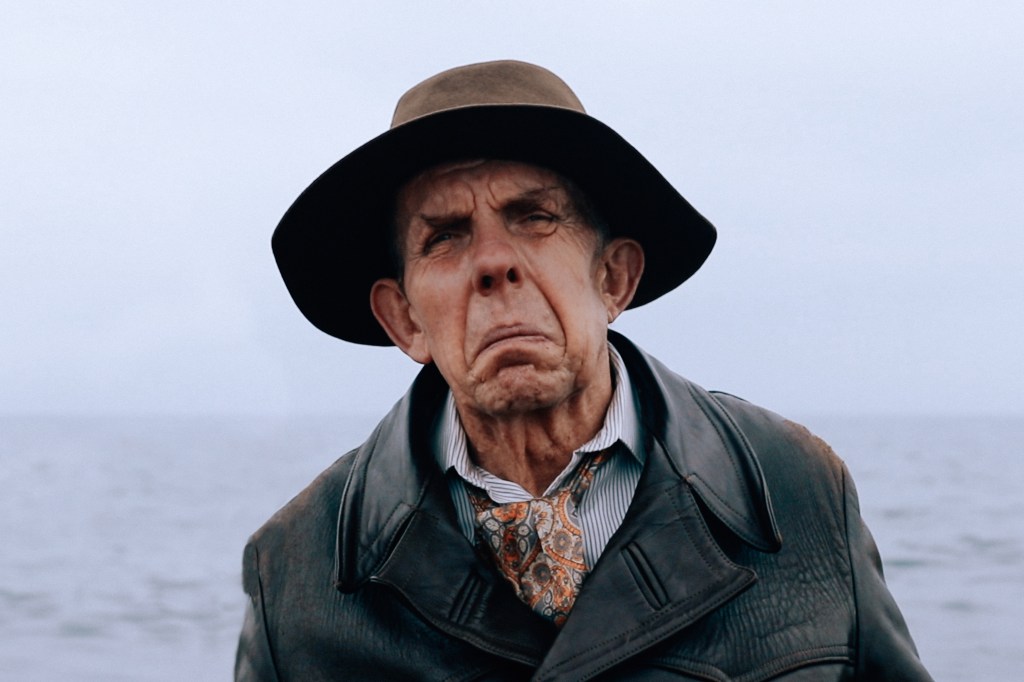
Thankfully, a more sober Harold turns up at the swimming baths to give her the once over, and whilst not totally convinced, agrees to take her on. So ensues the Mercedes Gleitze Rocky montage of her training to swim the Channel, complete with 1920s iced baths and swimming along the Thames to the cheers of the dockers.

She takes her first steps into the water in the very early hours of the morning in her eighth Channel swim attempt, heading out to sea to endure the freezing cold with only a rowing boat for support containing her trainer, oarsman, reporter and doctor.

This latest attempt to complete the crossing turns out to be just the beginning of Mercedes’ trials. Not long after, Edith Gade, her swimming nemesis, claims to have swam the Channel in a faster time, but then suddenly drops the bombshell that it was all a hoax – a mischievous act on her behalf to show that anyone could claim they’d swam the channel.
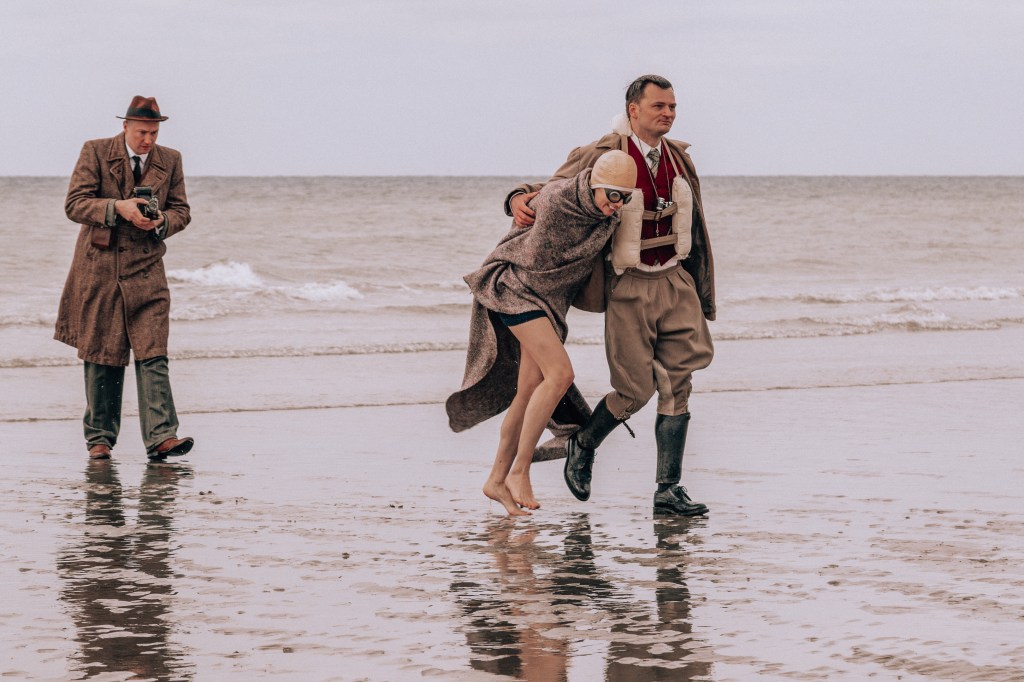
This causes pandemonium in the press, throwing Mercedes’ achievement into significant doubt as the first British woman to swim the channel. Unable to convince the courts of her achievement, she decides the only way to prove it is through a vindication swim.
Writer and director, 23-year-old Elliott Hasler, shows a knack and flare for telling historical drama that belies his years, tackling here themes of female prejudice and misogyny in the 1920s in a story of controversy and uplifting feminist empowerment.

The script skips about with a likeable wit amongst its sentiment that makes an endearing concoction, brought to life by the two leads’ exchanges, like when Harold dramatically tells Mercedes about her forthcoming attempt: “…cold, extreme fatigue…it’s bested the strongest of men,” to which Mercedes dryly replies: “Well, thank God I’m a woman.”
There’s a nice cinephile’s nod to the most famous sea faring film of all, as Harold sings drunkenly into his whiskey glass, “Farewell and Adieu You Fair Spanish Ladies”, made famous in Steven Spielberg’s Jaws.
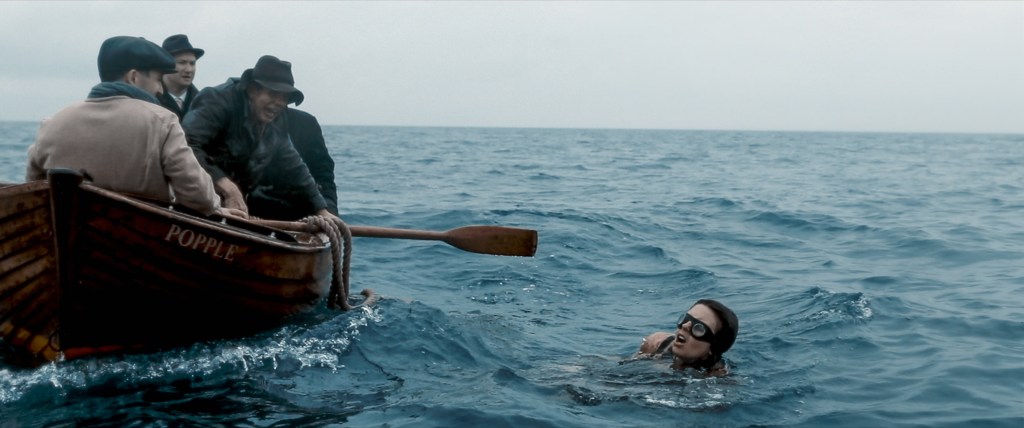
The acting has a hamminess that immerses the audience into the 1920s era, most notably from the actresses, who look to replicate the RP pronunciation of the time, something Mercedes was known to treasure as an anglophile nearly as much as she did her relationship with the sea.
Leading actress debutant Kirsten Callaghan, not only bears a striking resemblance to Mercedes, evidenced in the archive footage obtained from the 1920s, but as a local Brighton girl, she goes the extra mile by swimming all the sea shots herself in a genuine 100 year old swim suit complete with motorcycle goggles and hat.
She’s supported amiably by highly regarded character actor John Locke playing Harold Best, who revels in the opportunity of a leading role having appeared in such major studio movies as The Darkest Hour and more recently Poor Things, bringing a gravitas to the story’s ebbs and flows.
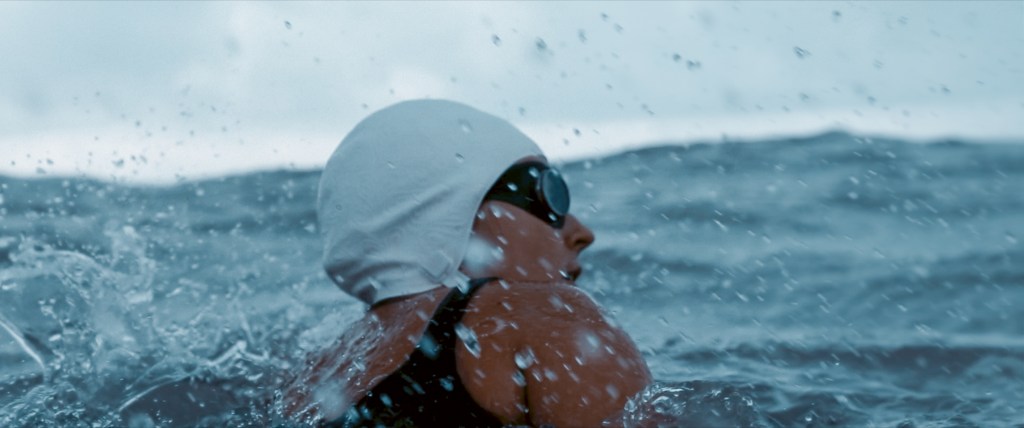
The visuals are stunning, capturing incredible shots of the English coastline, that make a perfect backdrop for the cinematography. The attention to detail in the costumes, vehicles and props make this small independent film look as polished as a high end period drama and completing the film’s ambitiousness is a masterful score by award winning composer Daniel Clive McCallum, which rings out with all the drama of the high seas and oppressive austerity of the time.
This is the director’s second biopic feature based in his home town of Brighton, begging the question, could Elliott Hasler be the Martin Scorsese of Brighton? He’s taken another step on his own Channel swim and it will be down to cinema audiences to judge whether he’s made it.
For cinemas visit @vindicationswimfilm | Linktree.

Film: Vindication Swim
Director: Elliott Hasler
Genre: Drama, Biography, History
Stars: Kirsten Callaghan, John Locke, Victoria Summer
Run time: 1hr 37mins
Rated: PG
Rating: 3/5
 The Language of Film